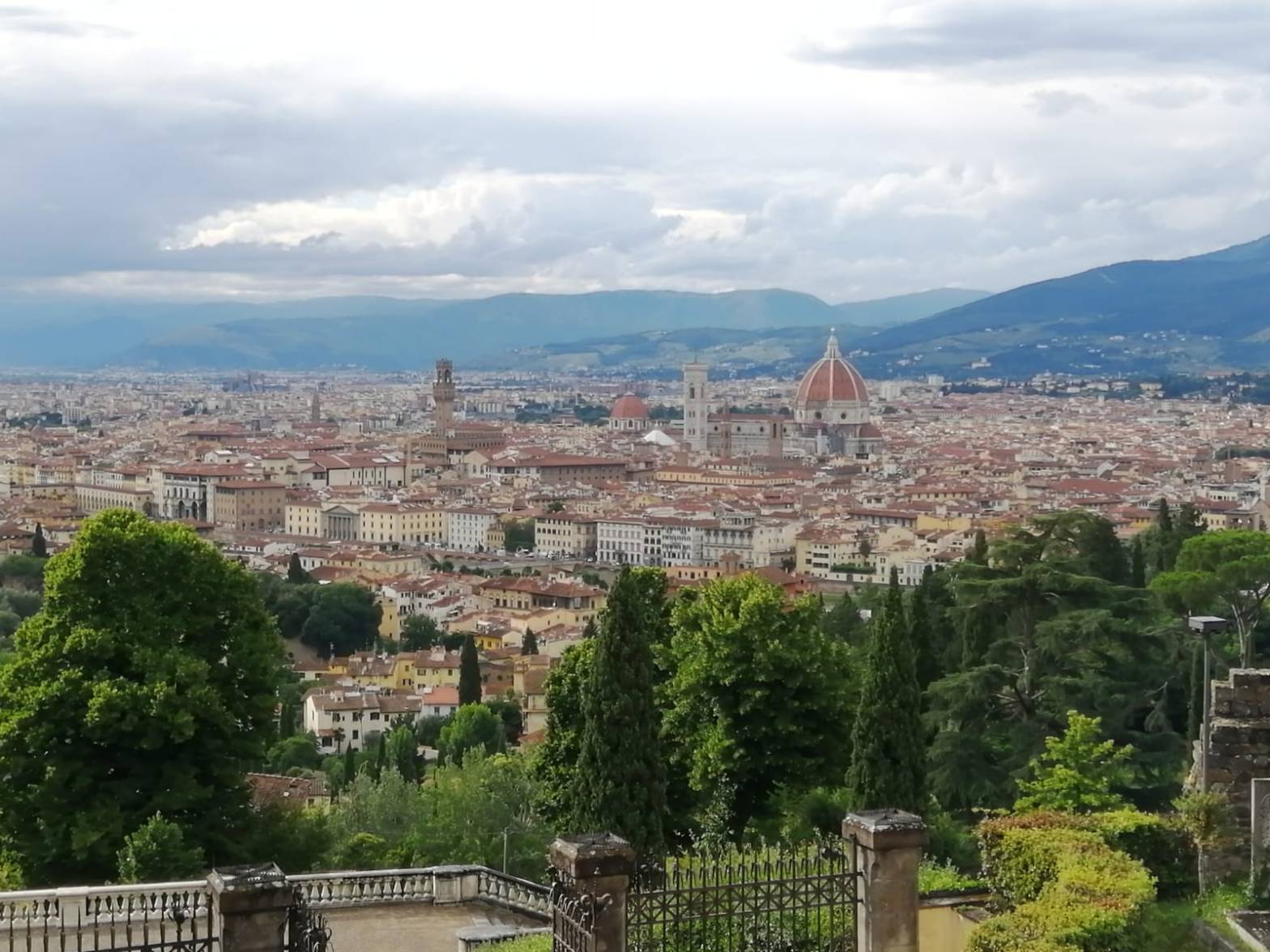
Our trip South from Ferrara to Naples included a few night’s in Tuscany. I’d been to this part of the world before but Mr BND hadn’t and was particularly keen to visit Florence. Knowing what a beautiful city it is, I certainly didn’t have any qualms about going again. So here’s five of our highlights from this magical city. Of course, not everything was open and back to normal, so there’s a few things we didn’t get to do. Which just means another trip will be needed!
1. Boboli Gardens
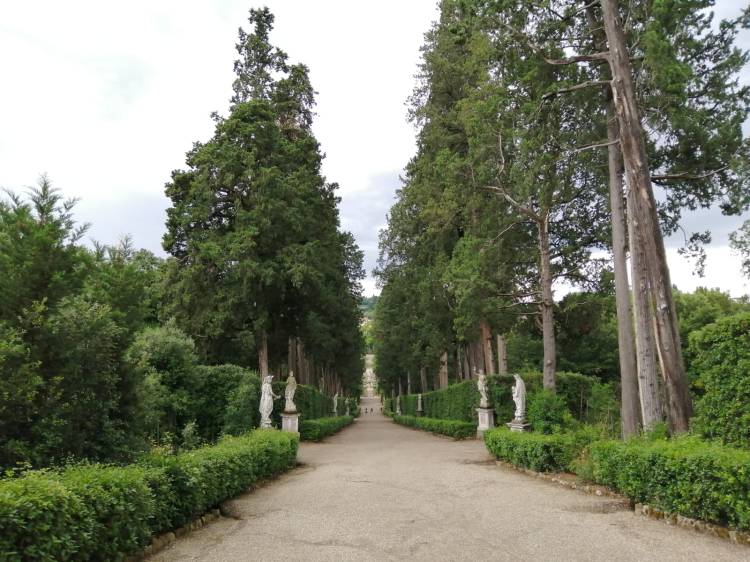
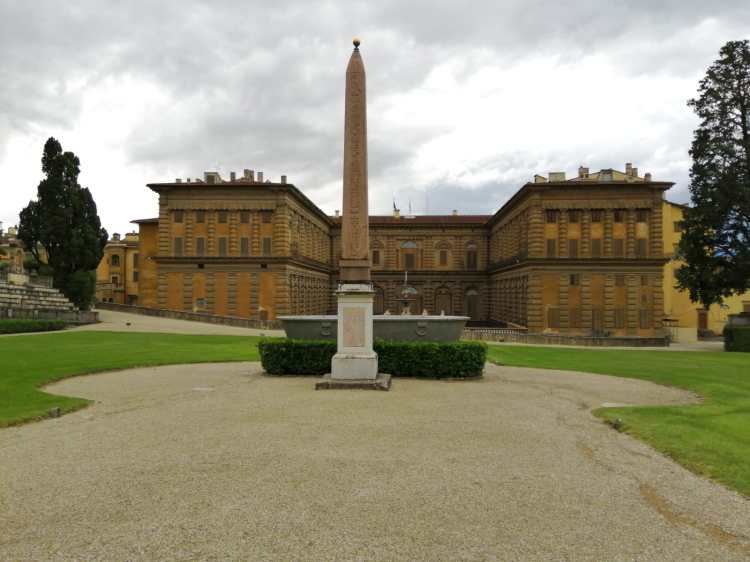
These gardens are a wonderful example of Italian Renaissance gardening, which influenced many other gardens of royal courts throughout the country. They sit behind the Pitti Palace; a huge, imposing building that was built in 1548 for the Pitti family, rivals of the Medici. But in 1549 it was acquired by Cosimo I and Eleonora di Toledo where it became the official residence of Florence’s rulers up until 1919. The gardens were begun in 1549 and designed by Niccolo Pericoli, known as Tribolo and encompass a vast area of the hillside that Florence is nestled at the foot of.
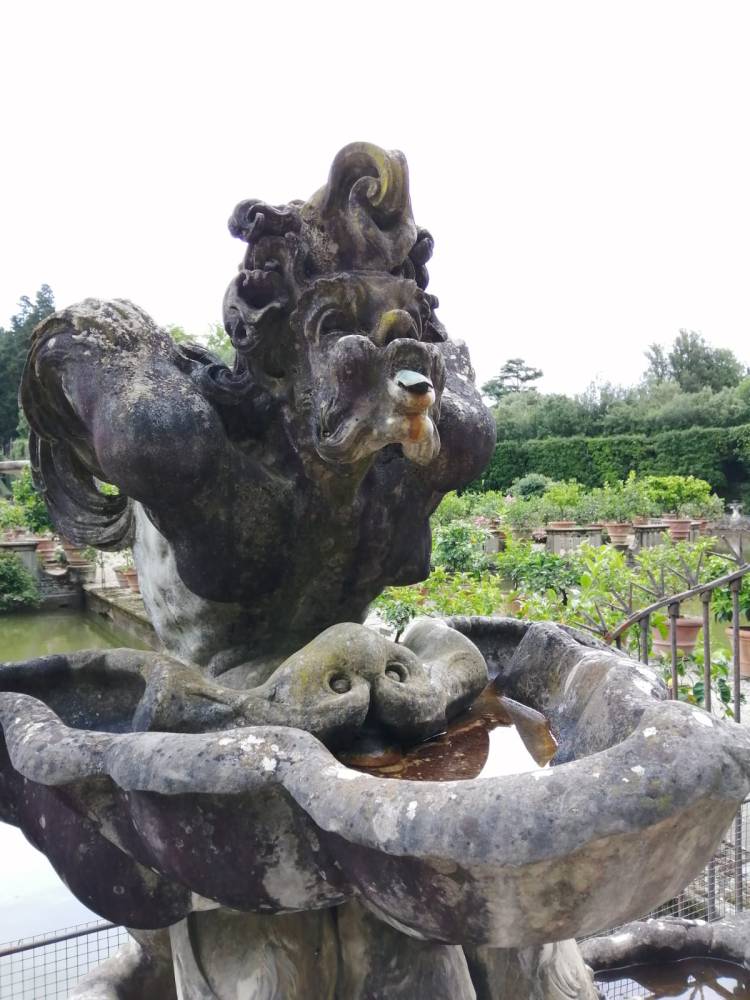
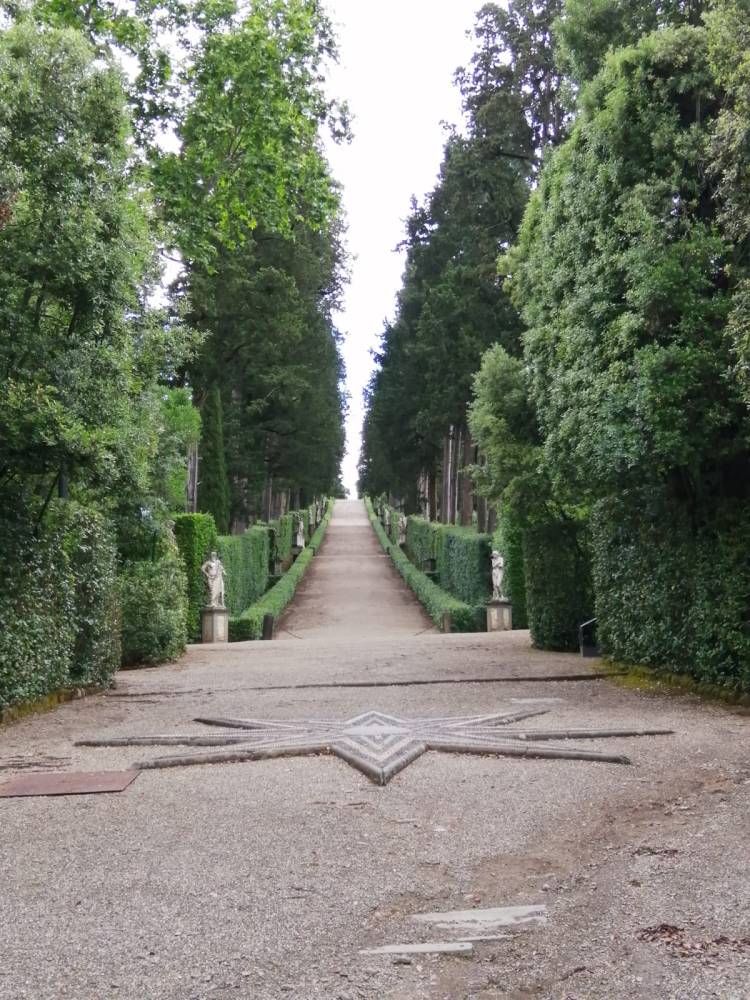
We loved wandering the wide avenues, meandering paths and regimented formal gardens. The wide avenue down the middle which is lined with Cypress trees makes for a good workout with it’s steep gradient and is wonderfully juxtaposed by the smaller, winding paths that disappear off to secret gardens filled with statues and fountains. The gardens are also adorned with grottos, the most famous of which is by Bernardo Bountalenti and two huge fountains; Fountain of Neptune and Fountain of the Ocean. We walked up the hill to the 18th Century Kaffeehaus, which unfortunately was not the coffee house we had in mind! Usually, on any given day in June the grounds, although large, would be teeming with tourists. They certainly were when I visited exactly nine years ago. So the most vocalised thought throughout our visit to Florence was, “I can’t believe how quiet it is. We’re so lucky to see it like this.”
2. Chiesa di San Minitato al Monte
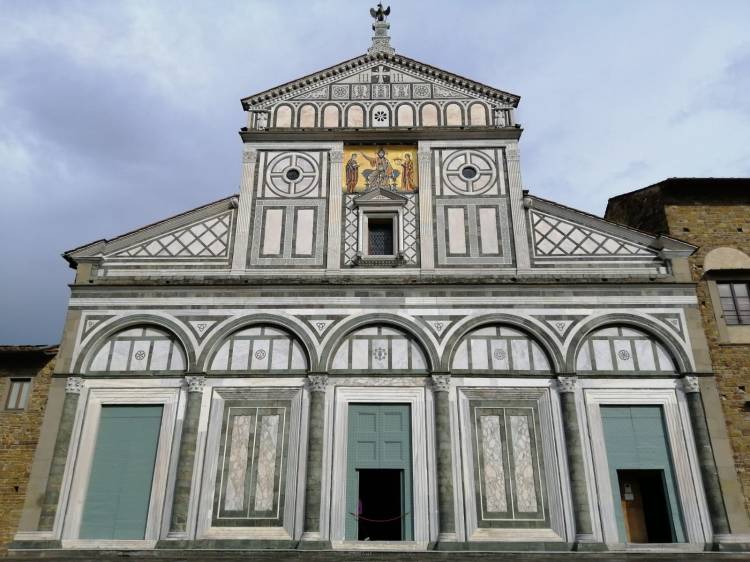
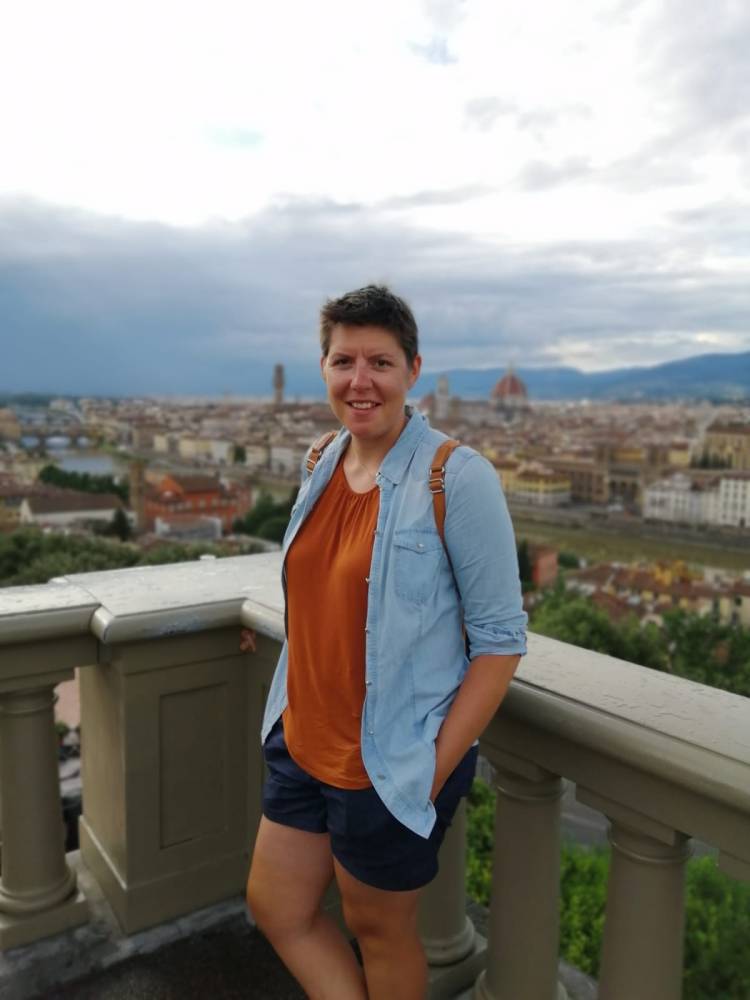
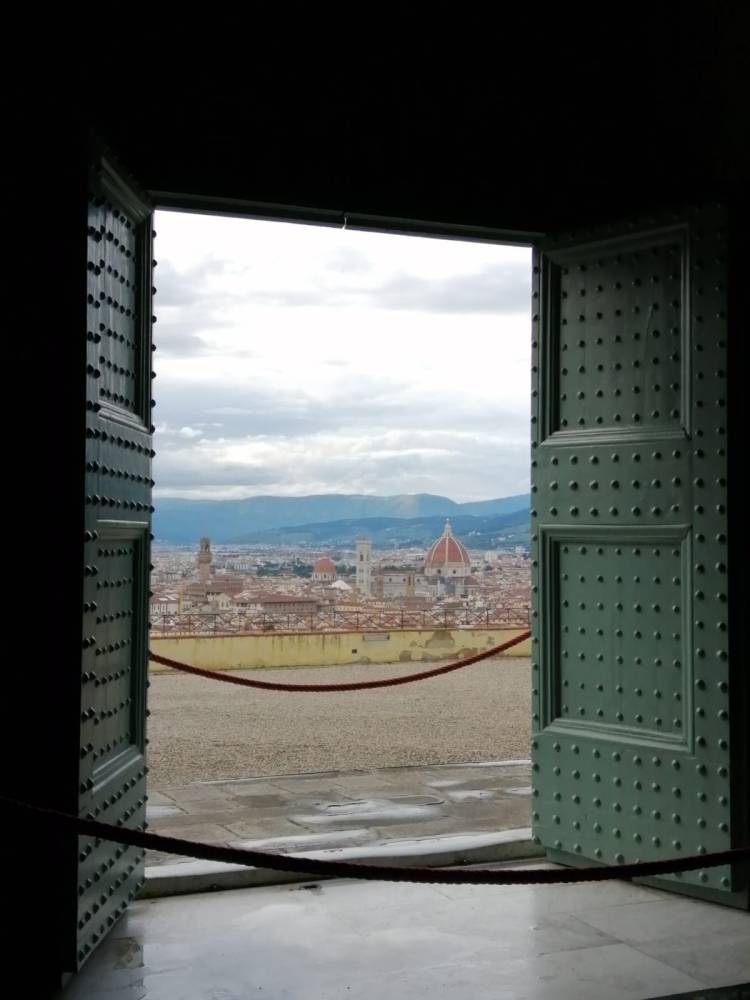
Of all the places in the world I’ve been lucky enough to visit, this little church is right up there in the top ten. You just can’t help but fall in love with it. Take a walk along the south side of the Arno and follow signs to Piazzale Michelangelo, a popular viewpoint over the city. The path either winds up the hill front past fountains and grottos, criss-crossing the road, or you can pop out through the old city walls and follow a cobbled path and steps that go straight up the hill. Both routes take you to Piazzale Michelangelo, a wide piazza, usually full of tacky souvenir stands and tourists trying to get that quintessential shot of the Florentine skyline. There’s also the towering bronze copy of Michelangelo’s David standing guard in the centre. However, don’t stop here, follow the road round and climb a few more steps up to the gorgeous church that sits proudly on the hilltop in an aptly celestial position. The extra effort will be duly rewarded. The exterior is a typical Tuscan geometric design of pristine green and white marble, topped with a statue of an eagle carrying a bale of cloth in homage to the guild of wool importers who financed the church in the middle ages. There’s also the beautiful 13th century mosaic inlay depicting Christ, the Virgin and St Minias which glistens in the sun. St Minias was a rich Armenian merchant who was beheaded for his beliefs in the 3rd century. Legend has it he either flew up from the city or walked carrying his severed head to his resting place here. The church dates from the 11th century and was built over his shrine.
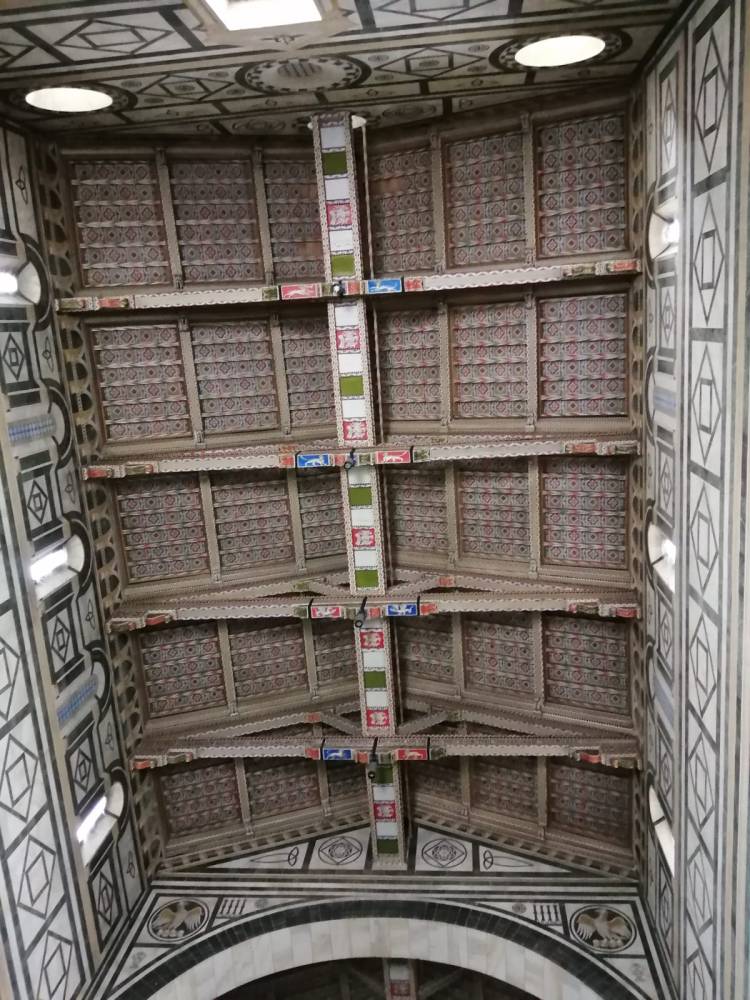
As we climbed up to the facade we were awe-struck at how beautiful this little church is but once you turn around and take in the views from this vantage point you’ll be blown away. The panorama of the city below is just stunning and worth every step. The inside of the church is equally as beautiful, with more glistening mosaics and incredible frescoes dating from 1387. Before we begun the walk back down we took in the peacefulness and tranquility that this corner of the city offered.
3. David
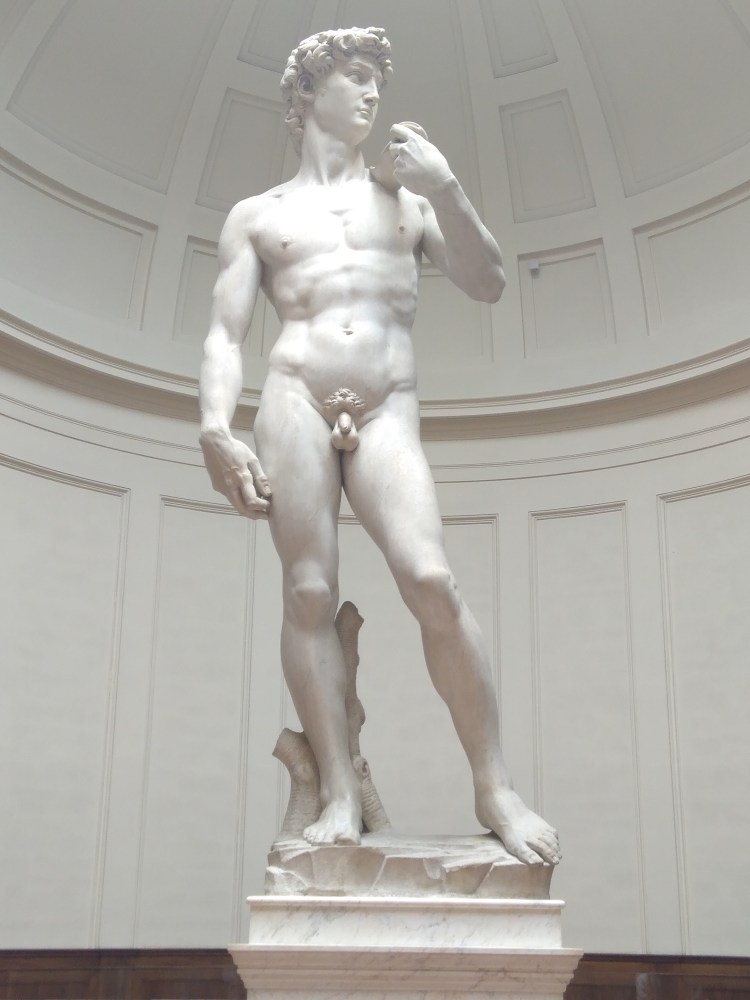
To truly appreciate the medium of sculpture there can be no other better example than that of Michelangelo’s David. Housed in the Galleria dell’Accademia, Europe’s first art school, the 17 foot tall sculpture of the biblical character is definitely the star of the show. Created in 1502-1504 from an abandoned chunk of marble in the cathedral’s courtyard, this giant sculpture catapulted Michelangelo into the limelight at the age of 29. It was originally in the Piazza della Signoria in front of the Palazzo Vecchio until 1873 where a copy now stands. With few other visitors we were able to really study the piece of art from all sides and sit and marvel at the astounding craftsmanship which resulted in every single detail being beautifully created. Well almost….his right hand is proportionally bigger than the rest of his body causing speculation as to why. Some say it’s a nod to David’s nickname, manu fortis, strong hand. Or it could be due to the fact that originally he was destined to be placed high up on Florence’s cathedral. Whichever it is it’s incredible to think he was created from one block of marble over 500 hundred years ago.
4. Giotto’s Bell Tower
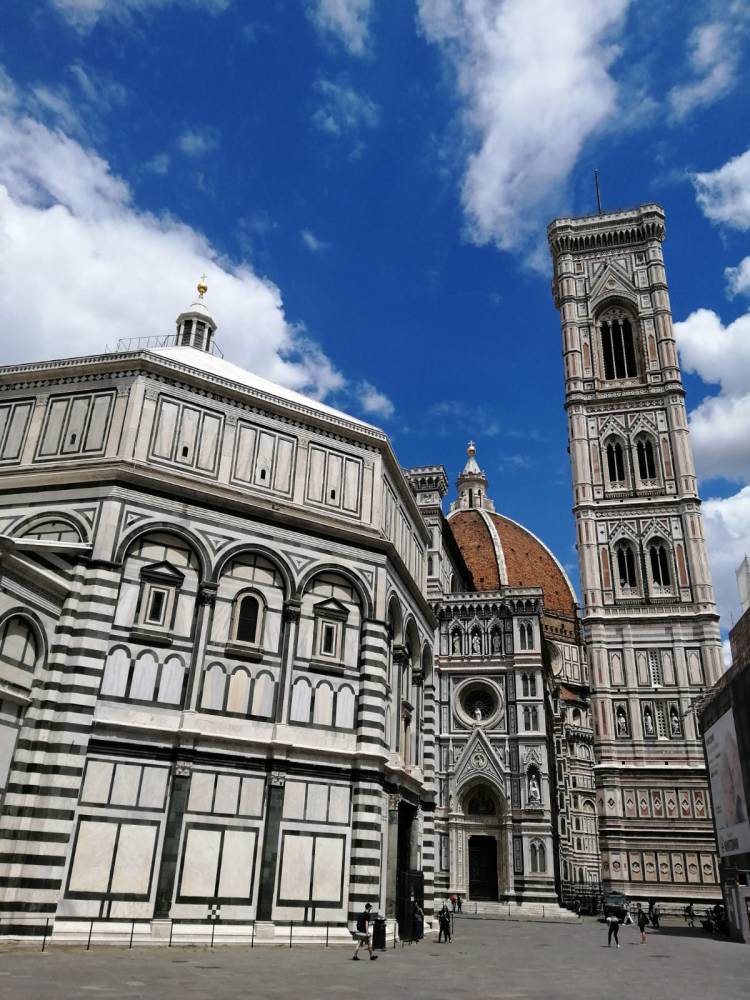
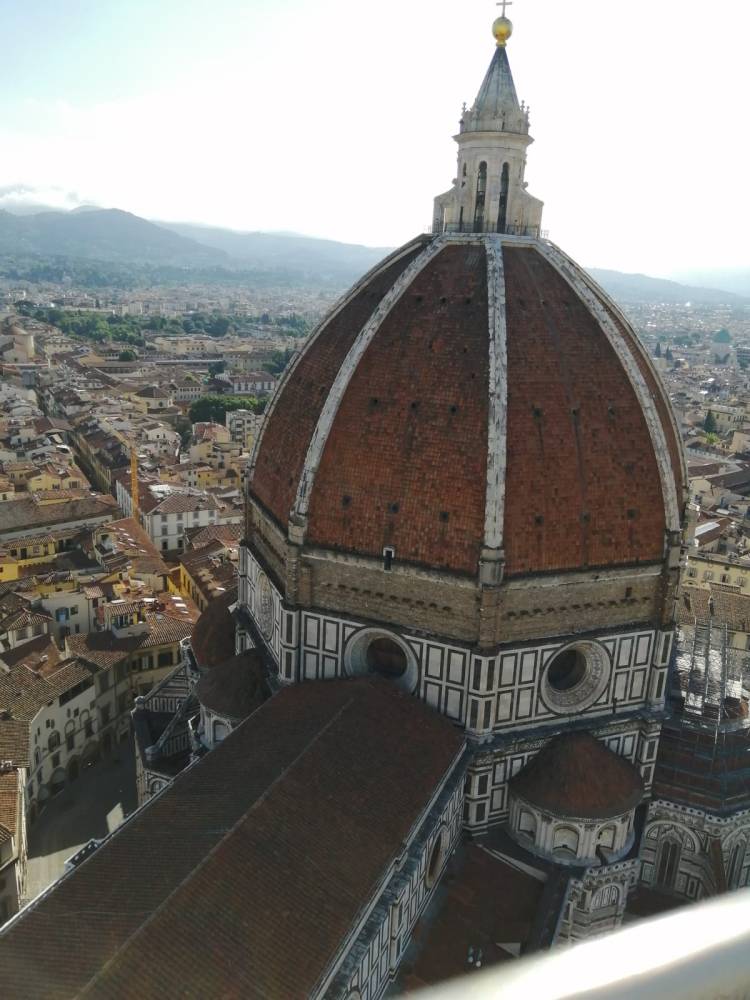
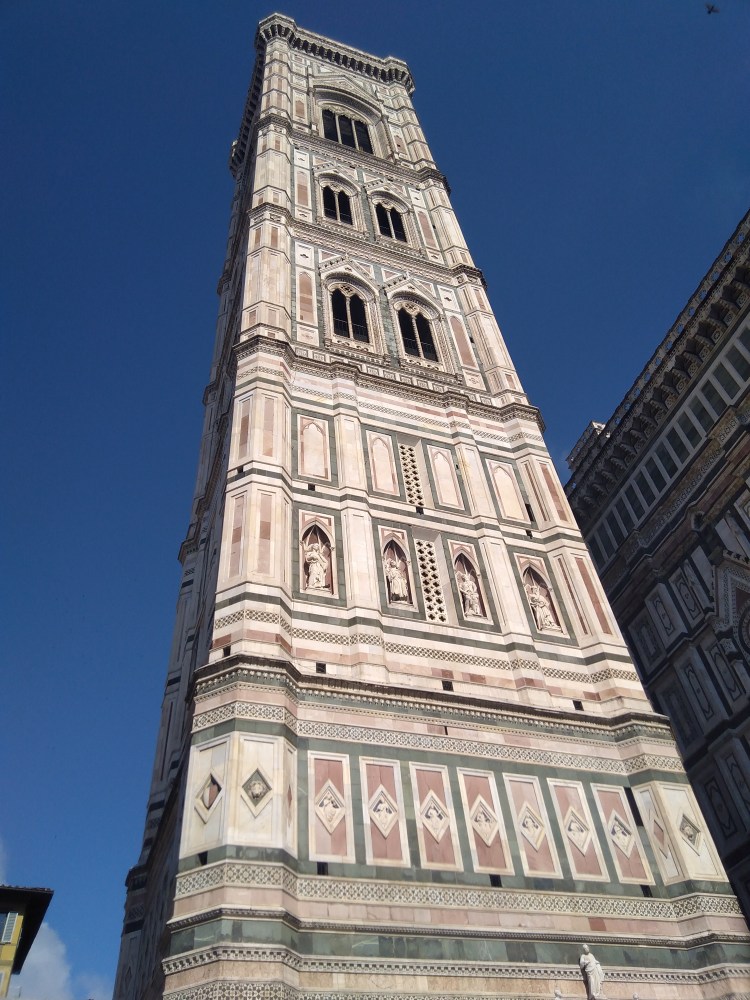
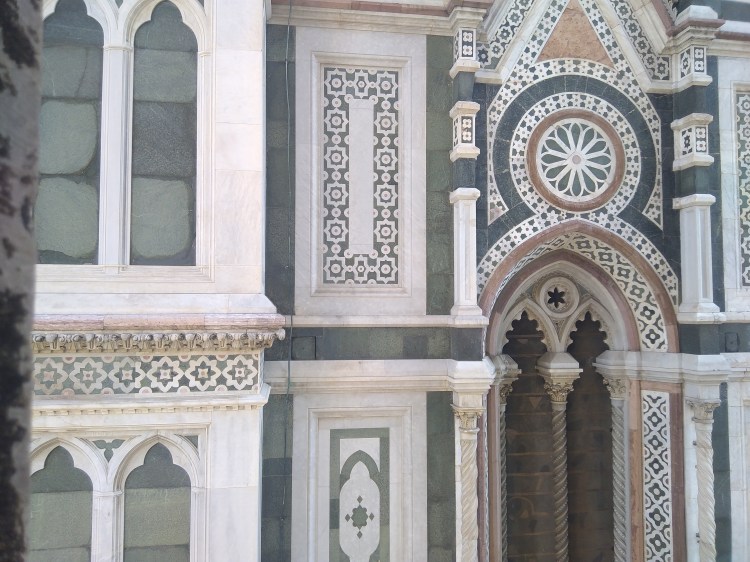
Florence’s iconic symbol and most widely recognised building is it’s cathedral, or Duomo. Work began on this incredible building in 1296 and it’s most famous feature is the terracotta tiled dome designed by Brunelleschi and built between 1420 and 1436. It was the largest dome of it’s kind to be built without scaffolding which only makes the great feat even more impressive! Alongside the cathedral is the Campanile, or bell tower. It was designed by Giotto in 1334 and completed after his death. The gorgeous pink, green and white marble facade of the cathedral was added later to match the bell tower. Opposite the main entrance to the cathedral is the Baptistry of San Giovanni, a beautiful octagonal structure dating back to the 4th century.
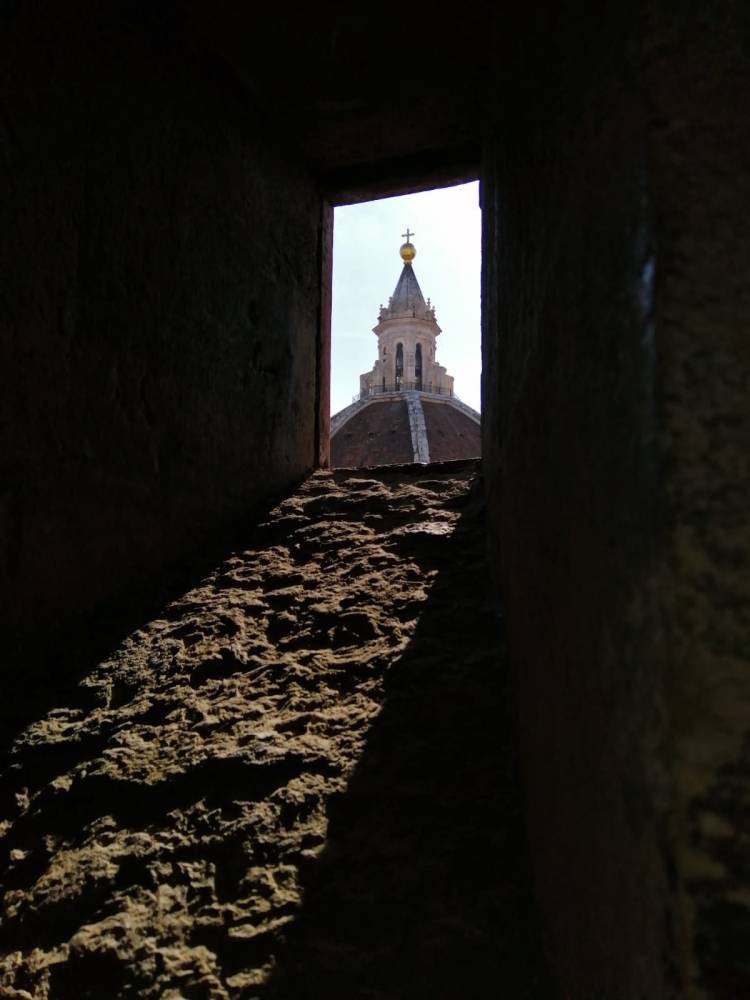
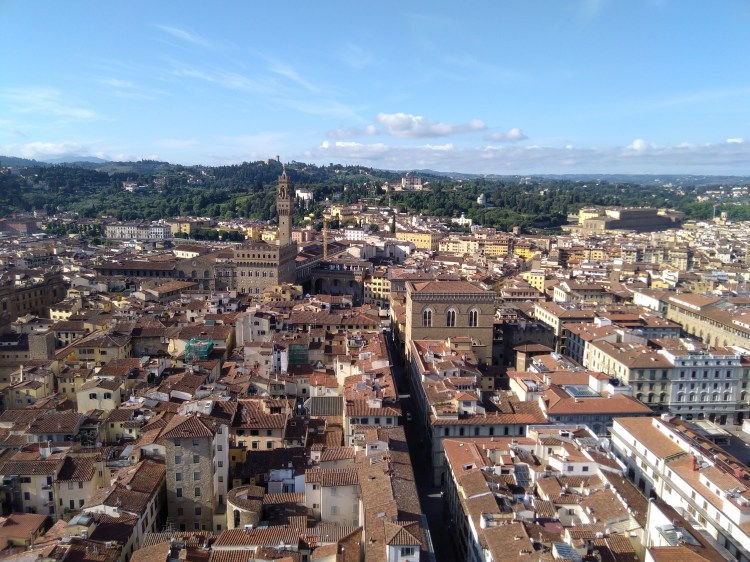
As we crossed the Ponte Vecchio and wound our way through the streets we went under the Uffizi gallery, pass the Palazzo Vecchio (which is one of my favourite buildings but was unfortunately still closed), through Piazza della Signoria where all of a sudden we turned a corner and there, seeming to rise up from nowhere is the beautiful duomo; an absolute feast for the eyes. The soft pastel colours of the intricate, geometric facade contrasted beautifully against the bright orange of the tiled roof. We found ourselves just standing mouths agape, drinking it all in. We would have loved to have gone up the dome but it also hadn’t reopened yet so we settled for an ascent of the bell tower which was equally as beautiful, if not more so as the imposing dome was so close you felt you could almost reach out and touch it. There’s 414 steps up to the top floor of the bell tower with varying views from different levels on the way up but every step is worth it as the views are incredible. We were very fortunate to have the top viewing area to ourselves, resulting in a magic few moments.
5. Food and drink
Obviously one of our highlight’s of Florence had to be food orientated. We weren’t disappointed as you sometimes can be in a tourist place. We had two nights in the city; for dinner the first night we found a fabulous little restaurant a friend had recommended called Osteria Cinghiale Bianco, or White Boar which is located in a 13th century tower in the heart of medieval Florence, not far from the Ponte Vecchio. It’s a family run business that’s been going since 1984 with Massimo Masselli at the helm. We had a delicious meal of local dishes, accompanied by the house wine served in earthenware jugs embellished with a white boar, whilst sat in the original part of the tower. Perfect!
The second night we decided to try somewhere nearer our hotel, just outside of the city walls, the otherside of Porta Romagna. We’d seen a couple of lively looking places on the walk back the night before so popped down to try one. Fate played a part as we’d only planned to have a drink at Antica Porta, but when the waitress bought us place settings and cutlery we decided to be typically British and just go with it! I’m so pleased we did! It was a great little find, we were outside on the busy street and were entertained by the many locals coming to collect their pizza’s from the wood fired pizza oven inside. Both our meals were excellent and I had one of the best tiramisus ever! Except actually I keep saying that every time because I love that dessert so much!
From there is was a short but very steep walk back to our hotel, Torre dei Lari Residenza d’Epoca. This was a beautiful villa that began life as a sighting tower in the late 12th century, later becoming a summer palace for Florentine families to escape the heat of the city. Lorenzo Strozzi bought it and when he married Maria Simona Macheavelli, neice of the famous writer Niccolo Macheavelli in 1614 he developed it in to the luxury villa it is today. Our room was a large, high ceiling affair with beautiful old furniture and a lovely modern bathroom. There was a beautiful pool and a lovely garden and breakfast was superb! So whilst it wasn’t that central, it was perfect to escape to and relax.
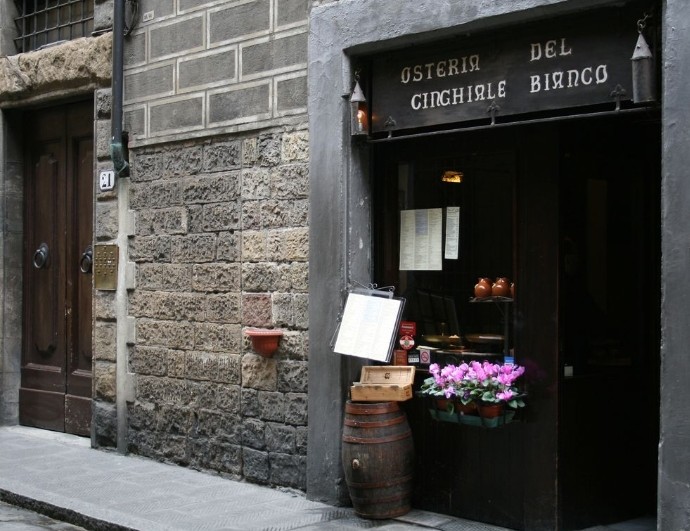
Cinghiale Bianco 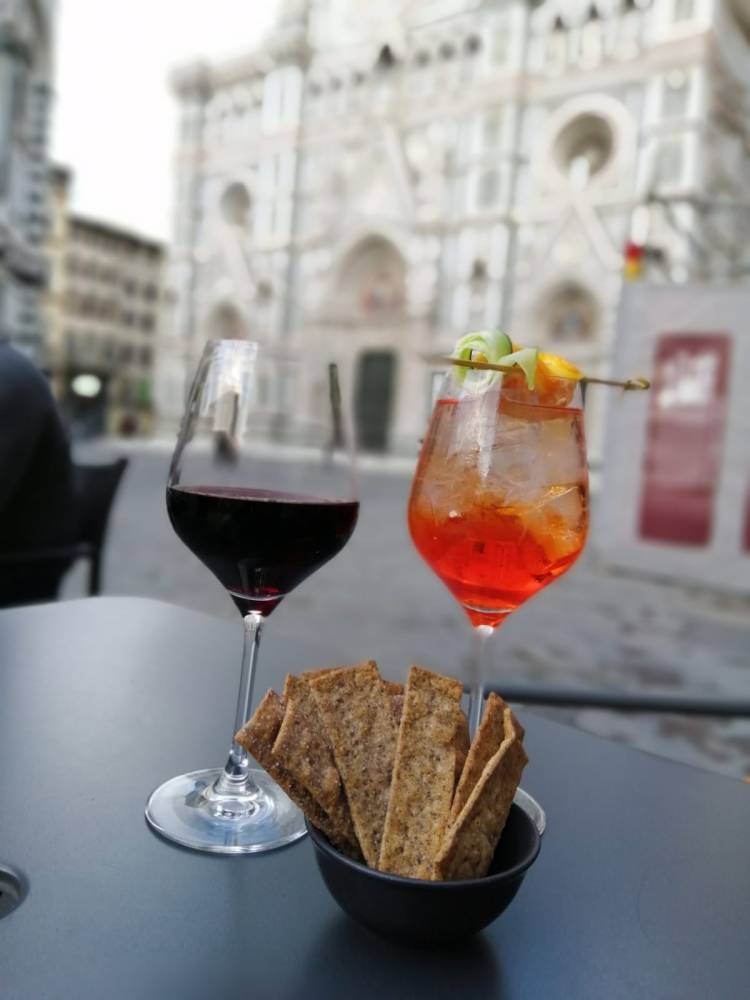
Aperitivo in front of the Duomo 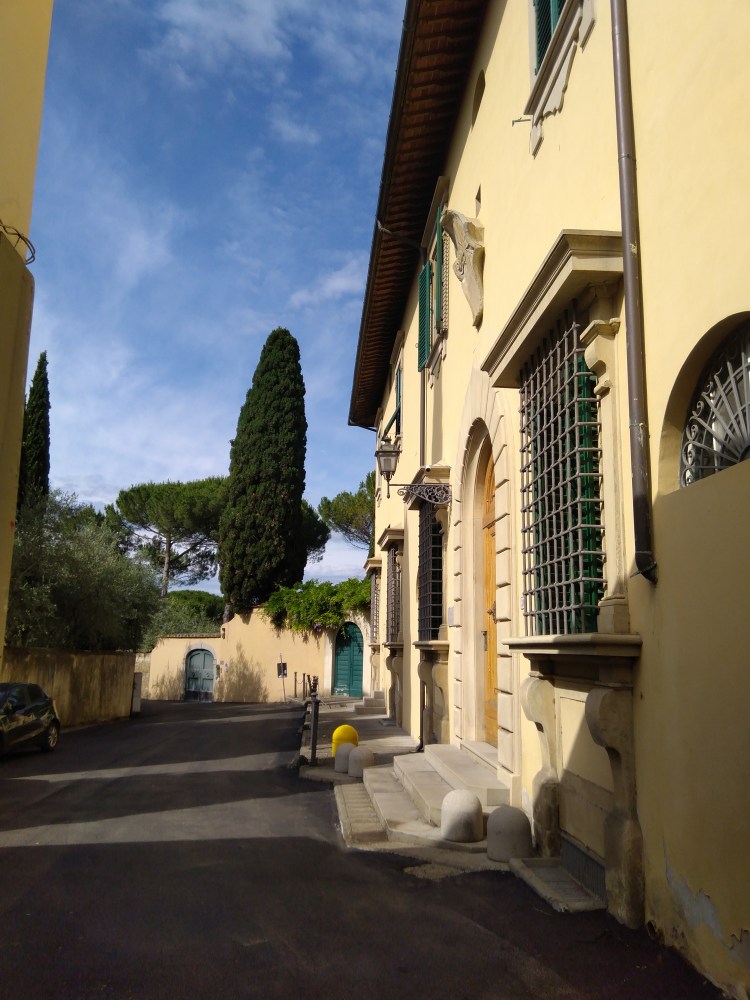
Hotel Front 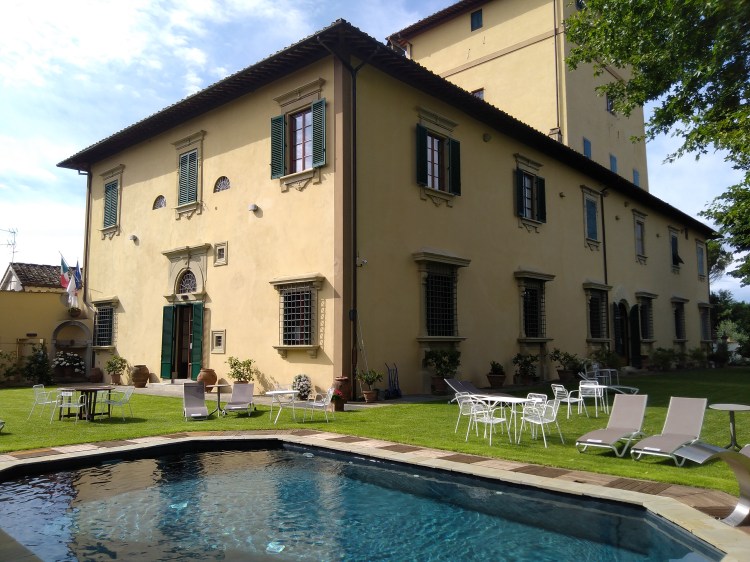
The Torre dei Lari Residenza d’epoca 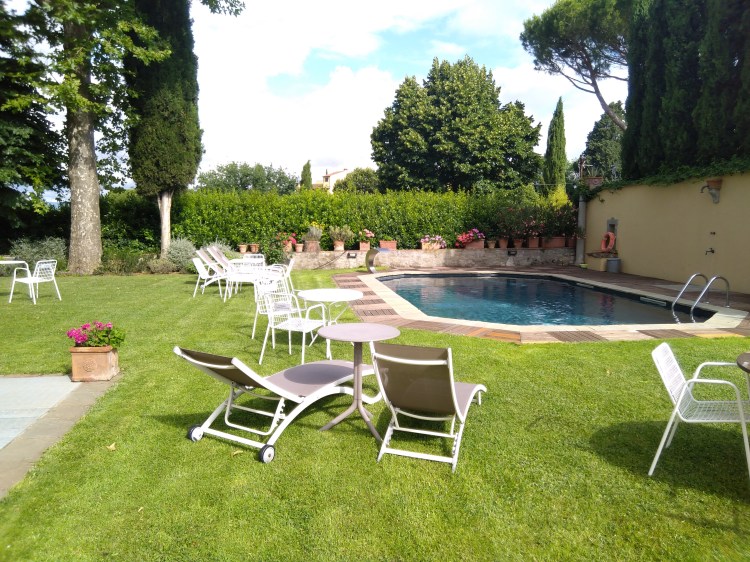
The pool 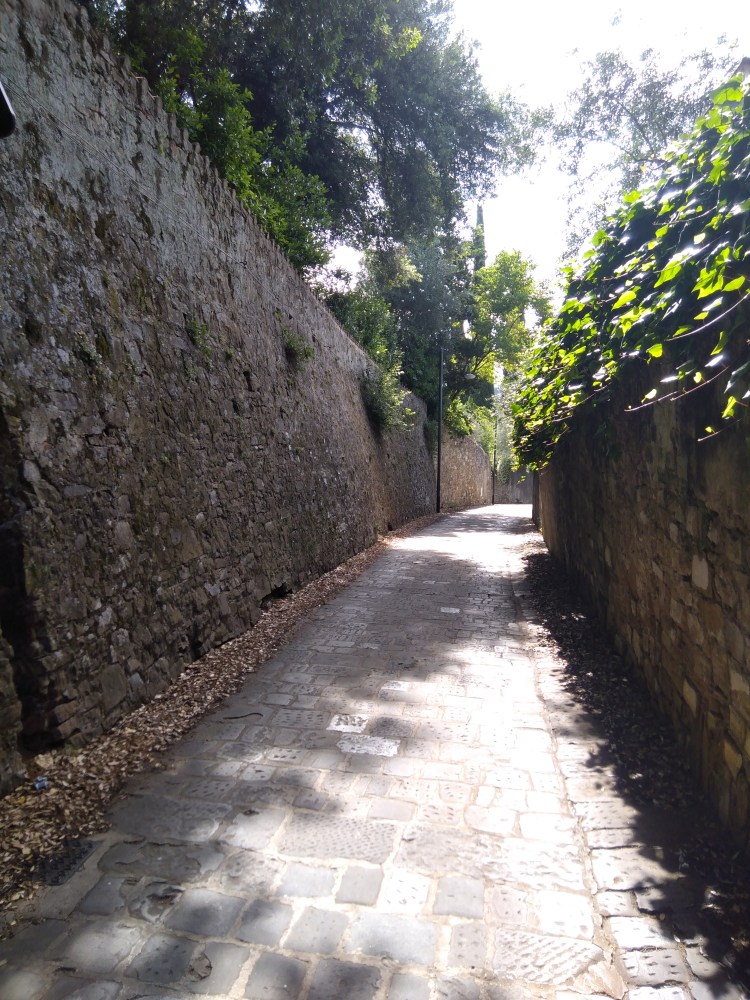
The road to the hotel 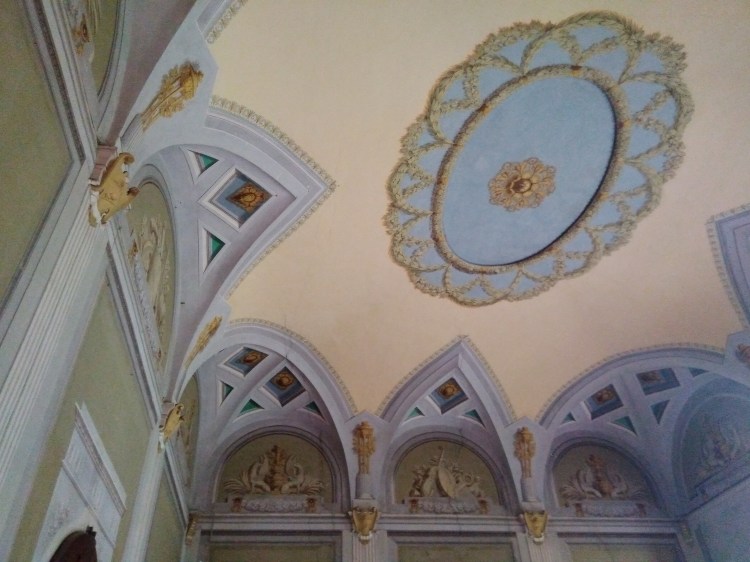
A ceiling inside the hotel
Florence is without a doubt one of my favourite places in the world and to share it with so few other people was very special.
Links
- Our Hotel – Torre dei Lari Residenza d’Epoca
- Restaurants:
 Brand New Day