Everyone’s heard of Amalfi and Sorrento, the gorgeous towns that cling to the cliffs above a beautiful blue sea to the south of Naples. Everyone’s also heard of Pompei and Herculaneum too, the wonderful ancient sites that we’re able to walk around and learn about our previous civilisations. All are places that, justifiably, attract millions of visitors each year (don’t get me wrong we loved our trip to Sorrento a few weeks ago, you can read about it here and we are yet to explore Amalfi and Positano) but it’s also nice to get off the beaten track on occasion. So that being said what if you could combine the two? Take the best bits of the coastal towns and add a slice of history as well. If this sounds up you’re street then a visit to Paestum is a must.
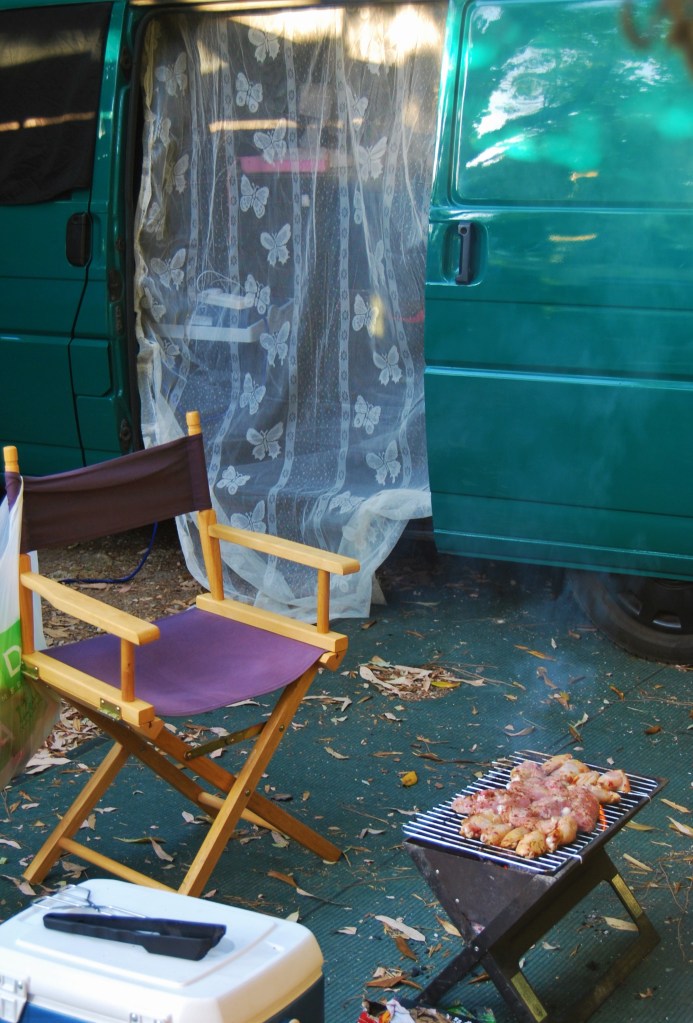
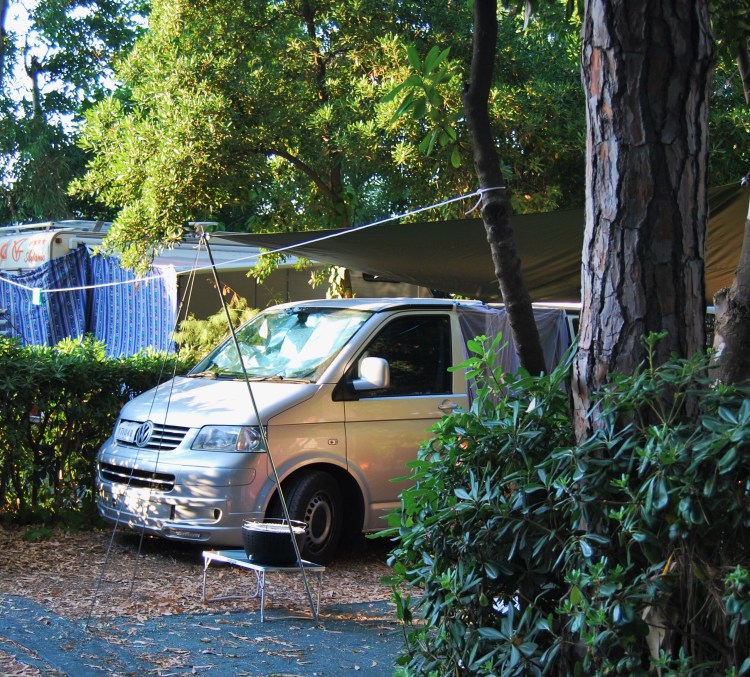
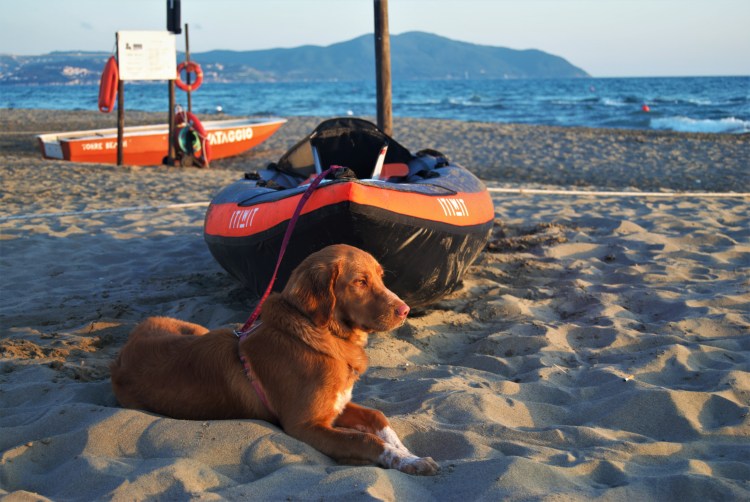
Paestum is about an hour down the coast from Salerno, whilst it hasn’t got the cliffs of the Sorrentine peninsula, it does have the beaches and history aplenty. We were joined by some fellow VW campervanners for the weekend; friend’s Liam and Micha and their five month old puppy called Rhea. Our destination was Camping Villagio dei Pini, camping village of pines, which needless to say, was nestled amongst a beautiful pine forest, offering blissful relief from the hot sun. The campsite is quite large with a shop, restaurant and cafe and offers pitches for tents, caravans, motor homes as well as bungalows to rent. It was already quite busy, with many families already set up for the weekend. It’s main draw is it’s location, right on the beach and walking distance to everything in the local village and the historical ruins.
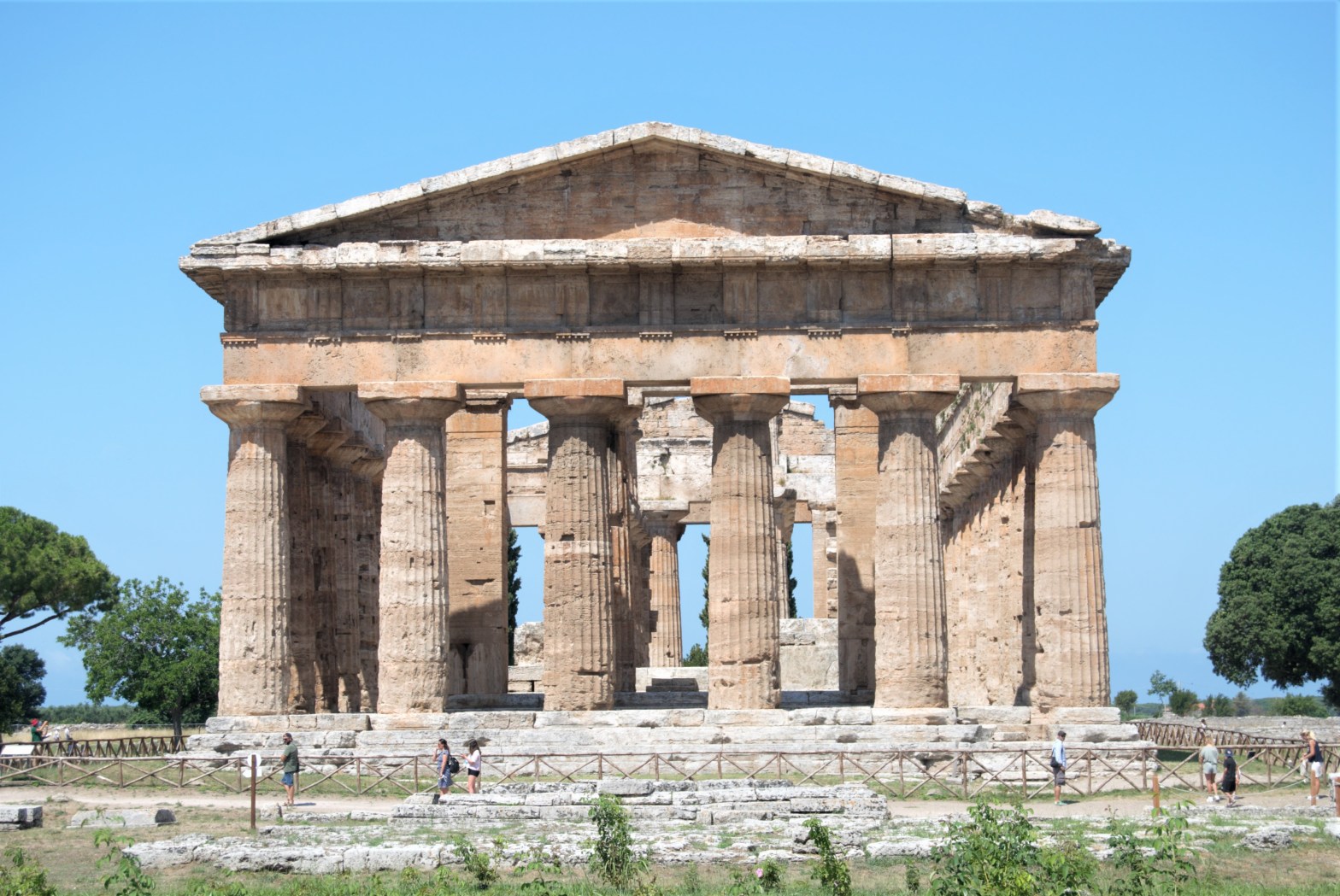
Saturday morning was spent exploring the beautiful Archaeological Park of Paestum which has been a UNESCO World Heritage site since 1998. The site dates back to 600 BC when Greek settlers founded the city and called it Poseidonia, the temples and walls were attributed to this era but the site was developed hugely by the Romans who occupied the city in 273 BC and renamed it Paestum. Remains of the city they created can be seen today, with many buildings, spas, a forum and amphitheatre all in evidence. The city was abandoned between 700 and 900 AD until it was rediscovered by archaeologists centuries later. There’s three main temples that tower above the rest of the crumbled ruins and are surprisingly still very much intact; an astonishing fact when you consider they’re two and half thousand years old! The largest is the Temple of Neptune built around 460 BC, which is accompanied by the Basilica, the oldest of the temples that was built from 560 to 520 BC. Due to it’s different construction and layout, early archaeologists called it a basilica but today it’s believed to have been another temple dedicated to Hera, the wife of Zeus. The third temple sits at the far end of the site on a small hill that was artificially expanded at the time of construction in 500 BC and was dedicated to the Greek god Athena, later to be Minnerva under the Roman rule. The architecture of these temples was so influential in the seventeenth and eighteenth centuries when many of the European buildings we know so well were being designed; in particular, the use of Doric and Ionic columns.
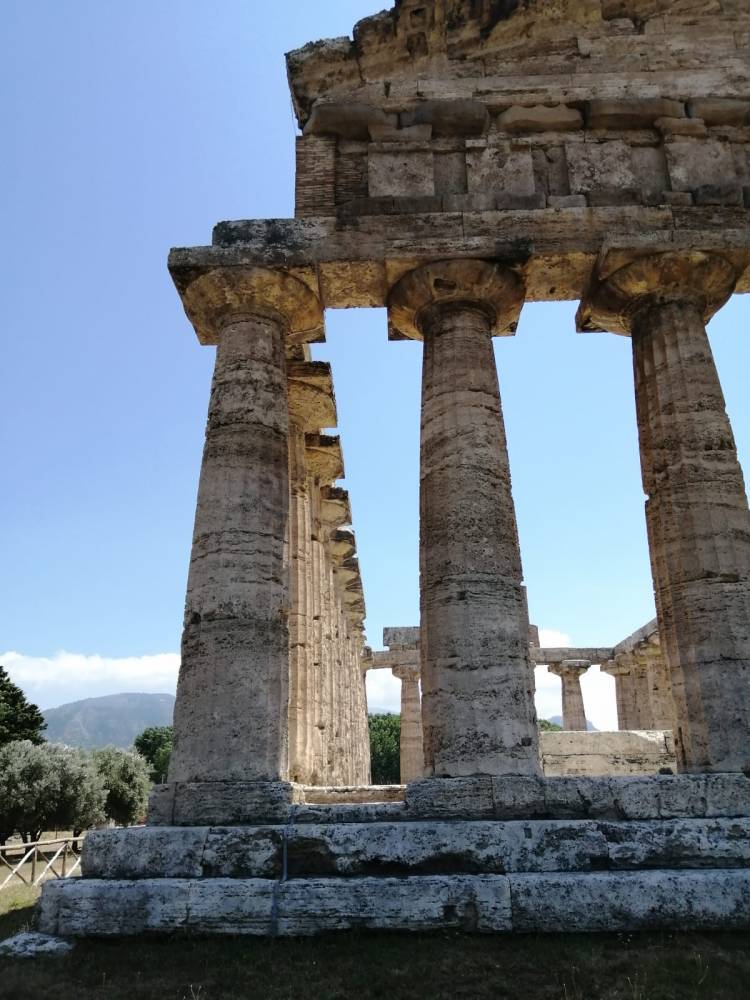
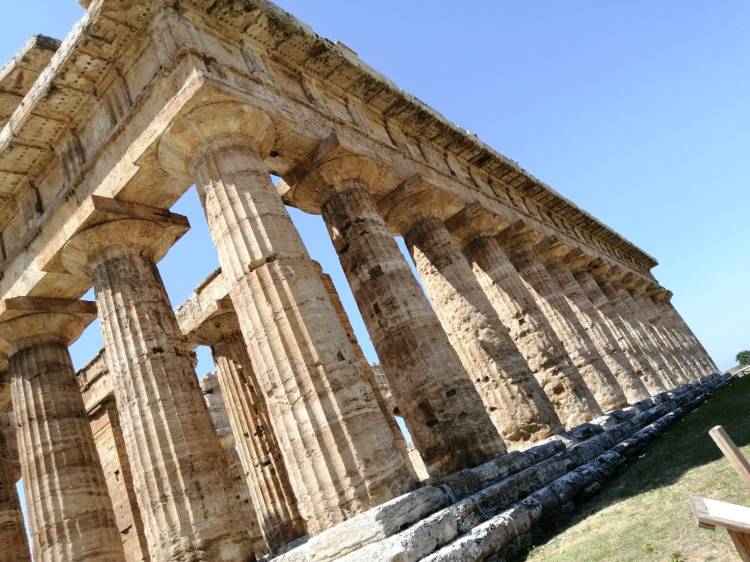
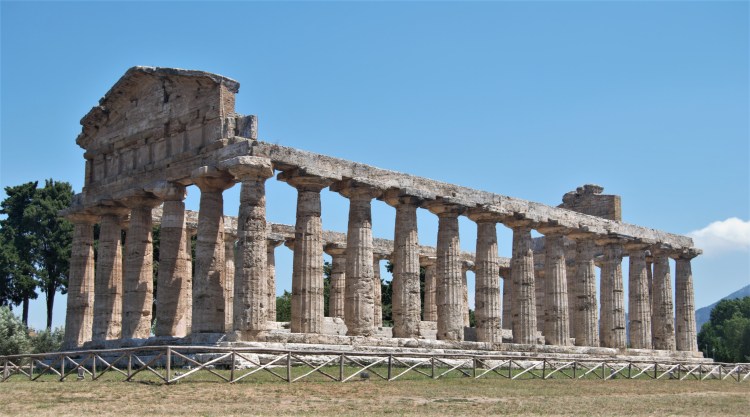
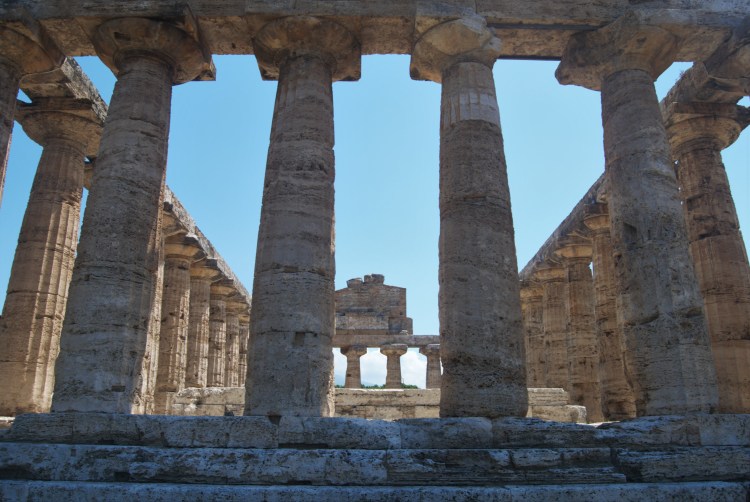
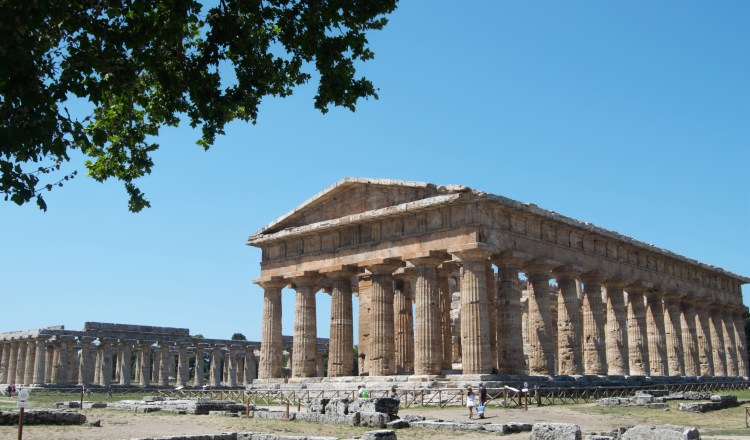
We spent a very pleasant couple of hours walking around the site. I’d highly recommend downloading the free app which you can use as an audio guide to learn about most of the buildings as you go along. The ticket also includes entry in to the museum down the road where many of the artefacts are housed. We returned the following morning to visit the museum and are really pleased we did, it helps add detail to the site’s visit. We walked back towards the village, campsite and next destination.
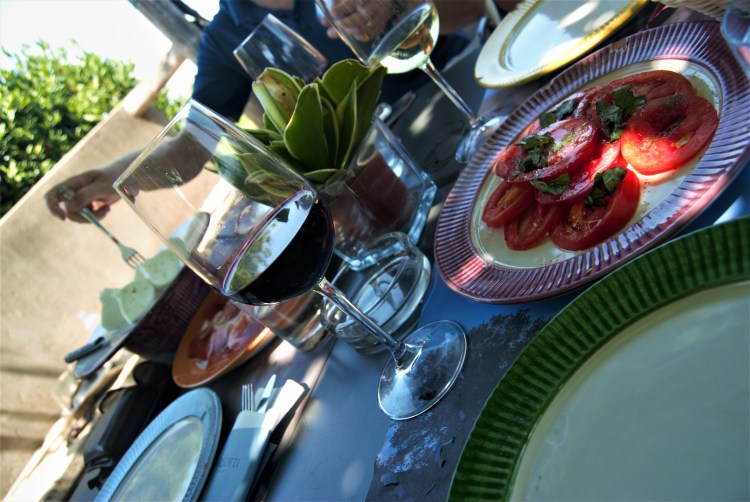
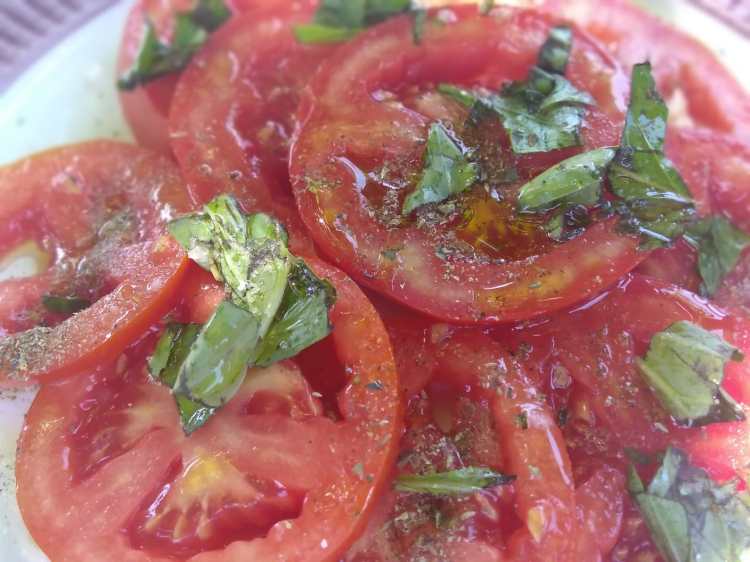
We’d been recommended to visit the local Buffalo farm and dairy called Barlotti, a company that had been operating since the early 1900’s; we’re so pleased we did! The bustling farm yard was a hive of activity with boxes of mozzarella being loaded on to delivery vans, locals parking up and forming the typical Italian ‘queue’ to collect their fresh mozzarella from the small shop and tourists visiting the restaurant and coffee shop. We had a table booked for lunch outside on the terrace, but as we were early we had a walk around the farm to see the animals that were responsible for the delicious white balls of cheese that this area is so well known for. It was wonderful to see the buffaloes themselves, particularly the calves who were as inquisitive towards us (especially Rhea) as we were to them. The restaurant and terrace is right next to the cattle pens so as you’re sat enjoying your meal, the occasional acrid buffalo smell drifts across to assault your nostrils, acting as a constant reminder of how fresh the dairy products are. Under the beautiful vine covered pergola we demolished a delicious lunch; we shared antipasti consisting of local meats, fresh tomatoes and a 1kg ball of mozzarella served in a special dish and cut at the table. It was absolutely divine. It has a creamy, yoghurty taste which I’ve never encountered in mozzarella back at home and as your knife slices through it, a delicious creamy liquid oozes out which cries out to be mopped up by a chunk of bread. We were in heaven! I then had a delicious ricotta filled ravioli followed by their pear and ricotta buffalo gelato.
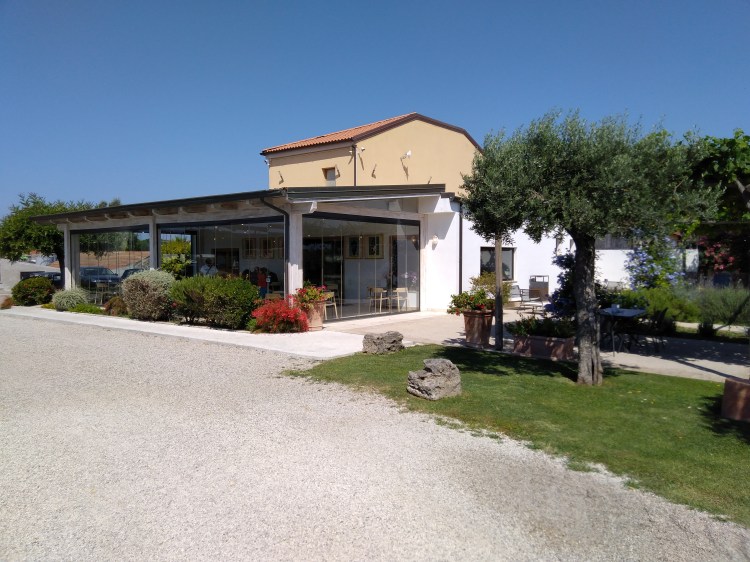
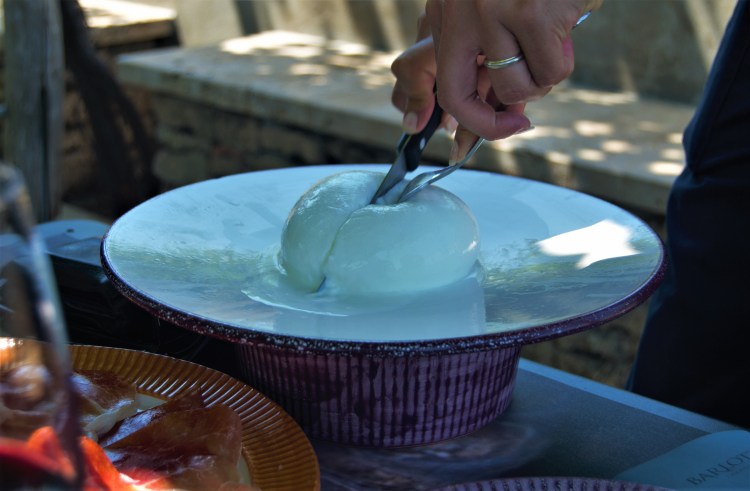
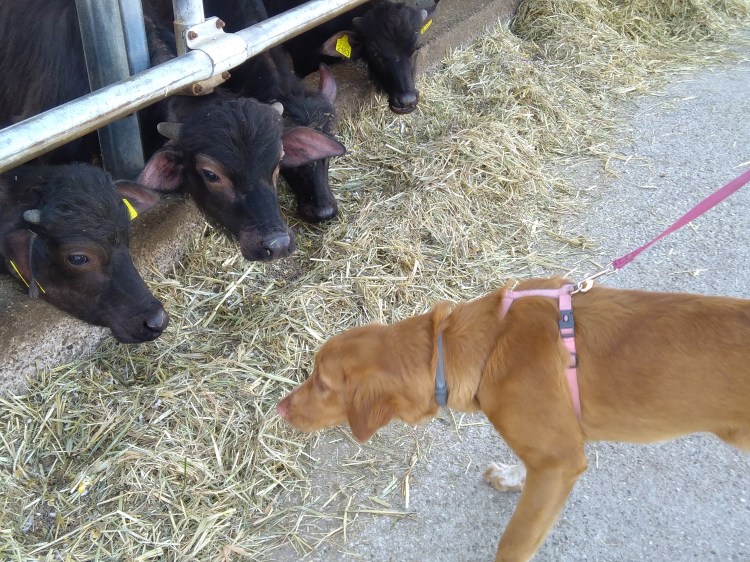
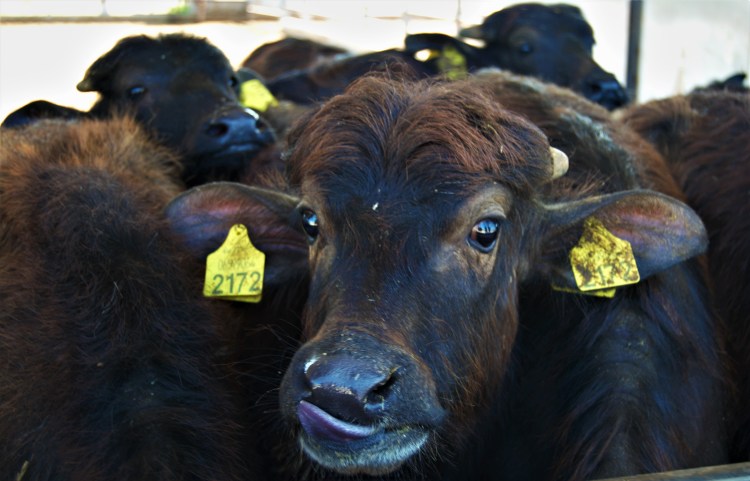
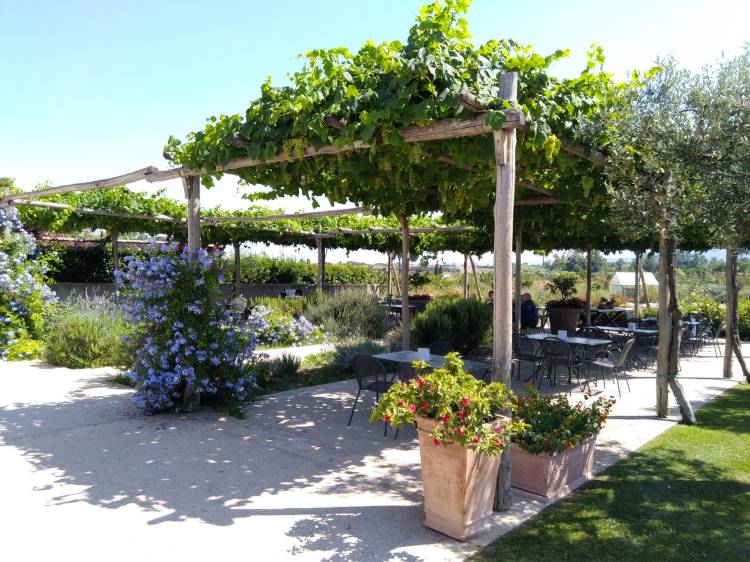
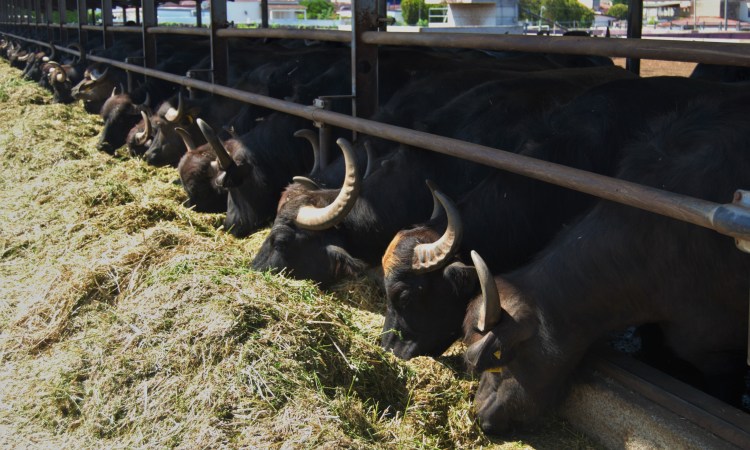
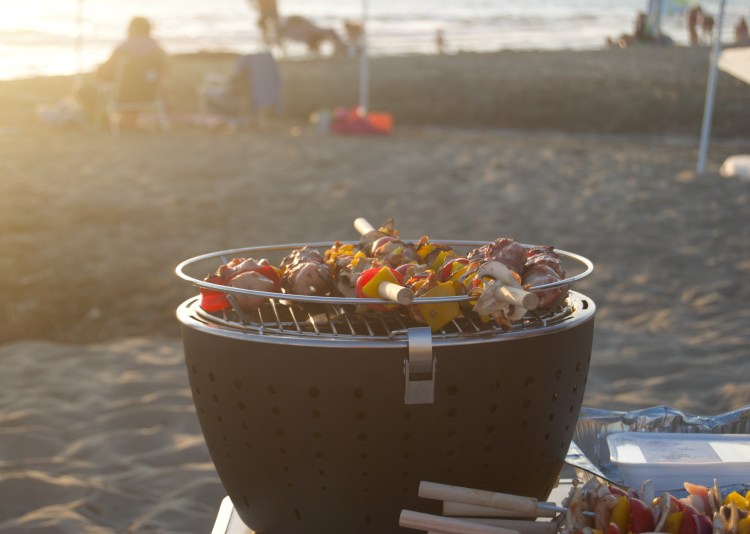
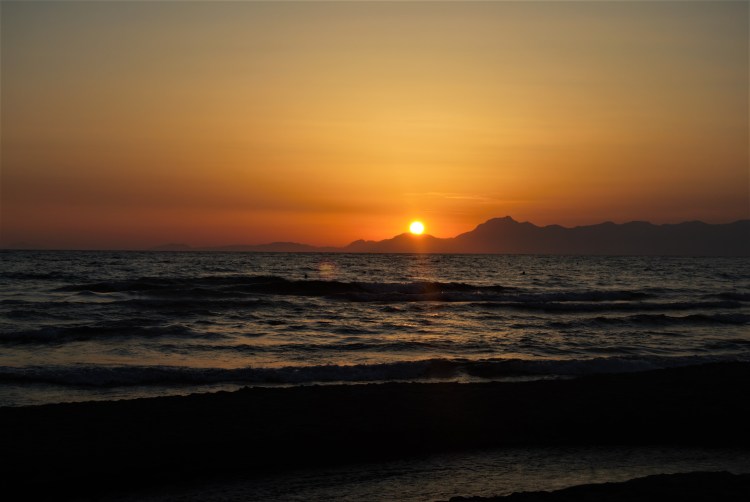
The rest of the afternoon was spent relaxing on the beach where, later on, we were treated to the most beautiful sunset, after which we walked in to the town square where we’d heard there was some live music. What we found though, left quite a lot to be desired and couldn’t really be likened to music at all! So we carried on to Lido Vin.gi 79, a great bar on the beach which epitomises the beach shack look with white pallet furniture and fairy lights. A great way to end the day!
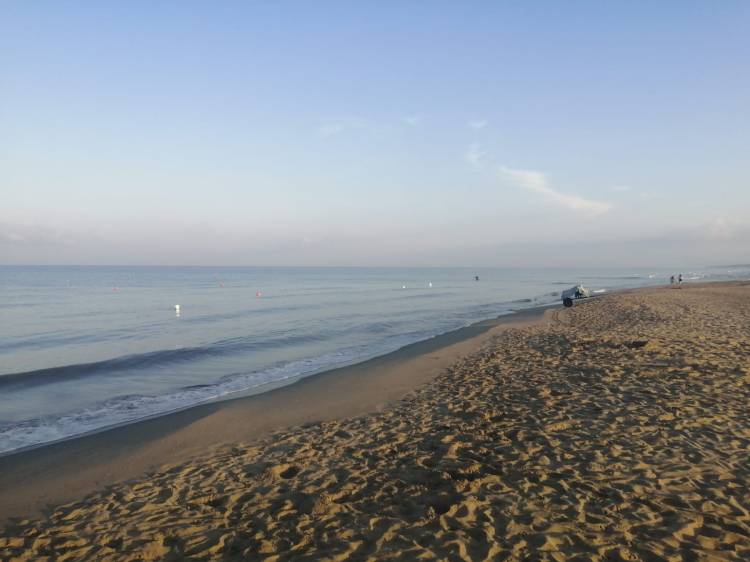
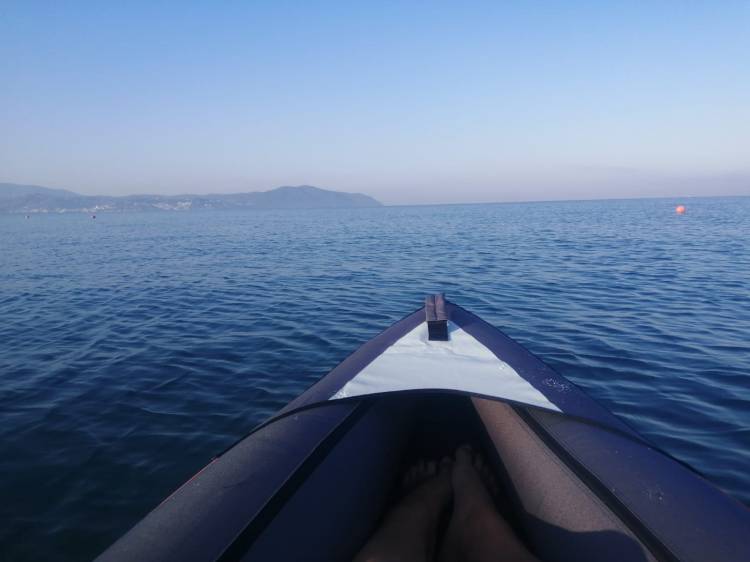
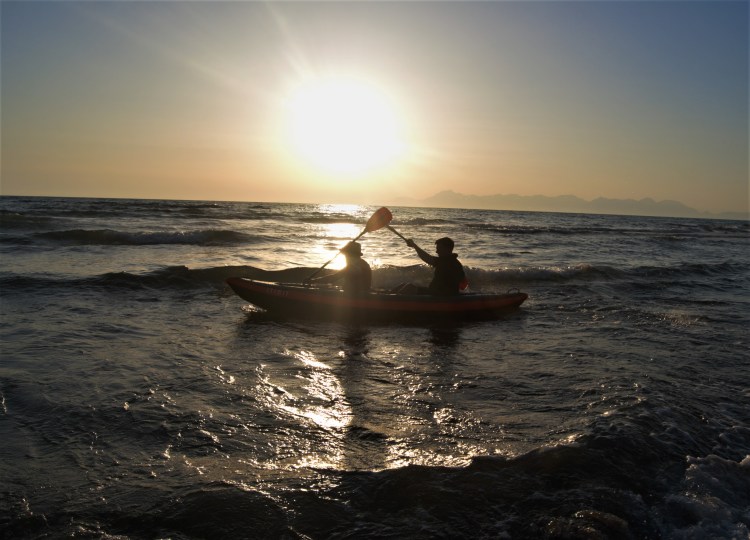
Sunday begun in the most wonderful way. The sea was as calm as a mill pond so we decided to test out our most recent purchase of an inflatable kayak. I’m pleased to say that no one drowned and we are still married, so a successful maiden voyage in my eyes! As we paddled out over the crystal clear water, past the buoys marking the safe swimming area, I noticed a large white shape in the water, the size of a football. Then another one, and another one. On closer inspection they were huge jelly fish just floating and bobbing around beneath us like extra terrestrial organisms. There were hundreds of them and they were just fascinating to see. Out on the calm water, just us and these other-wordly creatures was absolutely wonderful and a great way to start the day. By the time we got ashore there were plenty of locals already set up for a day on the beach, so we packed up camp, visited the museum and headed north, stopping for some lunch in Salerno. A weekend with great company, delicious food and fantastic sights…what’s not to like!
 Brand New Day
One thought on “Paestum: a hidden gem of Campania”