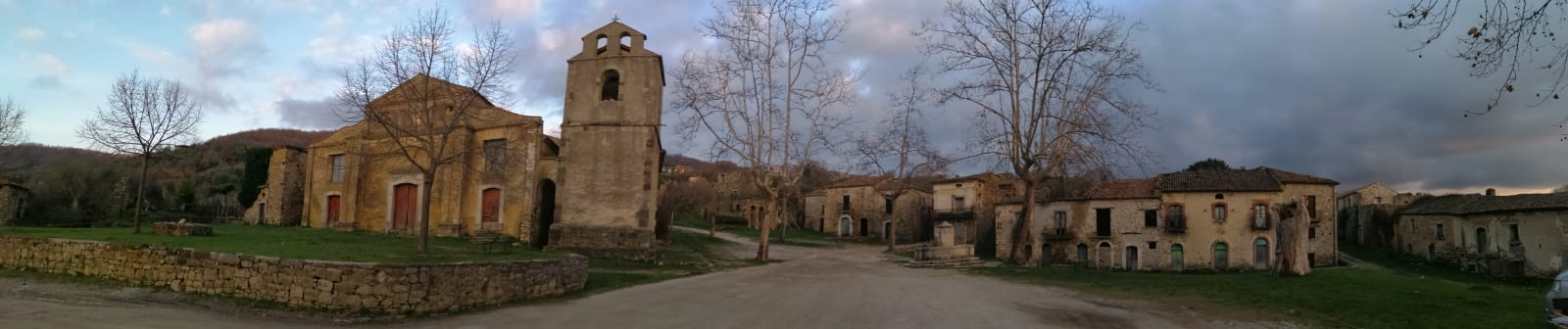
Greek Settlements and Ghost Towns
You’re probably fed up with me banging on about Cilento National Park by now, but hang on in there because this ultimate chapter is probably the most interesting!
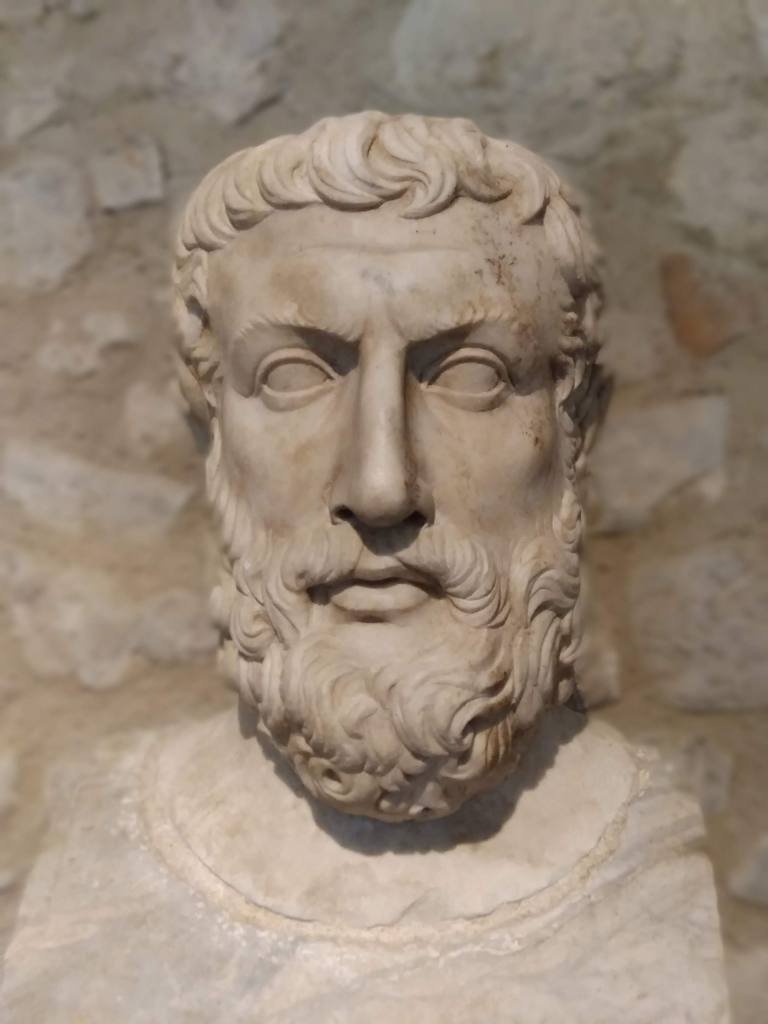
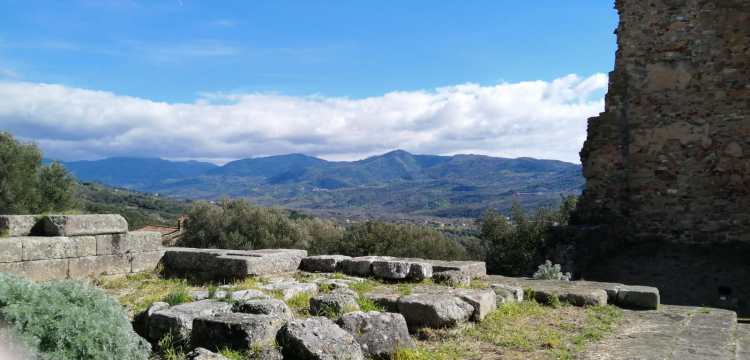
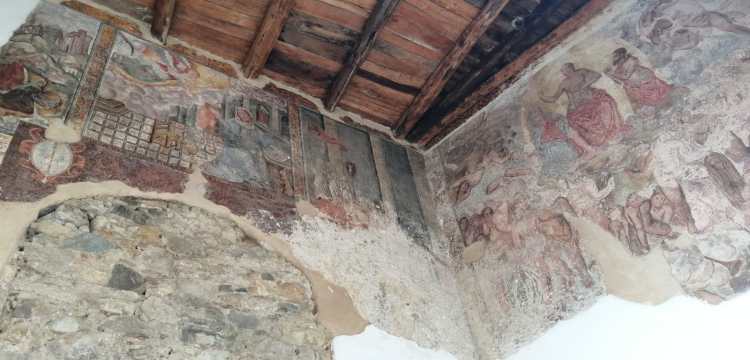
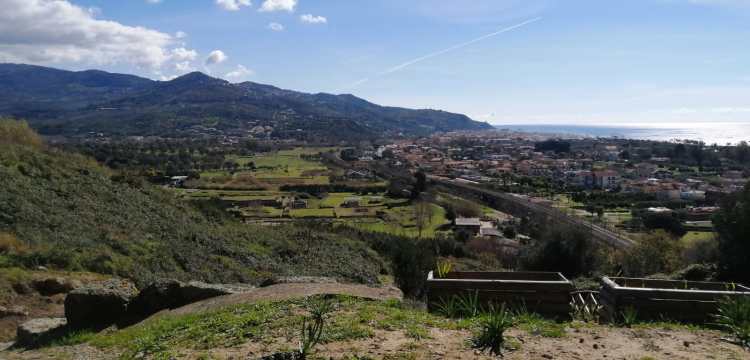
We reluctantly left Castellabate and it’s gorgeous little streets and headed a bit further south to the Archaelogical site of Velia. Being history nerds we couldn’t pass up an opportunity to visit this Ancient Greek settlement so we popped in for a quick look….two hours later we were still there! Due to ongoing excavations you could only visit the site with a guide, who unfortunately only spoke Italian! So, along with two Italian ladies we set off on the guided tour with Giuseppe and whilst there was quite a bit we didn’t quite catch (!) we understood the basics and still learnt a lot. The origins of Velia (or Hyele as it was first known, then Elea and later the Romans called it Velia) date back to 540 BC when the inhabitants of Phocaea in Turkey fled their homes to evade besieging Persians and sailed here to create a new settlement. At the time the coastline was half a kilometre further inland so the new town of Elea would have had a bustling port and seafront. The site became particularly famous for it’s Eleatic School of Philosophy, which created a real cultural revolution and influenced philosophical work for centuries to come. Born in Elea in 510 BC, the main philosopher of this school was Parmenide, who’s incredible statue was on display, (see photo below). The work of him and his student, Zeno, influenced a study of Plato at the time to show the contrast between the ideals and the thoughts of a philosopher of a far peripheral town and the ones generated in Athens, the heart of Greek culture.
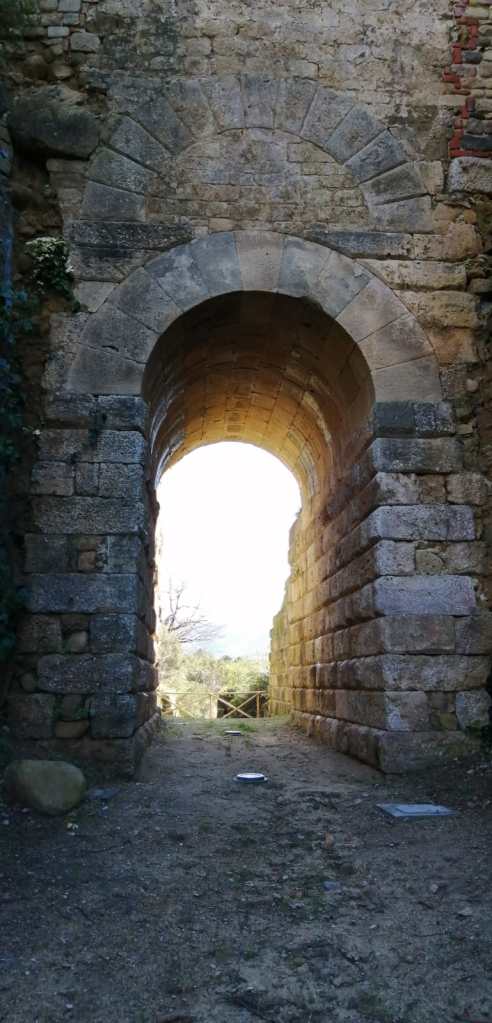
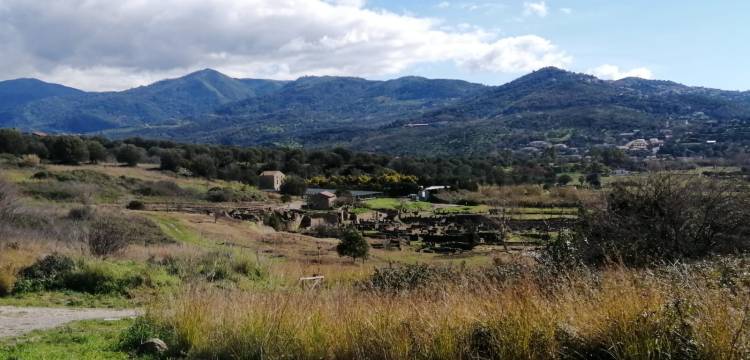
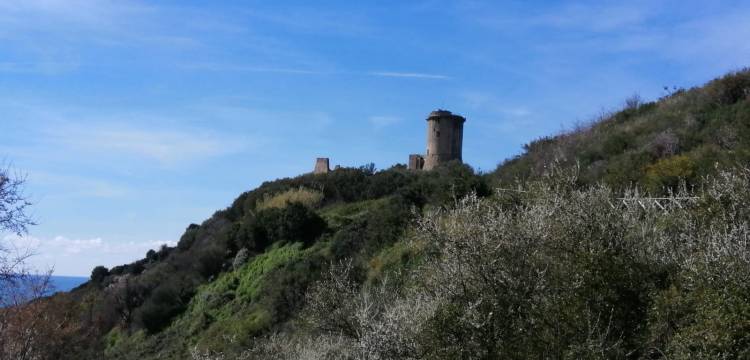
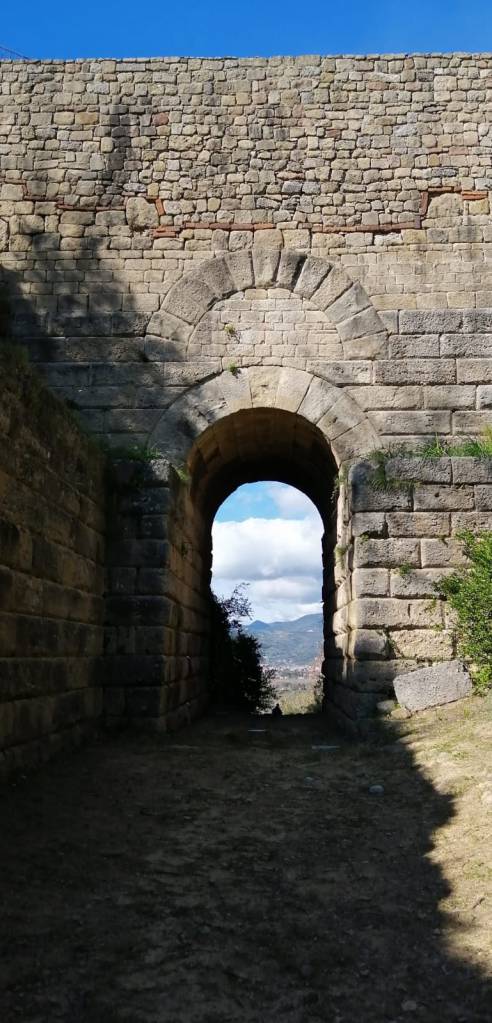
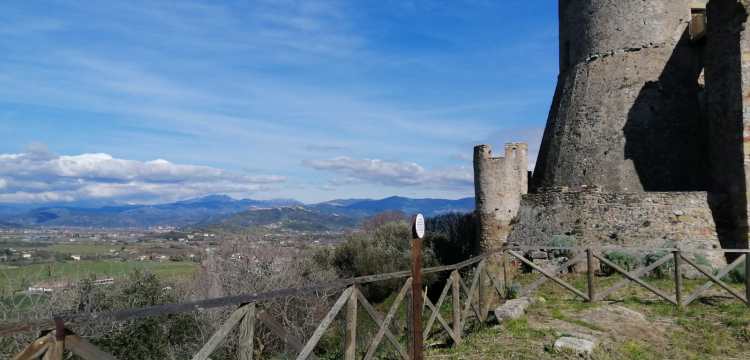
The site spans quite a large area including a hill which is home to a medieval tower and remains of a castle which were built on the ruins of the original Greek temple. There were a surprising amount of security guards for such a site, one of who told us off for taking a photo of an amphitheatre that was being unearthed and to visit some parts we had to be escorted by a member of the security team. It all felt slightly unreal! Another fascinating feature of Elea that we were taken to see was the Porta Rosa, or Pink Door, which is a towering archway leading to a cut through the rock which would have been one of the entrances to the city. This archway, that the five us stood under in amazement, is the oldest example of such an archway in Italy.
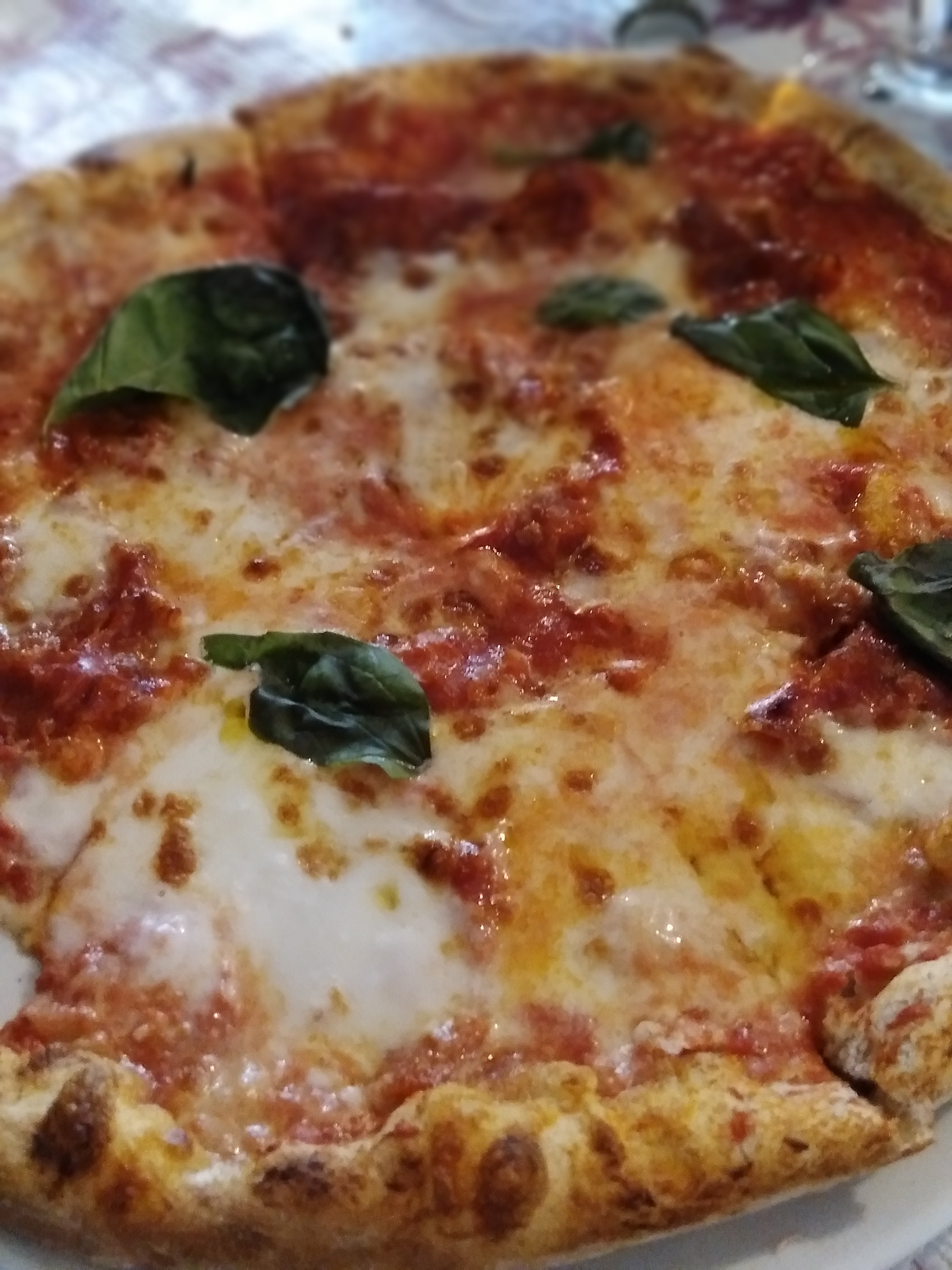
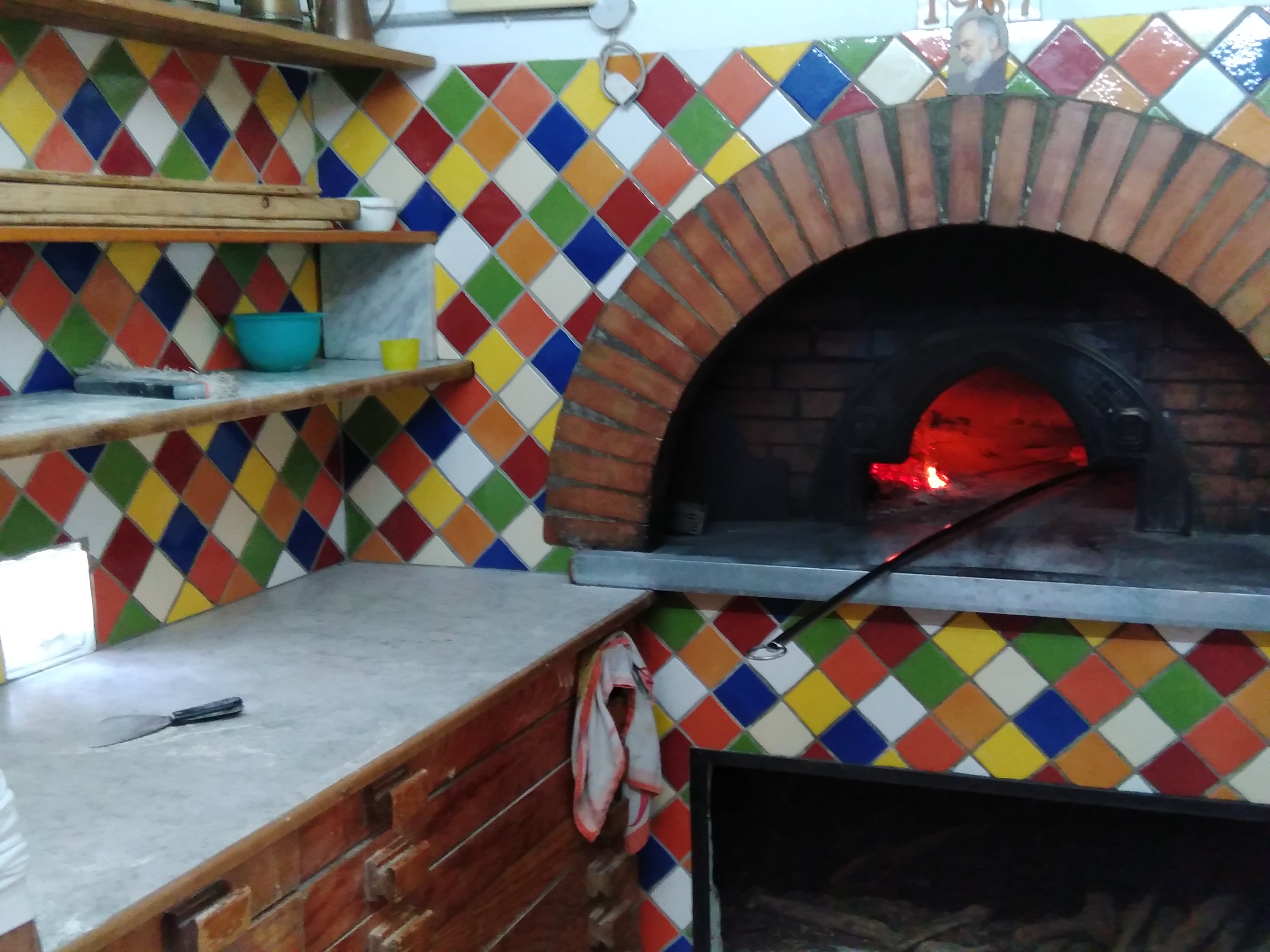
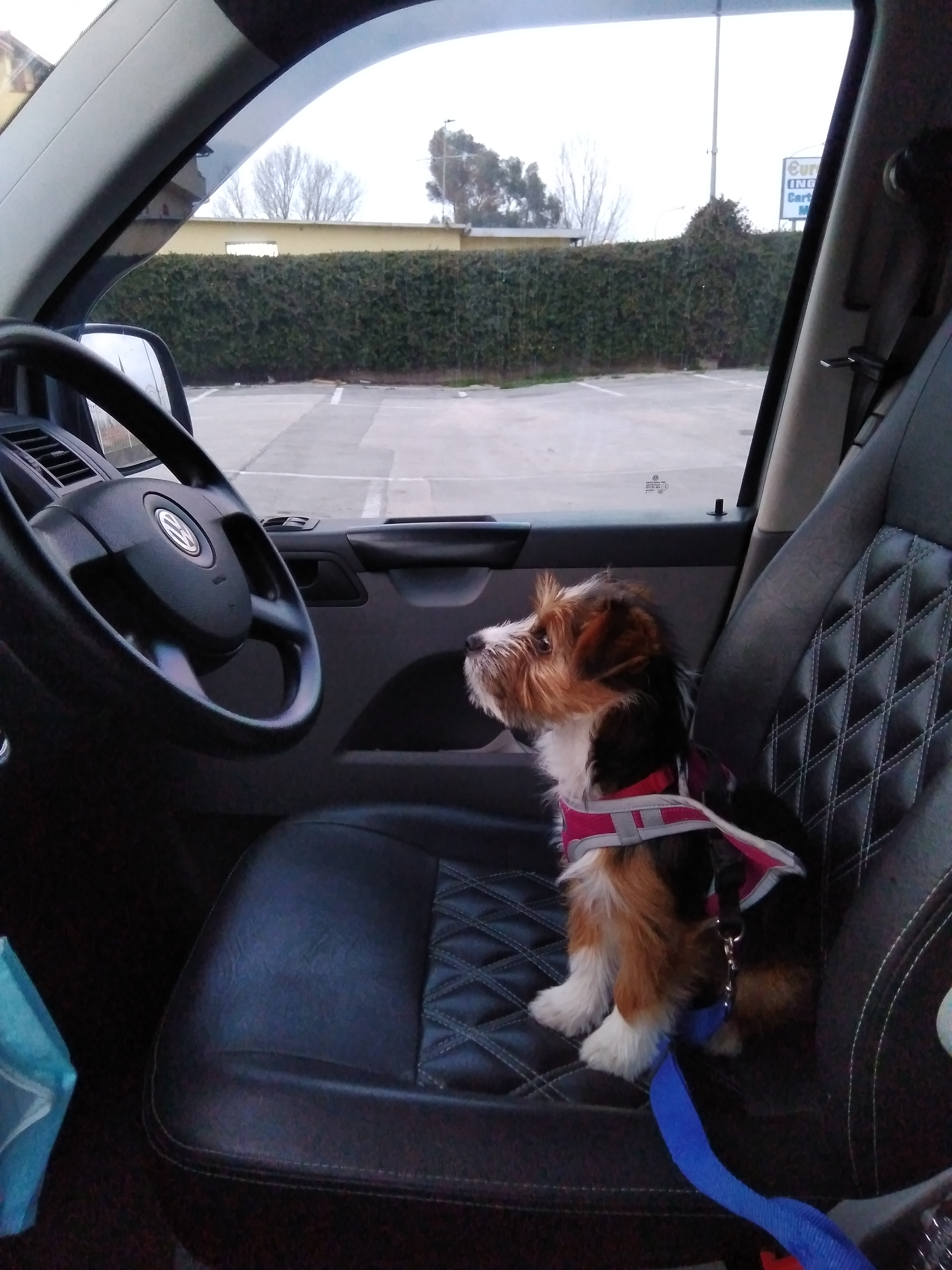
After having our fill of ancient history (Peggy didn’t seem so keen on the history side of things but she enjoyed the stroll) we’d worked up an appetite and headed to a nearby restaurant for lunch, Pizzeria da Camillo. My heart went out to the businesses in this area, a tourist attraction like that, which would normally draw hundreds and hundreds of visitors a day was deserted. The restaurant we ate in was a fabulous place with the most attractive pizza oven I’d seen. The owners were so welcoming and friendly and their warmth more than made up for the vast, chilly restaurant we sat in; a room just desperate to be filled with laughter and joviality again.
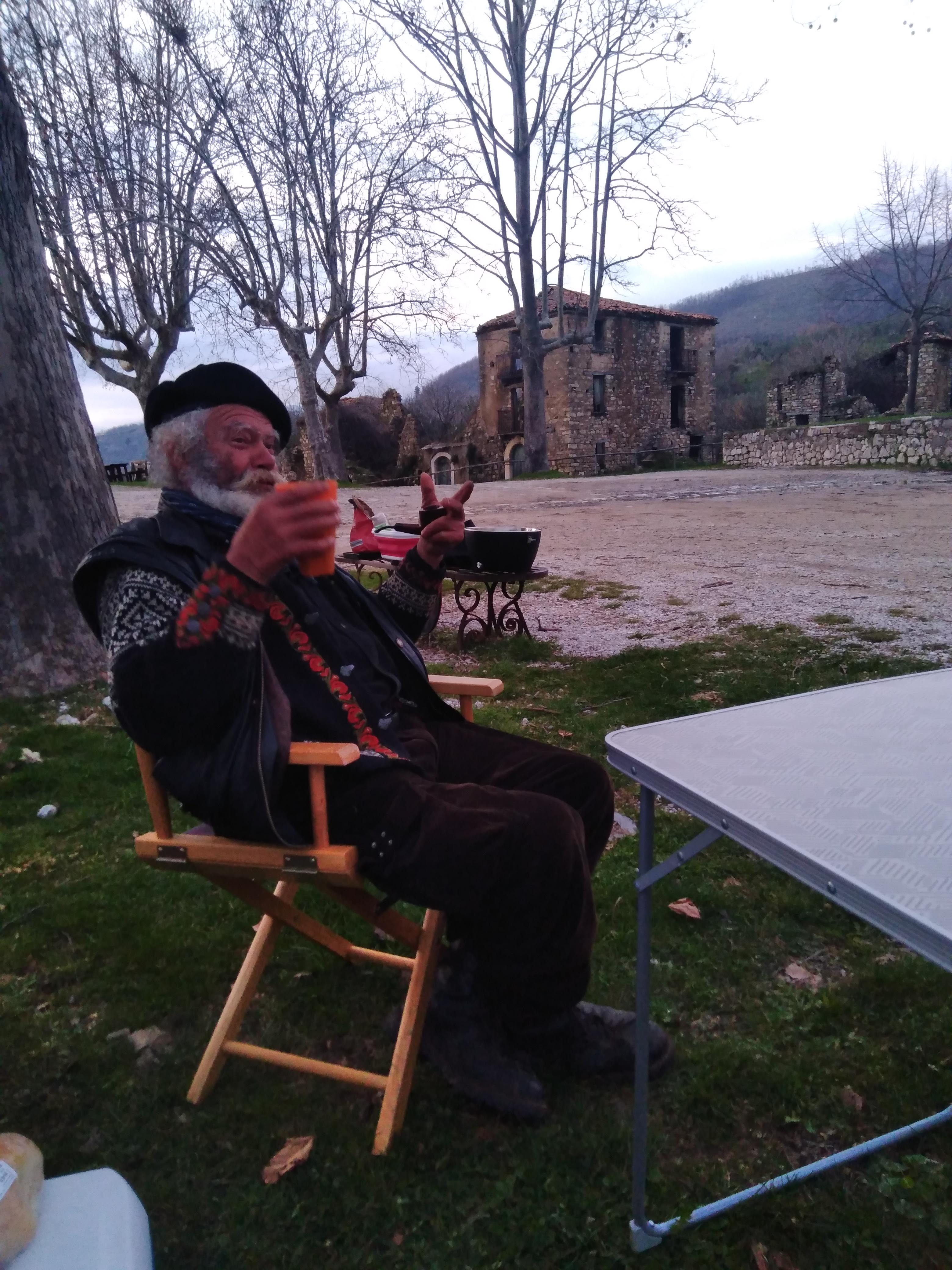
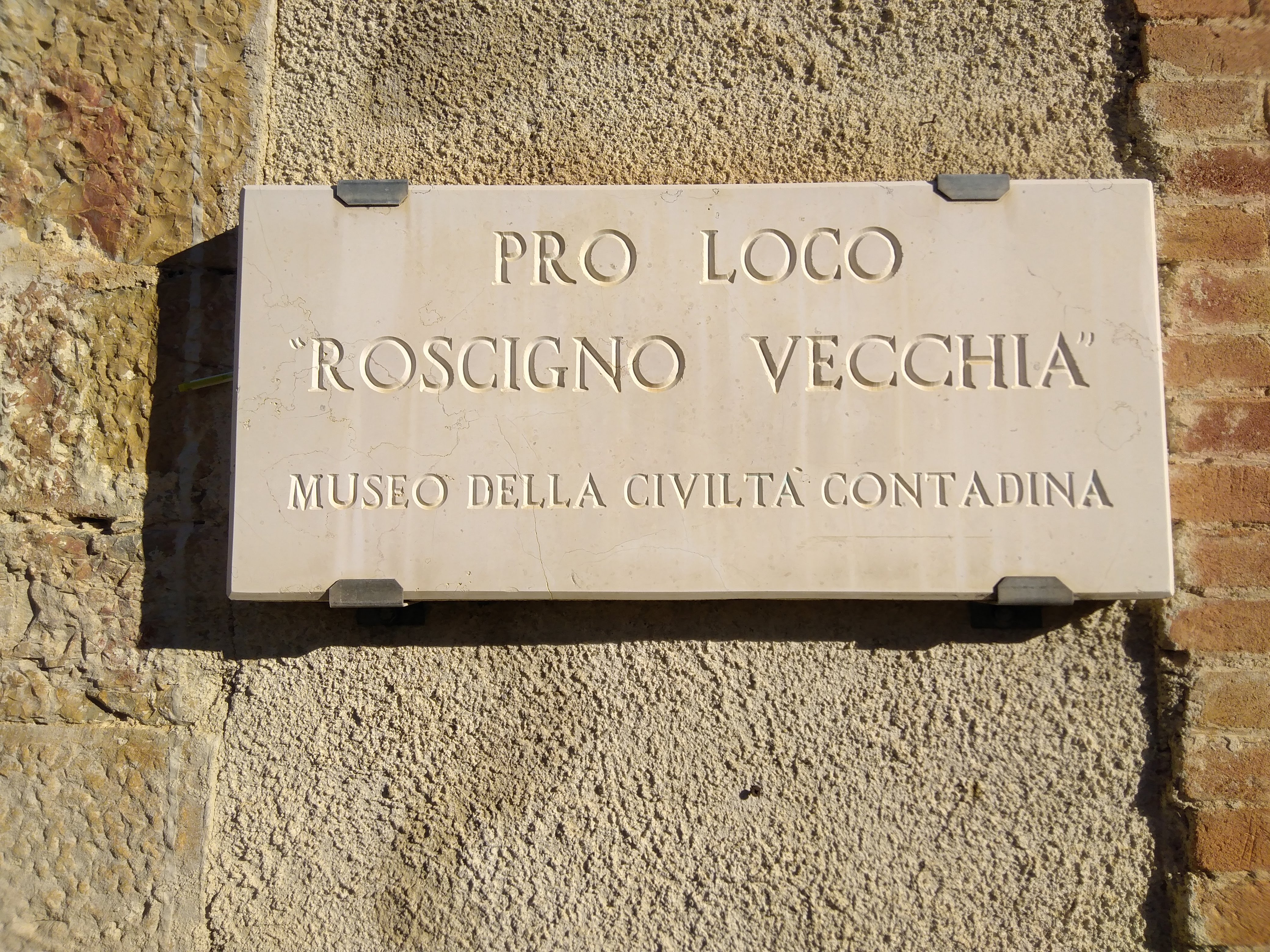
Very satisfied, we drove on to our next and final destination. We were keen to spend a ‘wild’ night camping in the van and had read about a unique little place to park up called Roscigno Vecchia. The route there had us approaching the village the ‘back way’ via a road that didn’t seem very appropriate for a VW Transporter Van! In fact, it’s steep gradient and rocky surface was much more suited to a donkey and cart! However, we revved up the slopes, wound our way through olive farms and eventually emerged in to the piazza of Roscigno. This is no ordinary village though. In 1902, the government encouraged the inhabitants to move out to a newly built village a mile up the road, due to fears of a landslide (unnecessary as it turned out as the ground only ever moved 2 metres.) The majority of people left, but some stuck it out until the sixties when an outbreak of Malaria forced the remaining residents out. After then there was one inhabitant left, a nun called Dorina who lived on her own in this eerie village until 1997, when she was joined by Giuseppe Spagnuolo known to many as Peppe. Twenty four years later 73 year old Peppe is the only resident of this abandoned village, he has no electricity, no running water but he describes himself as ‘libero’ – free. After years of working as a carpenter and builder, for whatever reason known only to himself, he left his wife and family in the new town up the road and moved in to one of the run down buildings here. You’ve never seen such a wonderfully smiley face on someone who has so little. With a huge, white bushy beard, pipe hanging from his mouth and hat pulled down over his thick hair, he epitomises the typical ‘vagabond’ image.
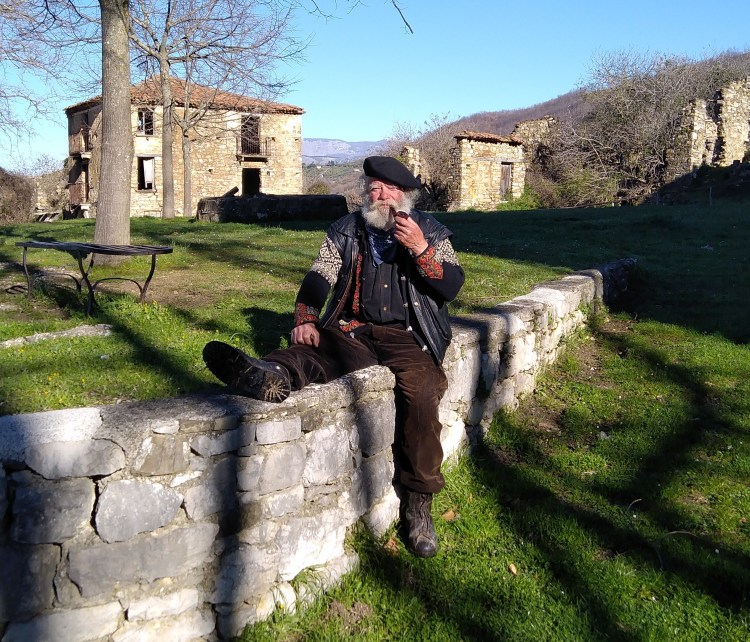
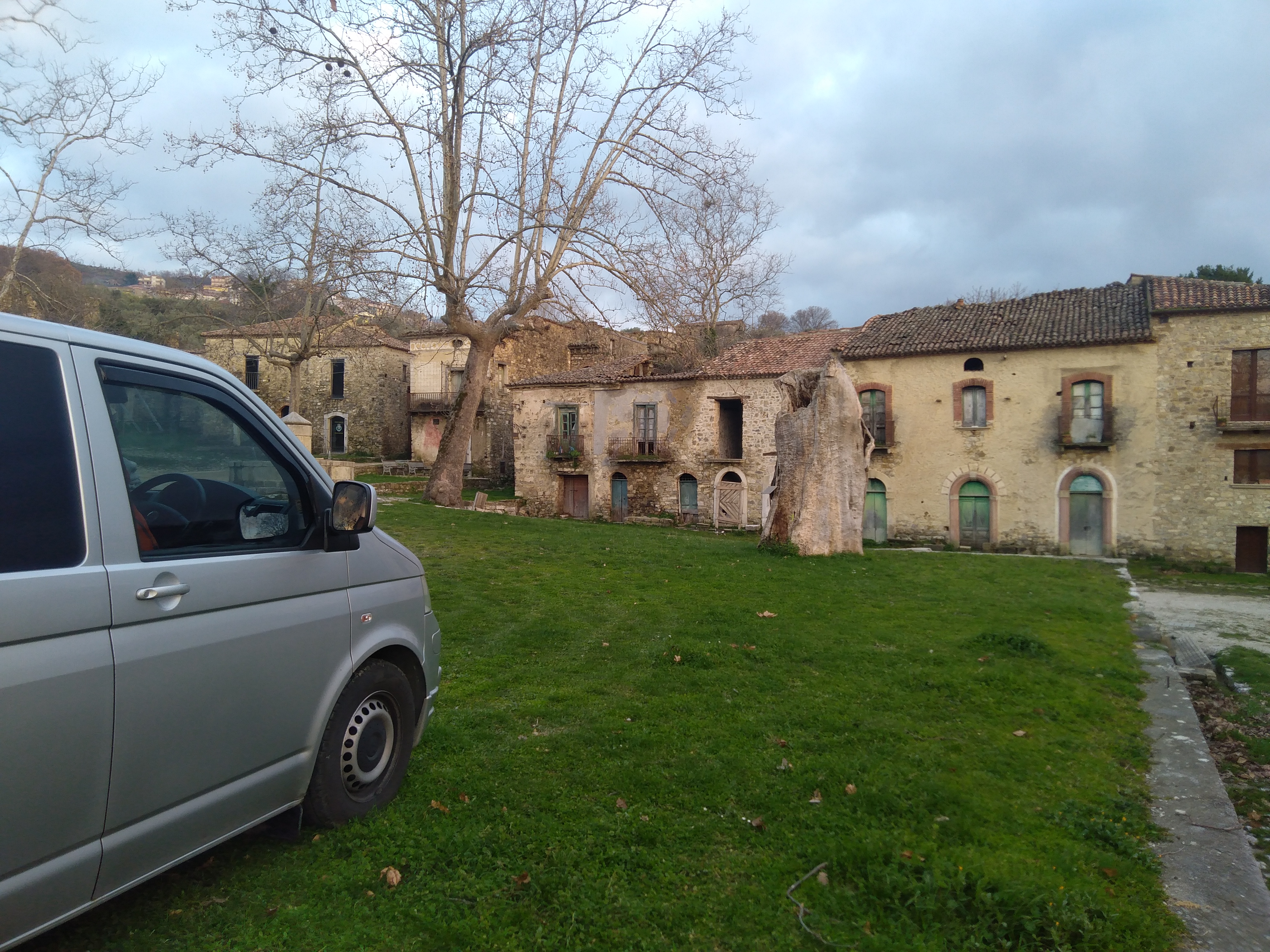
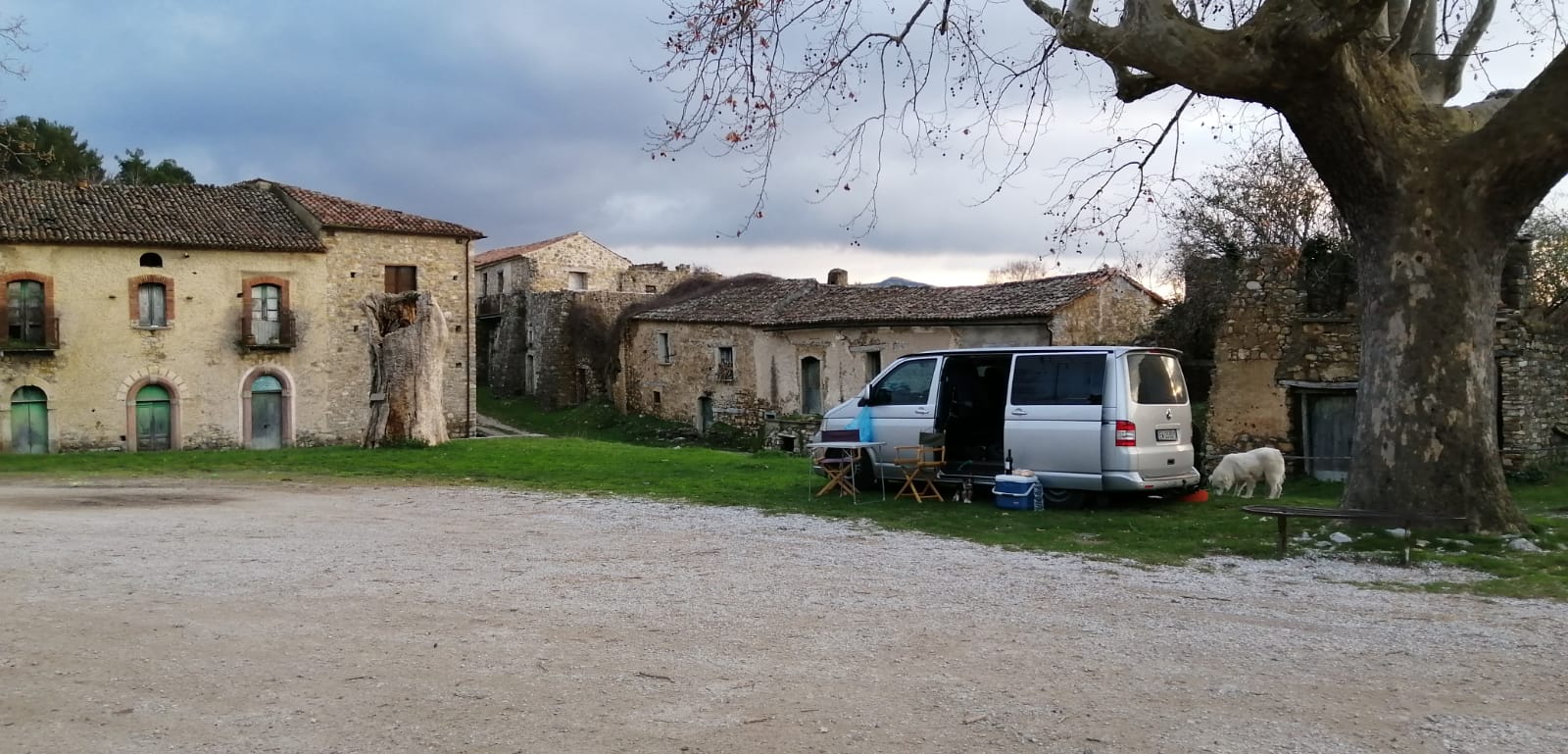
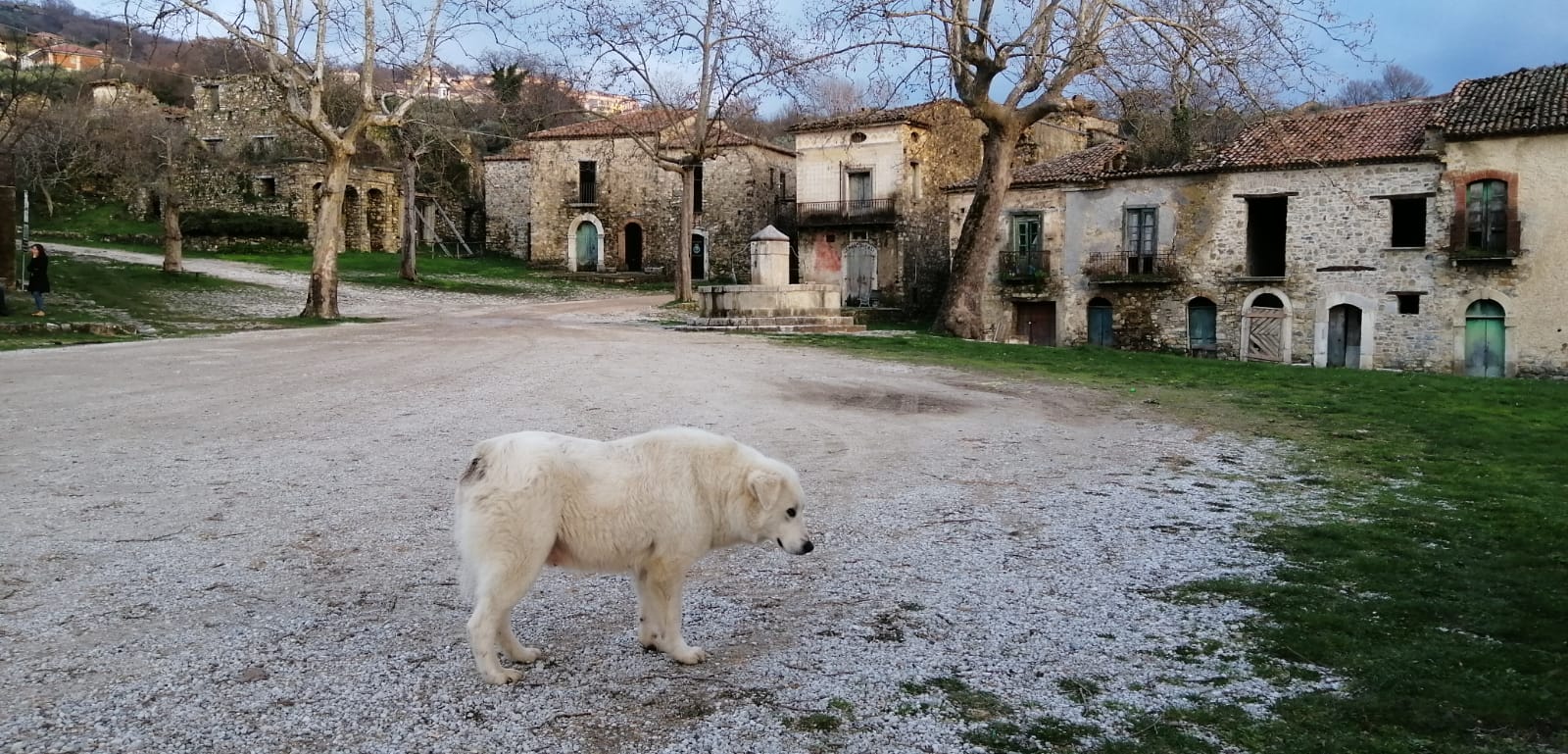
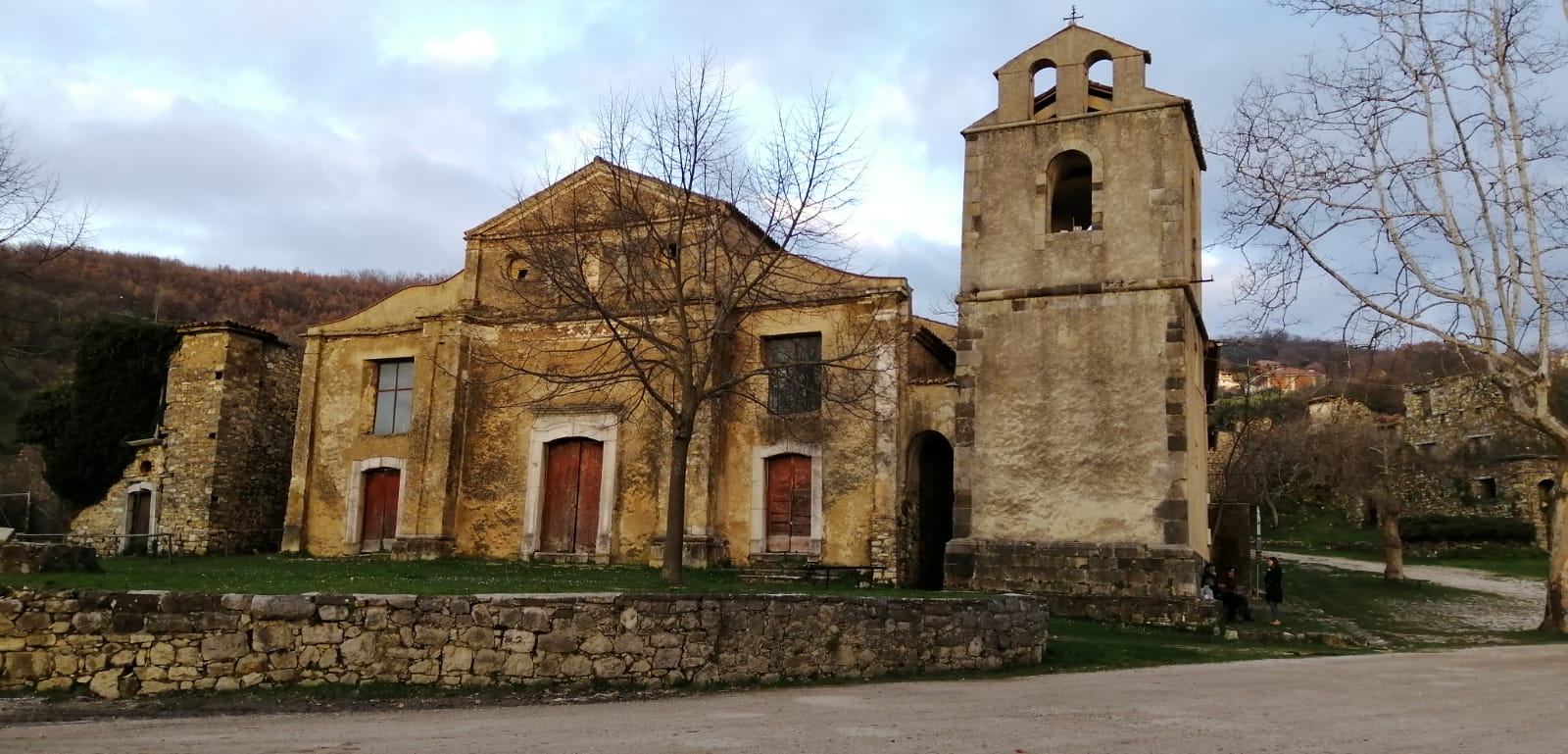
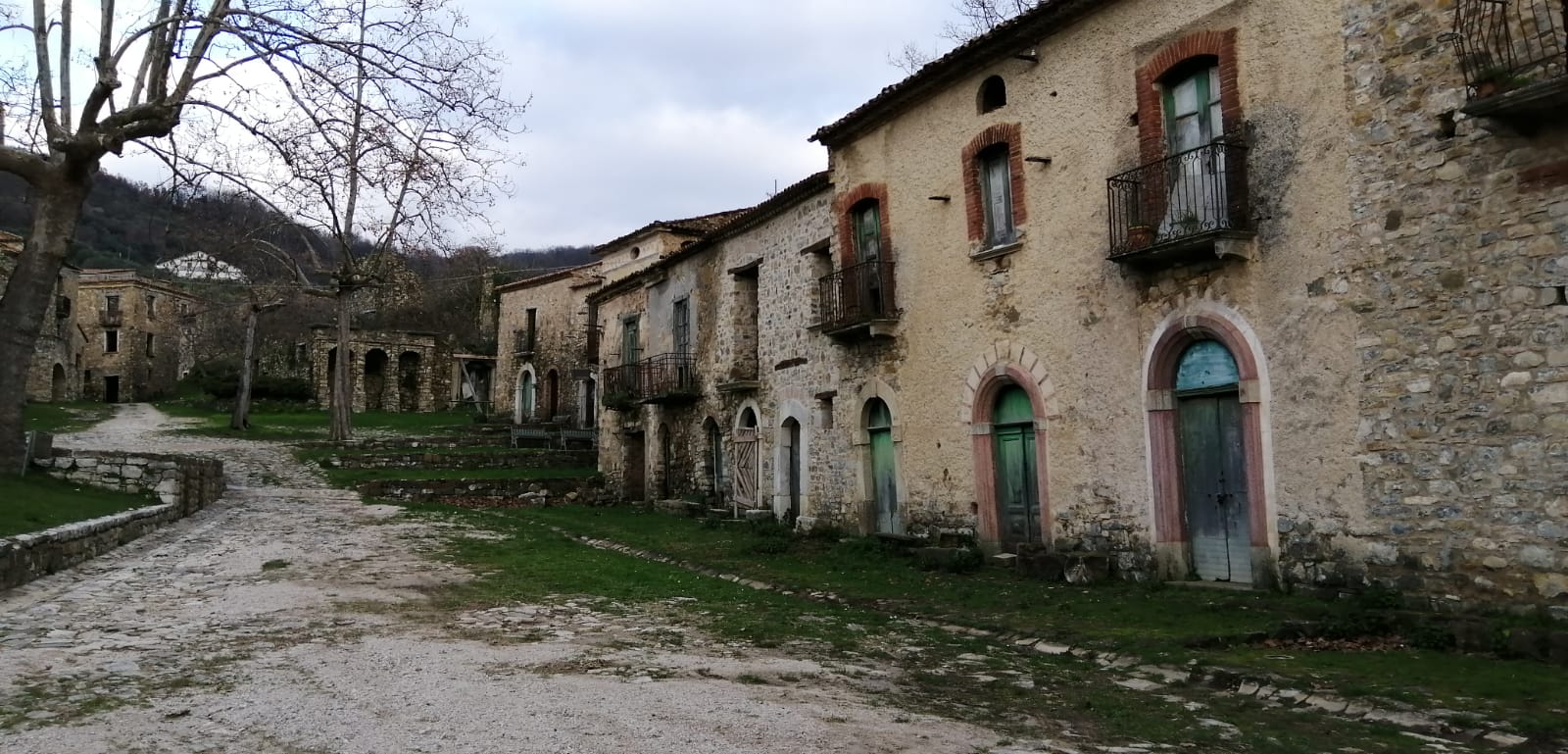
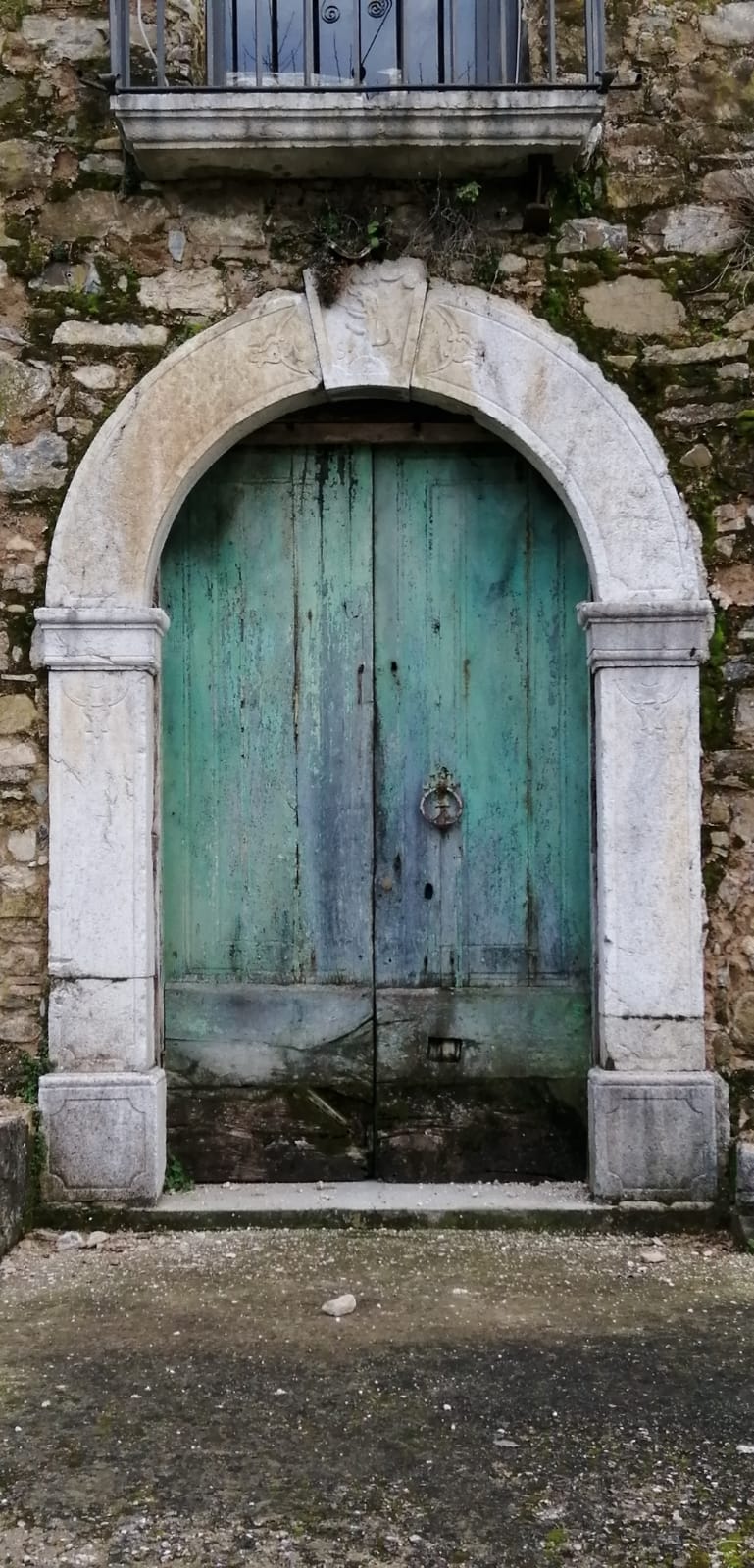
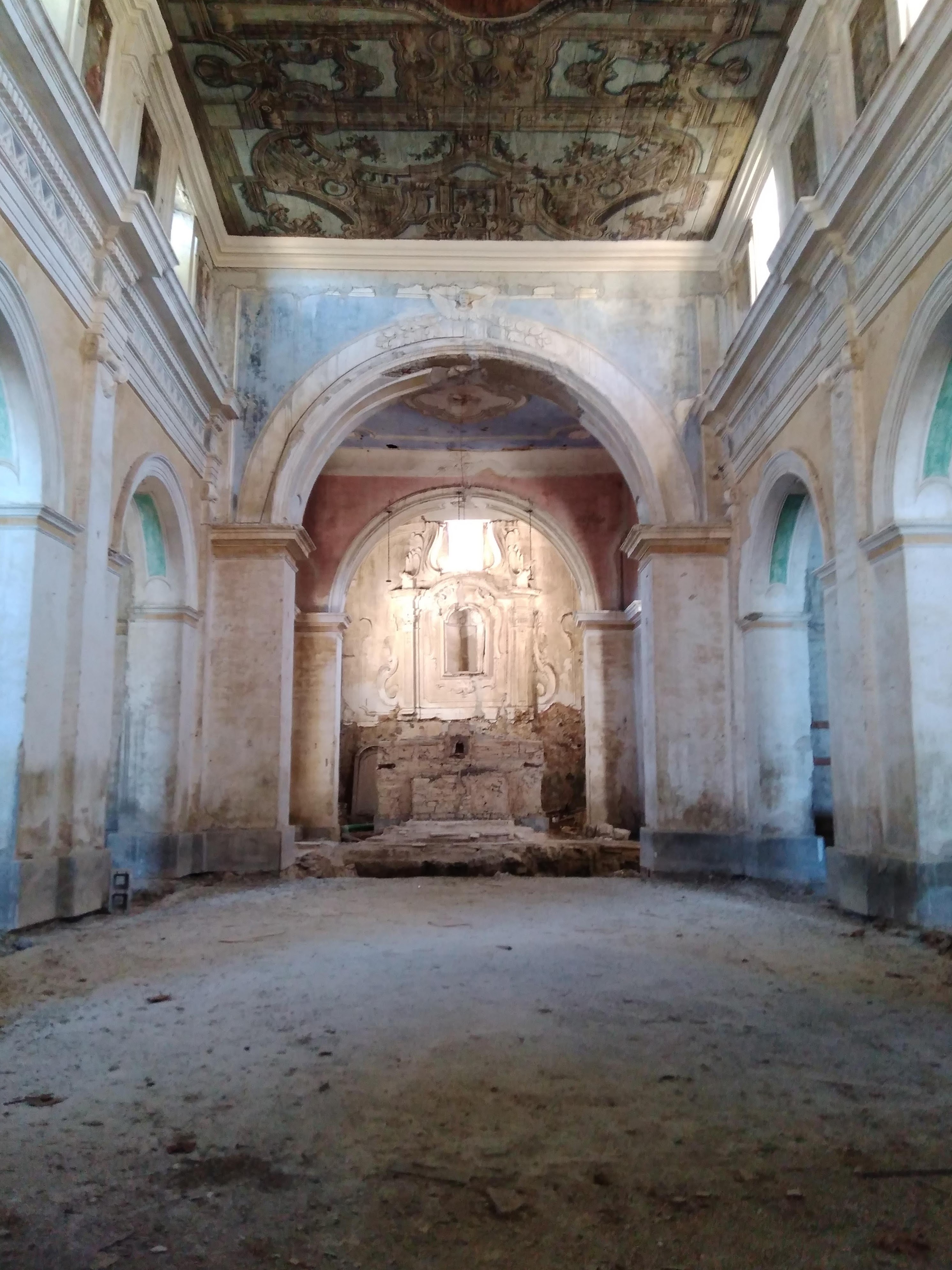
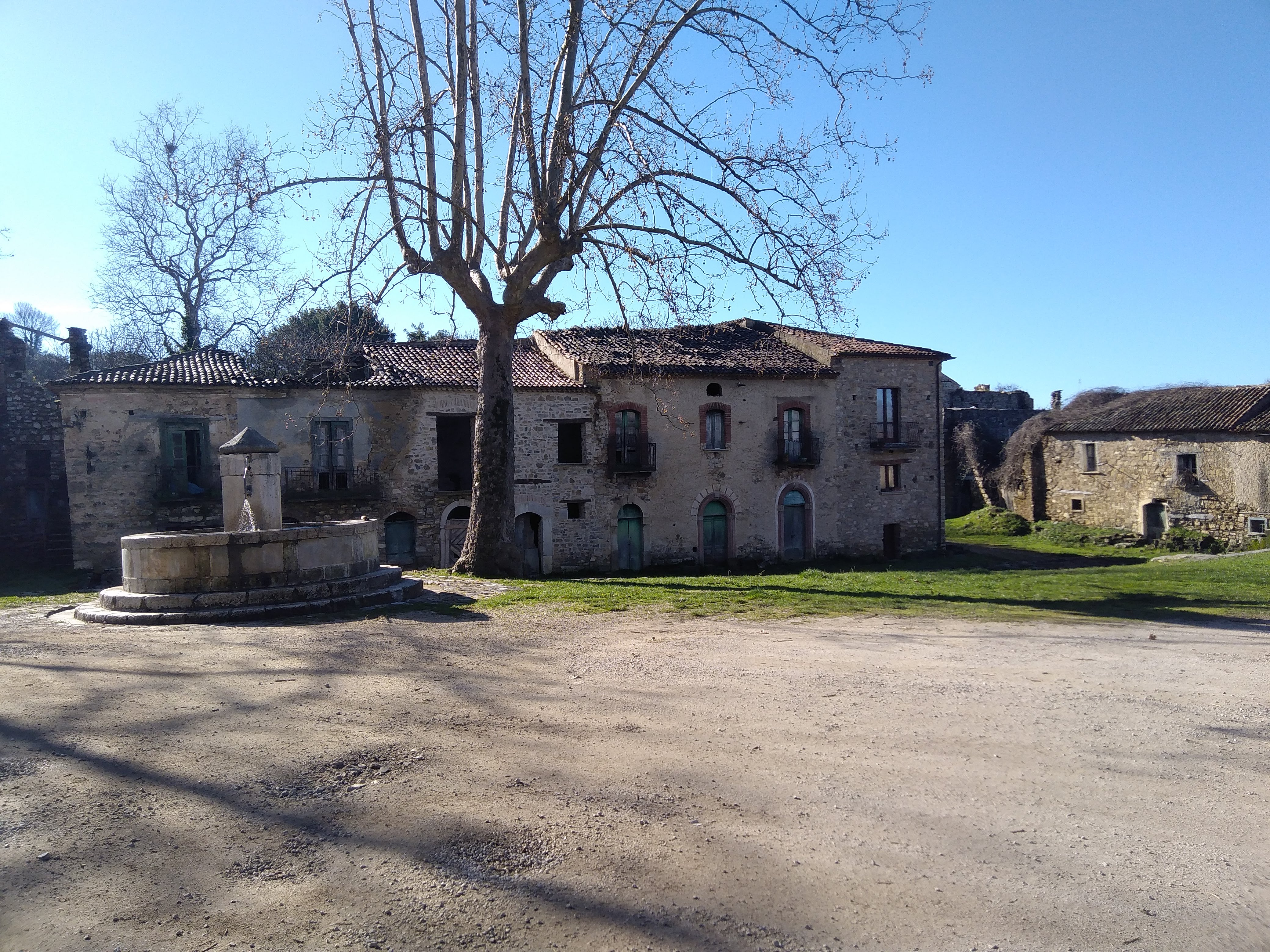
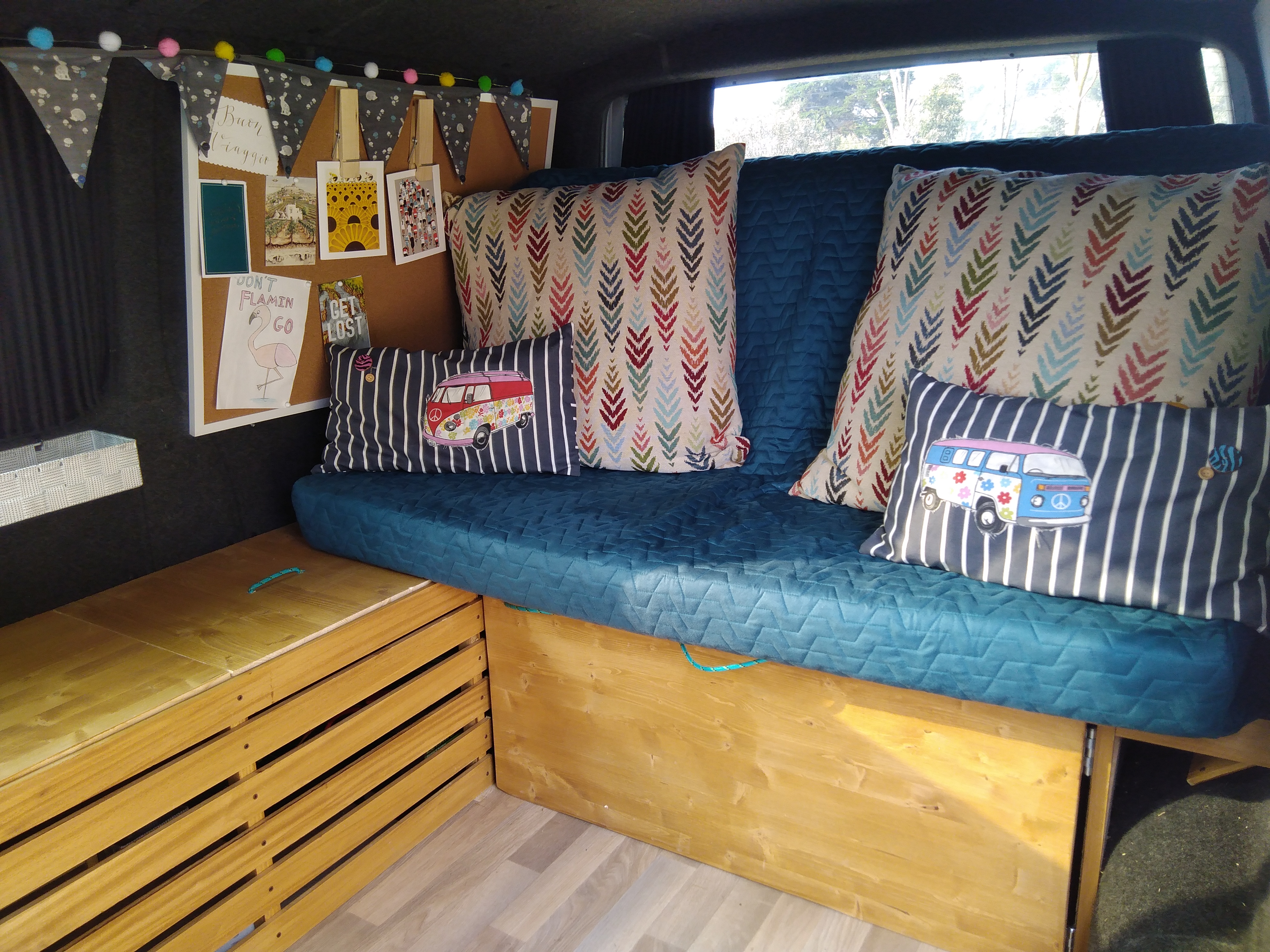
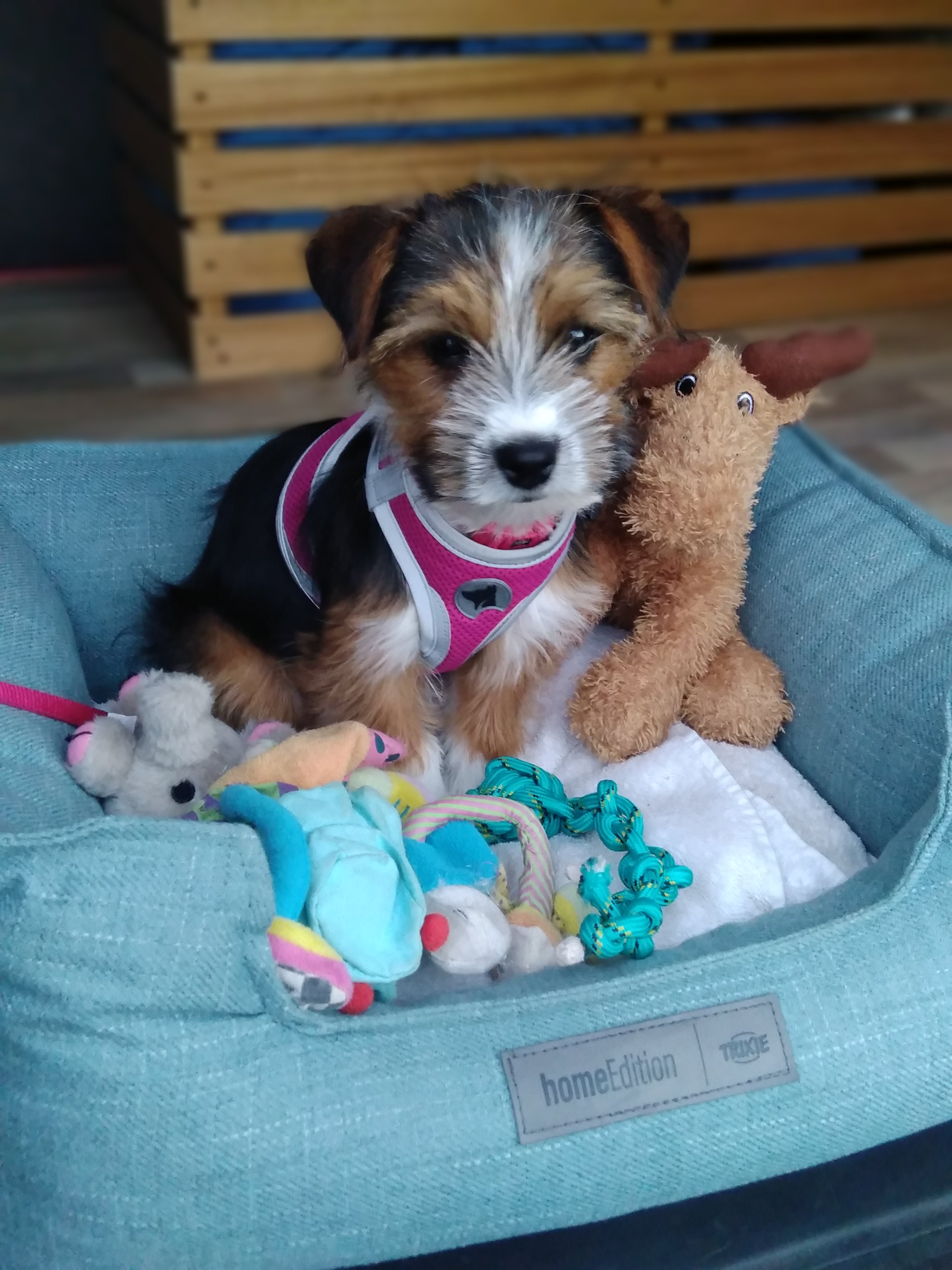
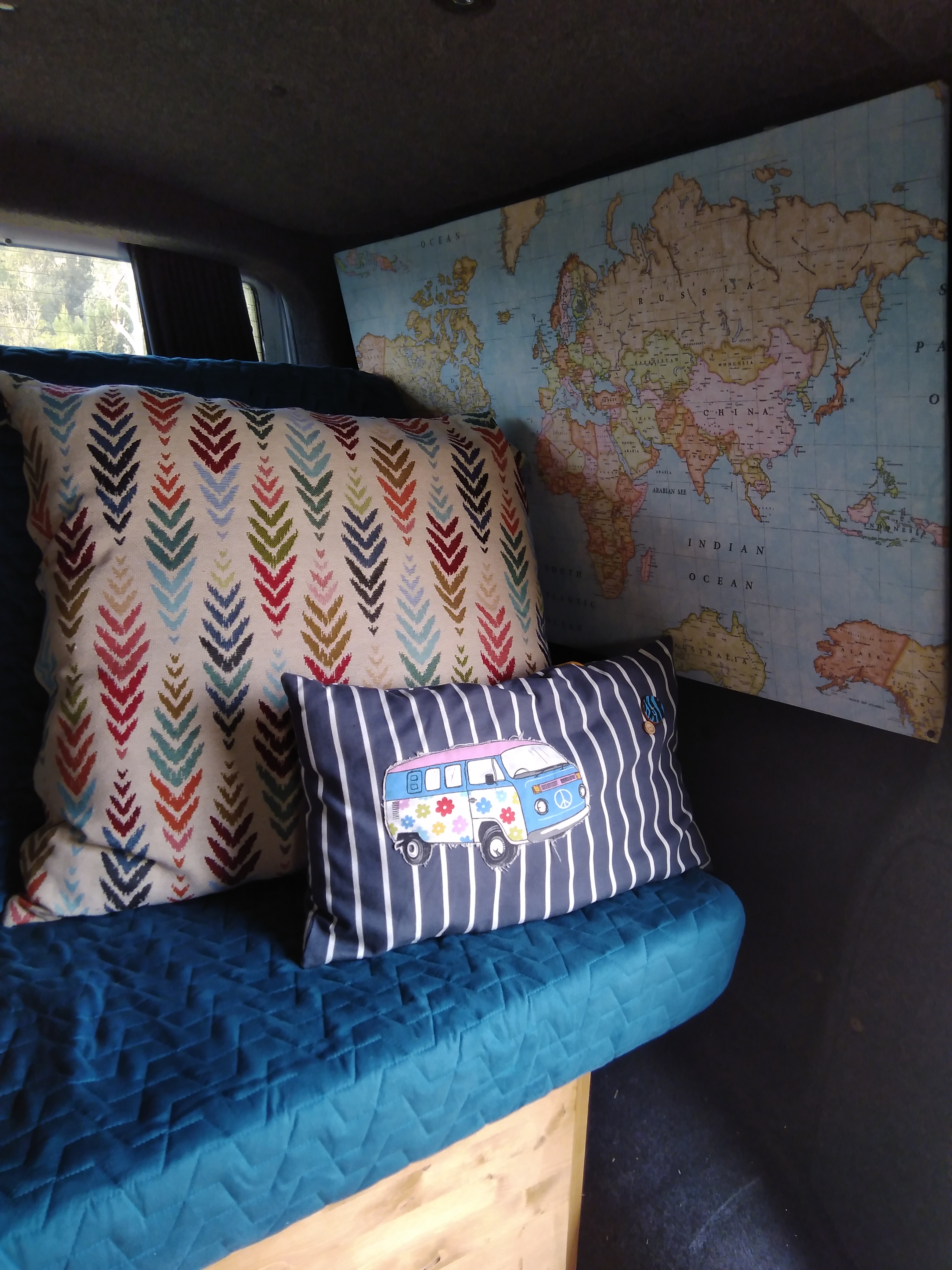
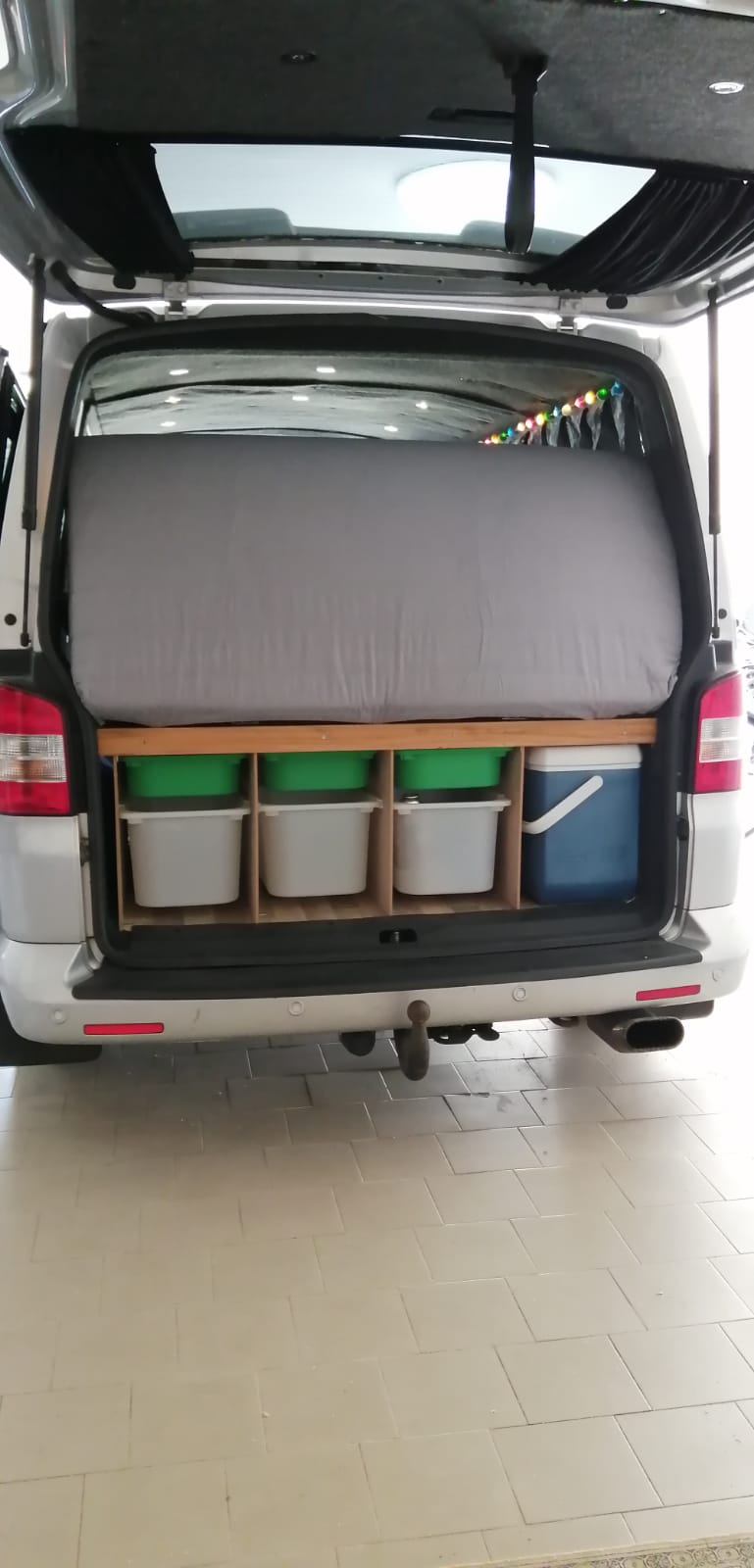
We set up camp and explored the hauntingly beautiful abandoned streets and buildings. The main piazza is the heart of the village, a wide, unpaved expanse, home to a beautiful, old stone fountain, centuries-old lime trees, a terrace leading to the entrance of San Nicola Church built in 1720 (the interior of which could just be admired by peering through a crack in the door) and is where Peppe and Bianchini (the resident stray dog who lost her tale to a boar) spend most of their day. The piazza is surrounded by a little network of tumble down buildings, some giving away clues to their former glory, like the wrought-iron sign still swinging above the old bar. When we arrived there were a handful of visitors, including, coincidentally enough, a lady from London who’s lived in Italy for 22 years, her’s was the first English we’d heard for a long time. Later, we met two guys who were on a whistle stop tour of Cilento taking photos in an official capacity to try and boost tourism and drive some much needed revenue back in to the area, particularly to abandoned villages and towns like this one. But as the sun dropped behind Monte Pruno, the hill the village is nestled in to, it was soon just us and Peppe. So in the diminishing light we invited him to join us for a glass of wine whilst we cooked our dinner of steak and halloumi on the BBQ. When offered some, he politely said he’d try some of this greek cheese we were raving about….not sure he was that keen though! It was really good to be able to use our Italian, as he didn’t speak a word of English and so lovely to hear his story of how he ended up being in this little village that time forgot. We then all retired for the evening and we had a very comfortable night in the newly renovated van. Peggy was an absolute gem and seemed to enjoy her first, proper camping experience!
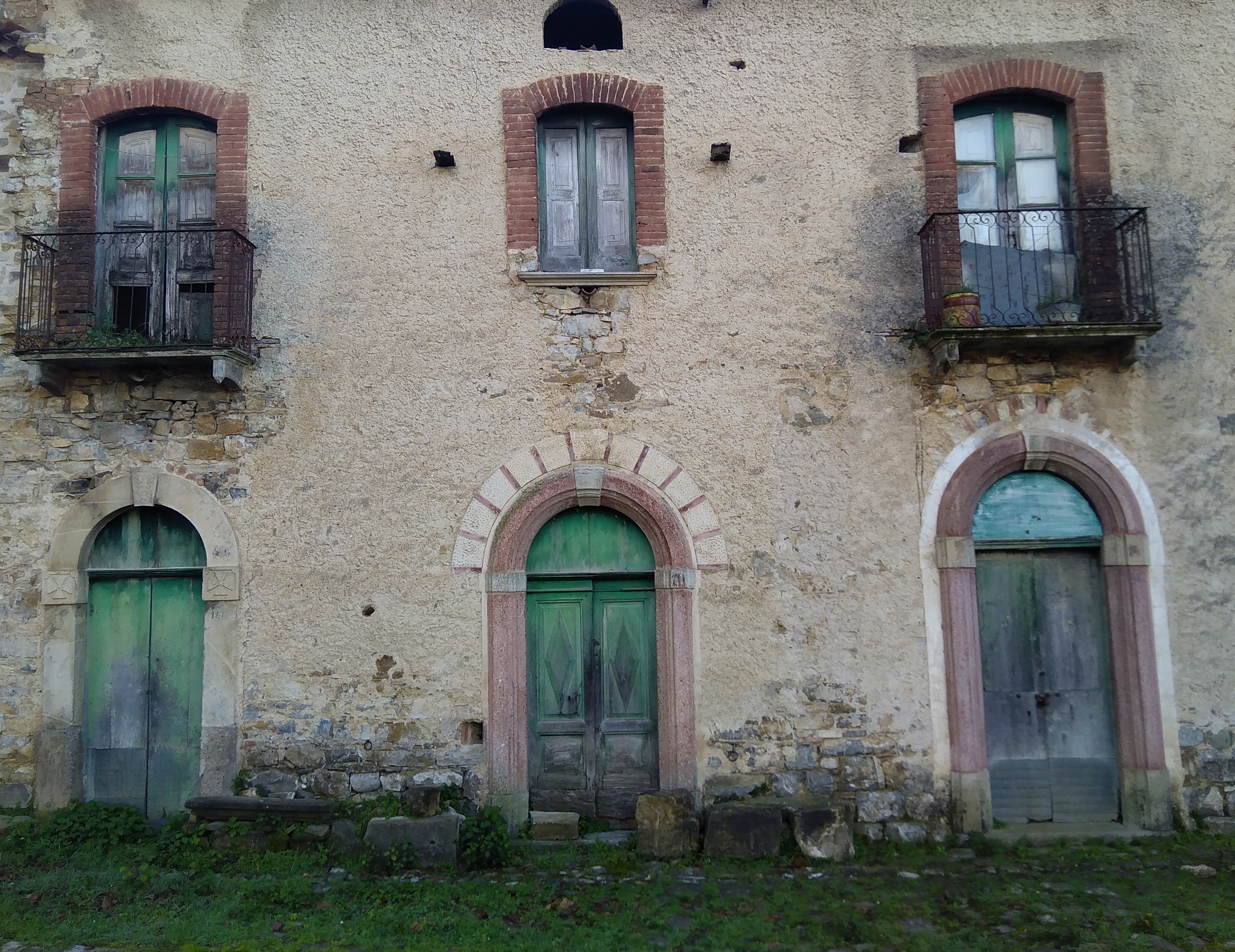
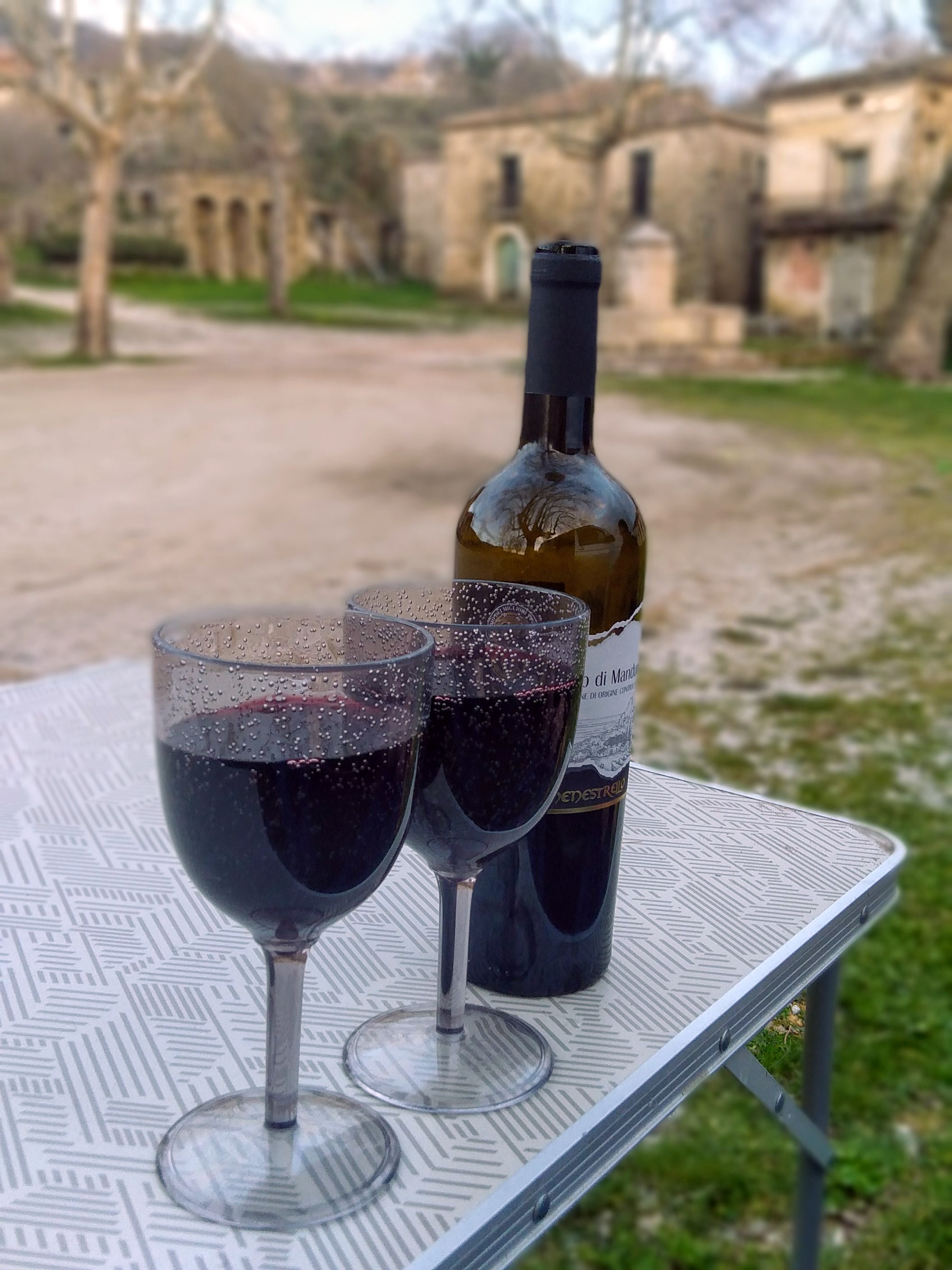
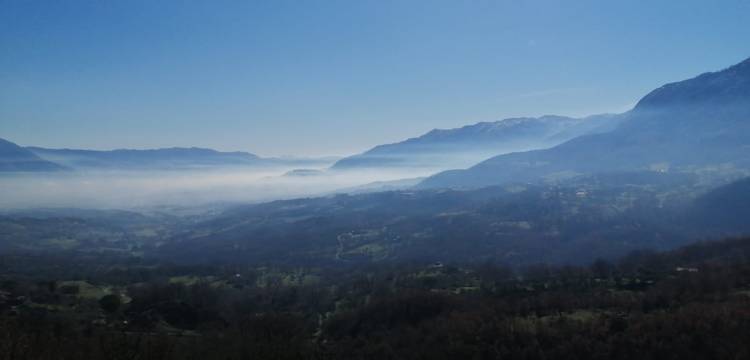
The following morning saw us bid farewell to Roscigno and Peppe, as we drove away under a bright blue sky, we left him sat on the wall in the piazza, pipe in mouth waiting to meet whoever would choose to pass through that day. As we drove up and over the mountain range, dropping down in to the valley below to head North for home, we were treated to one last spectacular view of this wonderful area. The morning mist was hanging low over the valley like a white, fluffy blanket but the sky above was bright blue and empty of clouds, further back down the valley the hill on which the town of Teggiano stood rose up like an island in this white sea. It was truly magnificent. On the drive home we reflected on the diversity of the Cilento National Park, it has so much to offer from beaches to mountains, dramatic cliffs to rolling hills but the most enduring attribute has got to be the people that live here. Throughout our week exploring Cilento we’d encountered so many friendly people, you wouldn’t pass someone on the street without them wishing you good morning or good afternoon, a courtesy that’s lacking in the metropolis of Naples. So along with the beauty of the place, it’s for this reason we will definitely be back…again….and again….and again!
 Brand New Day