Alberobello and Matera
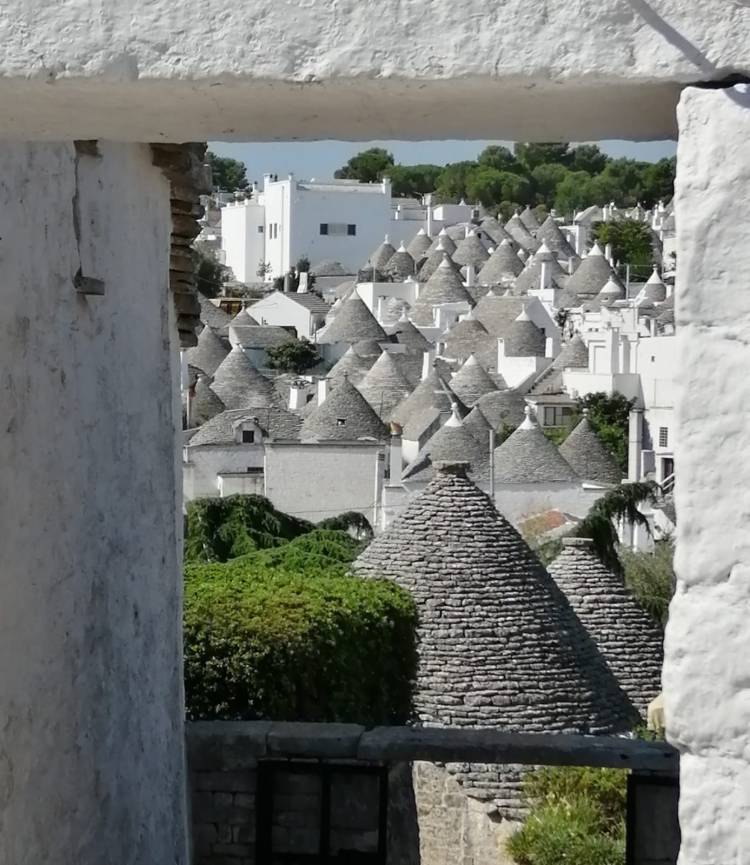
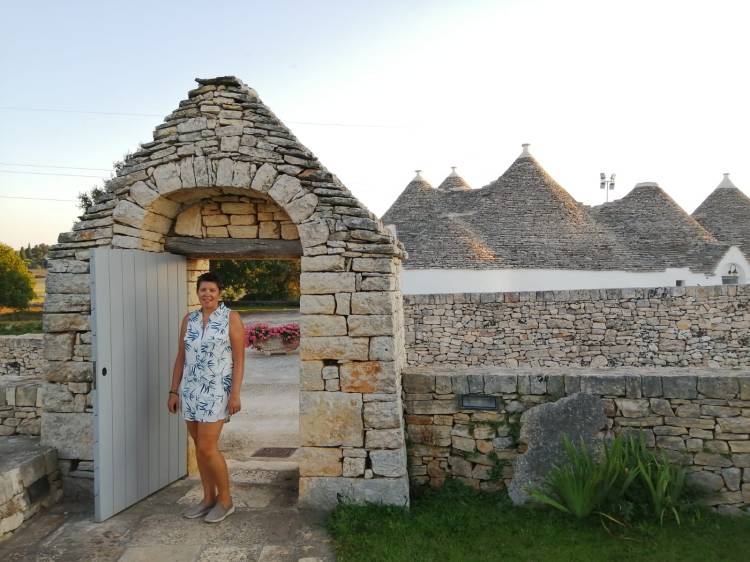
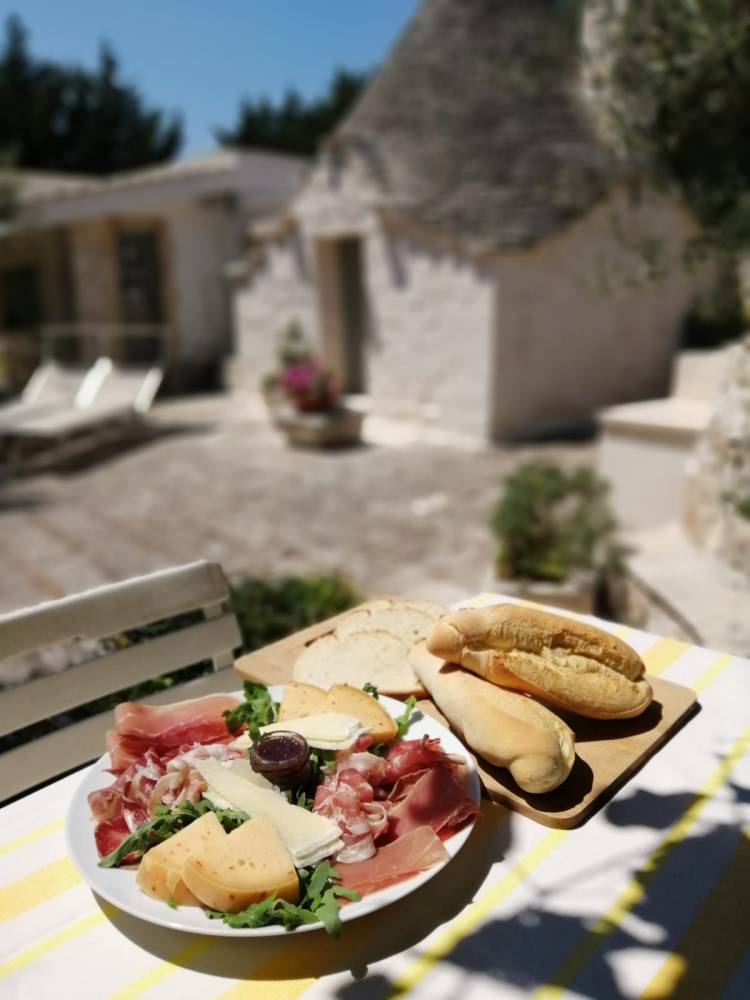
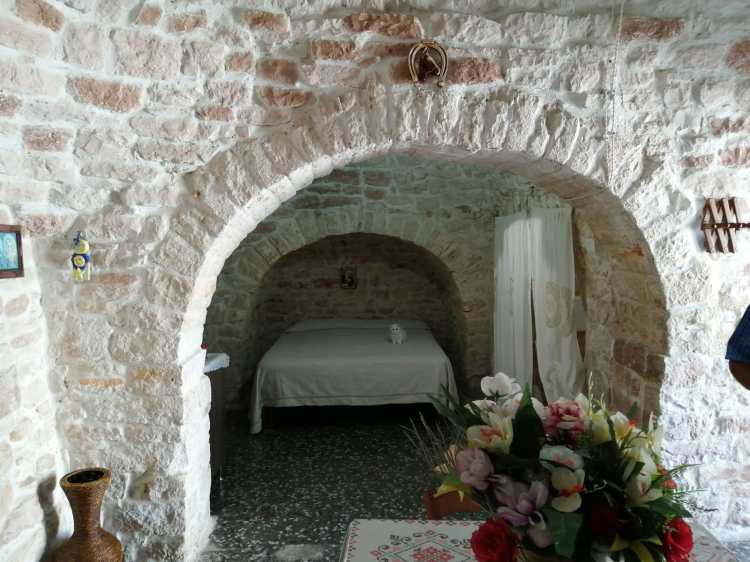
The final part of our road trip around northern Puglia took us deep in to the heart of the Itria Valley and ‘Trulli’ country. Trulli are cute little dwellings that look as if they’re constructed just for gnomes! They are limestone, mortarless buildings that have been built using a method of construction that dates back thousands of years. Originally built as tombs or store buildings all over the Itria valley, thanks to the large limestone blocks that are found in every field, their number increased in the 16th century when the current count of Conversano of the Acquaviva d’Aragona family, the feudal lords of the area, dictated that the people construct their homes in this manner so that they can easily be torn down and thus avoid paying the newly introduced tax on all unauthorised settlements. In the 1700’s the feudal system was abolished and the construction of Trulli declined. Alberobello is known as the capital of the trulli, due to the 1500 or so that spill down the hillside in the town, some dating back to the 14th century. As we headed south on our journey from Castel del Monte, the landscape became more fertile and more populated, with little clusters of trulli popping up more and more regularly. It was a delight driving along and spotting the conical roofs poking up out of the olive groves, their white washed walls a stark contrast against the bright blue sky. It was a trullo that we were headed for, just outside Alberobello. Yearning for a proper bed and an inside bathroom, our base for the next couple of days was Trulli Villa Gloria. It’s a recently renovated trullo with an extension containing a bathroom and kitchen, situated in it’s own secluded olive grove with everything you could possibly need for a self catering stay. Signora Rosa and Signor Michele were fabulous hosts, the language barrier not a problem with sign language and lots of nodding and smiling on our part! Rosa brought us a delicious breakfast each day and even when I locked us out, had to climb over the wall and walk the mile or so up the road to her house to embarrassingly ask to be let back in, she had a smile on her face and nothing was too much trouble.
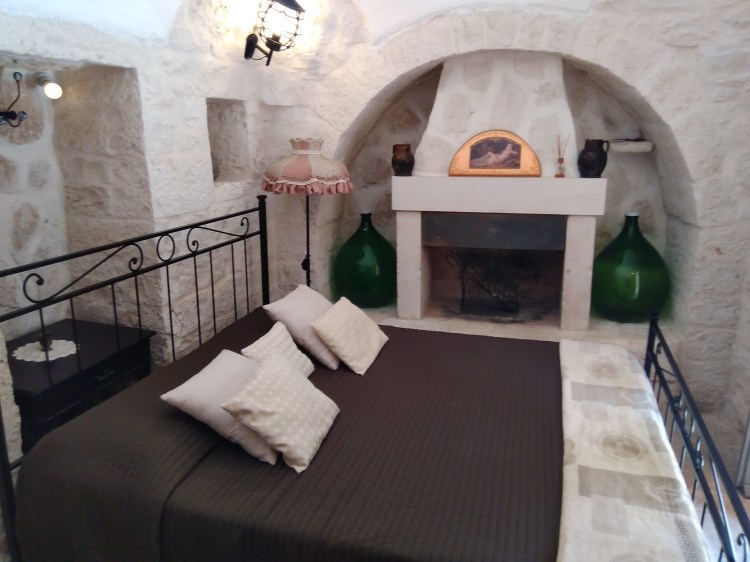
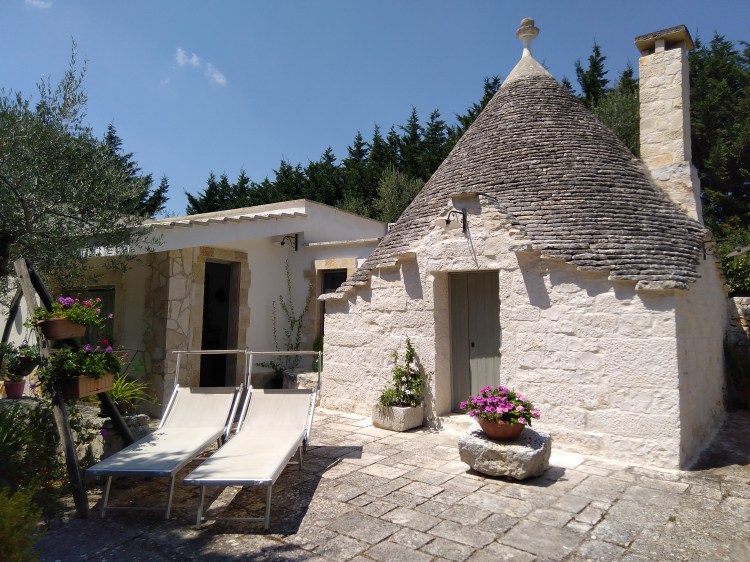
Our Trullo 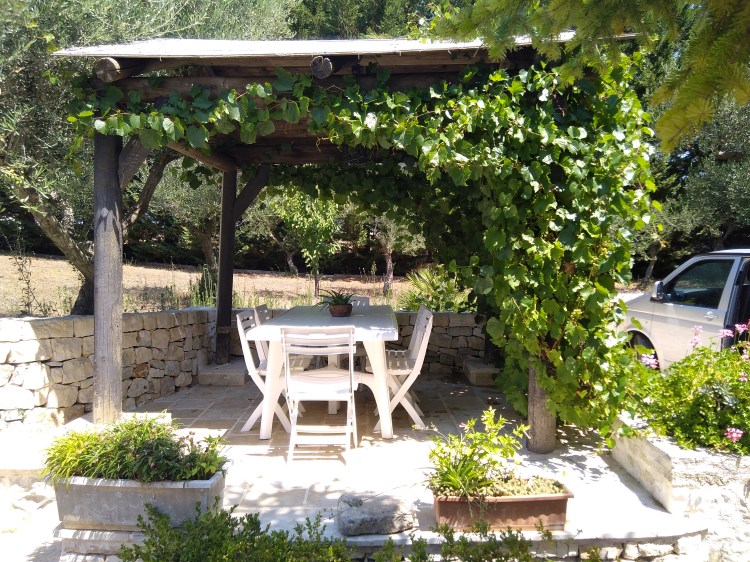
From here we visited a few of the local towns including Alberobello which is now a big tourist trap, attracting millions of visitors every year. This summer must have been quieter as there was mainly only Italians but we couldn’t believe how busy it was, especially after how quiet the previous destinations were. Luckily we got up early and were exploring the quaint, trulli lined streets before the Italian holiday makers had even had their first espresso. The Rione Monti is the more touristy of the trulli neighbourhoods within the town and has the most trulli cascading down the hillside, most of which are now souvenir shops. But on the hill the other side of the main street is Rione Aia Piccola which is much less commercialised and is like stepping back in time. Many of these 400 dwellings are still inhabited and strolling round this area was delightful.
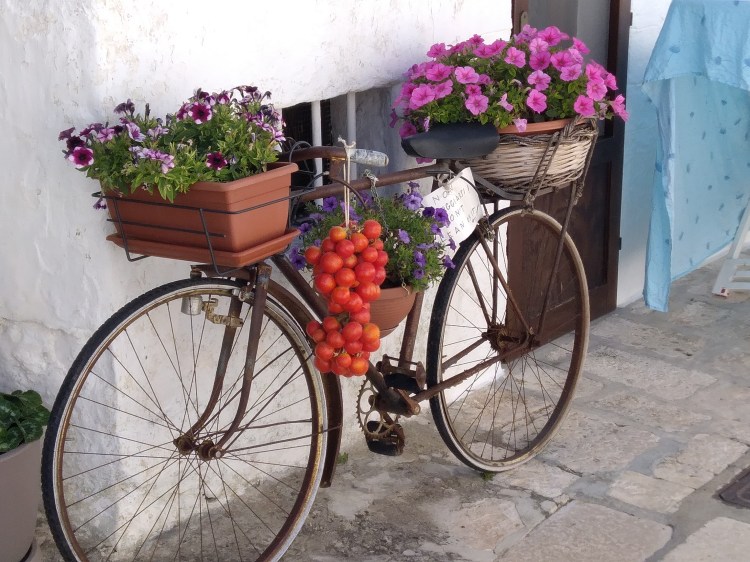
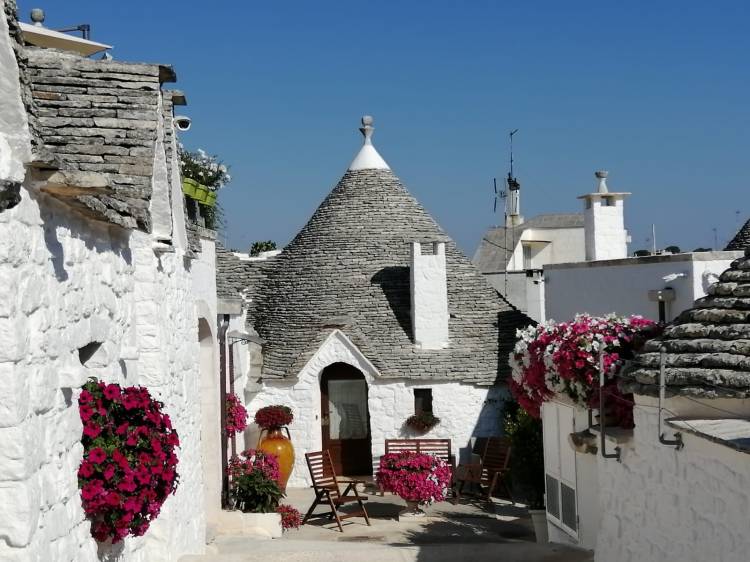
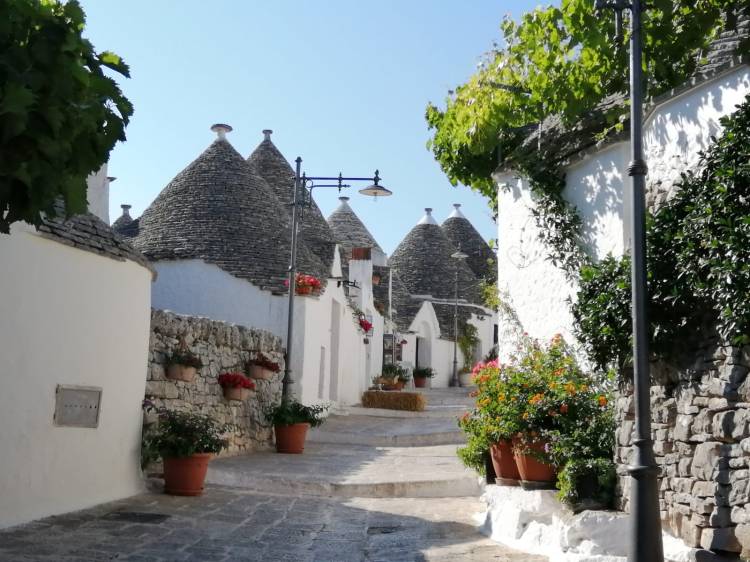
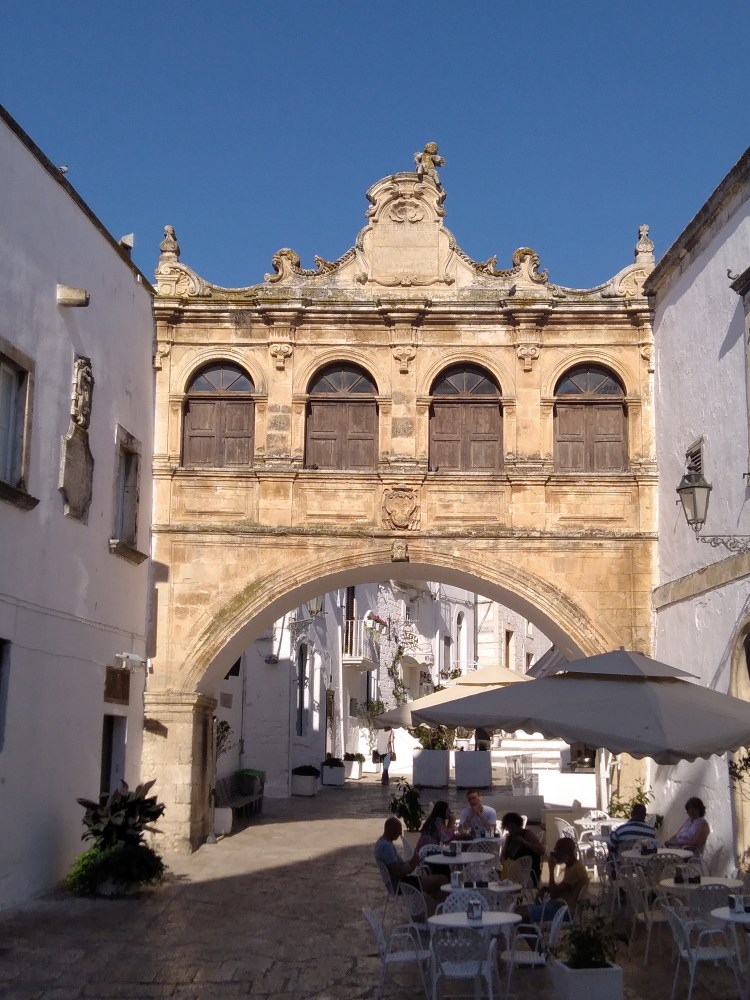
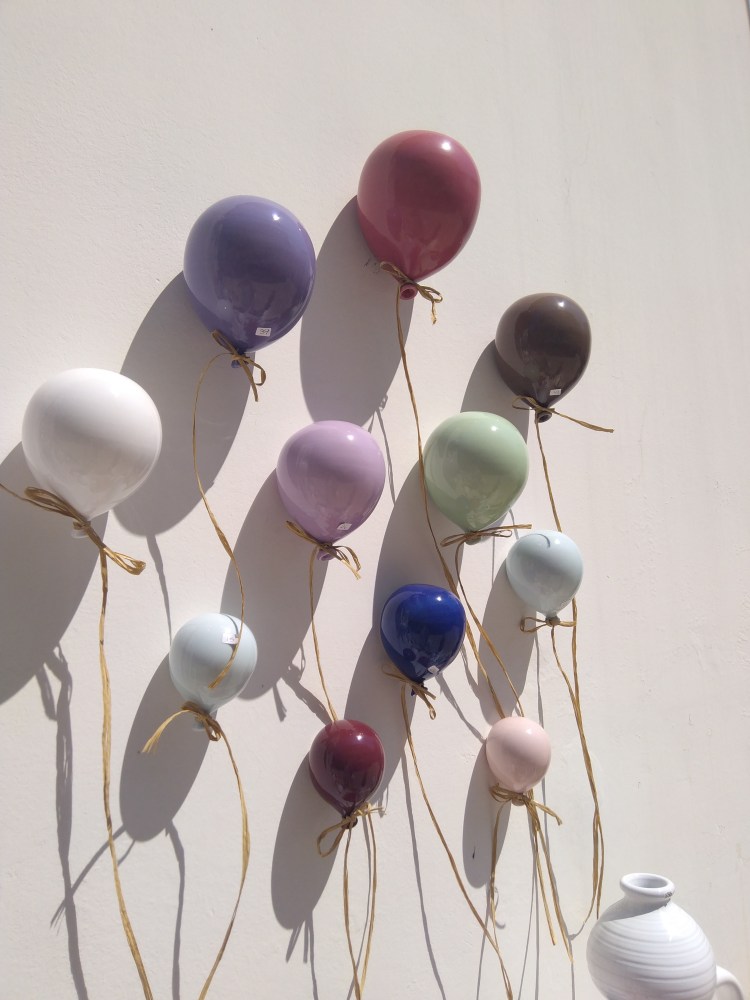
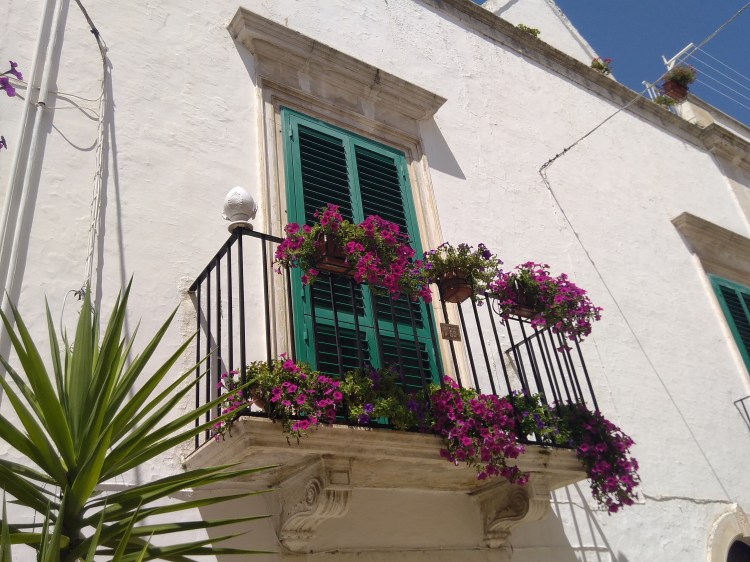
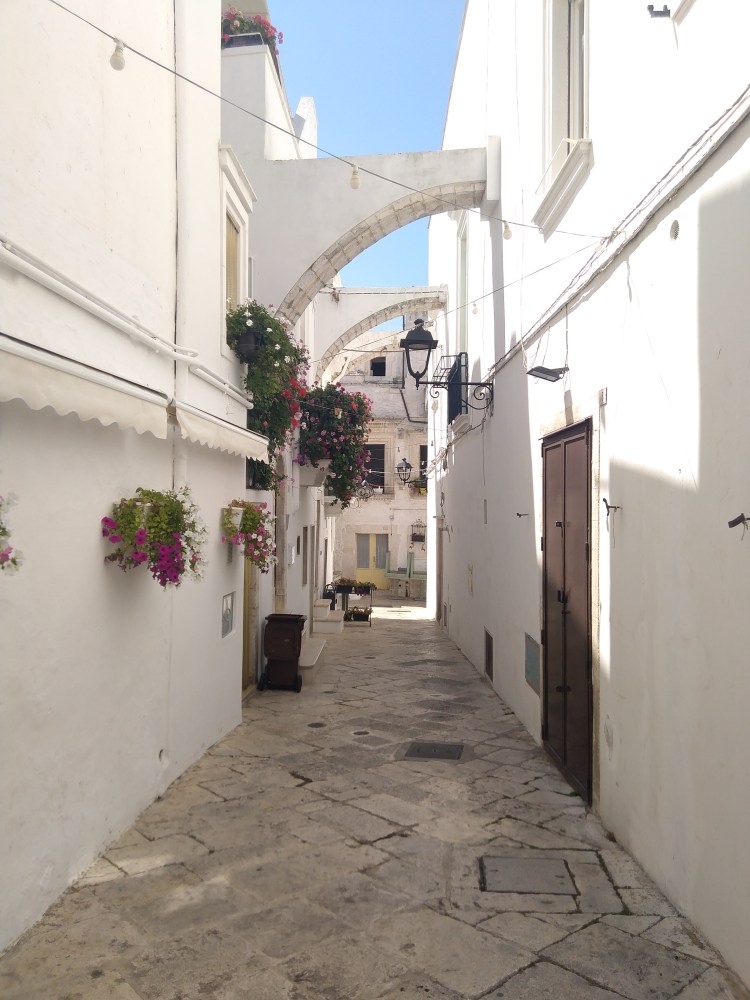
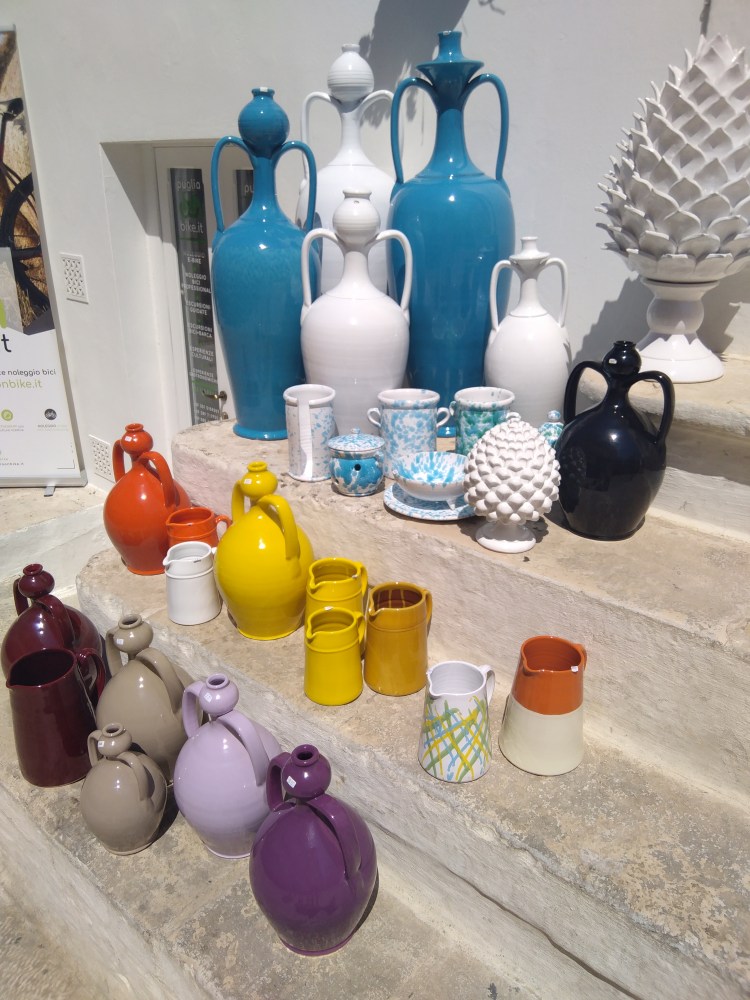
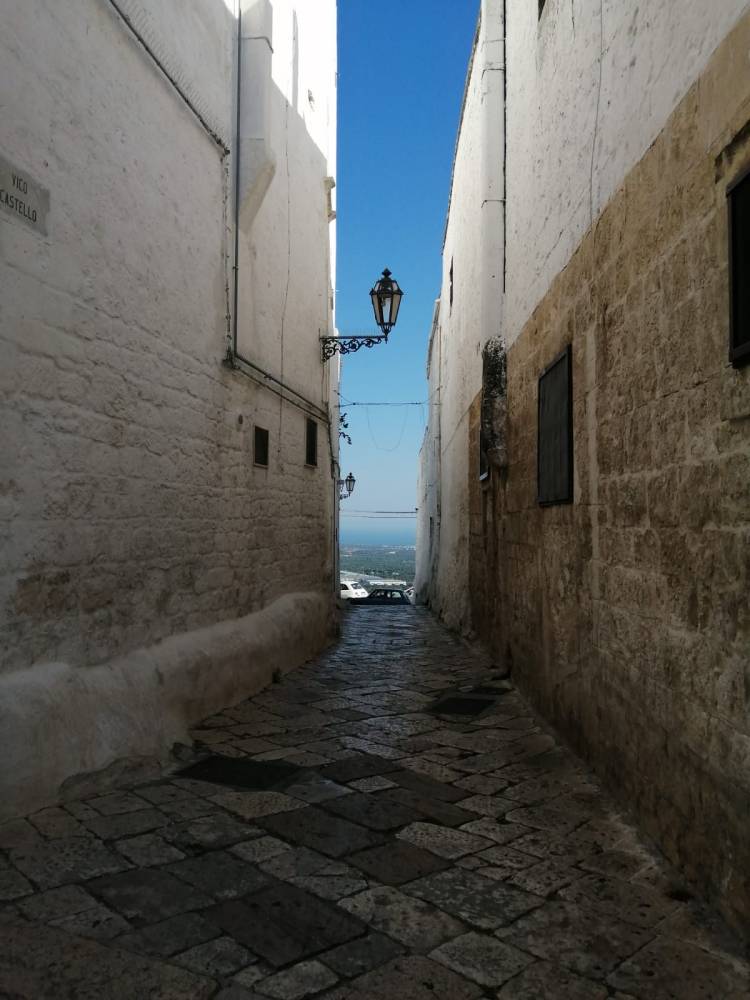
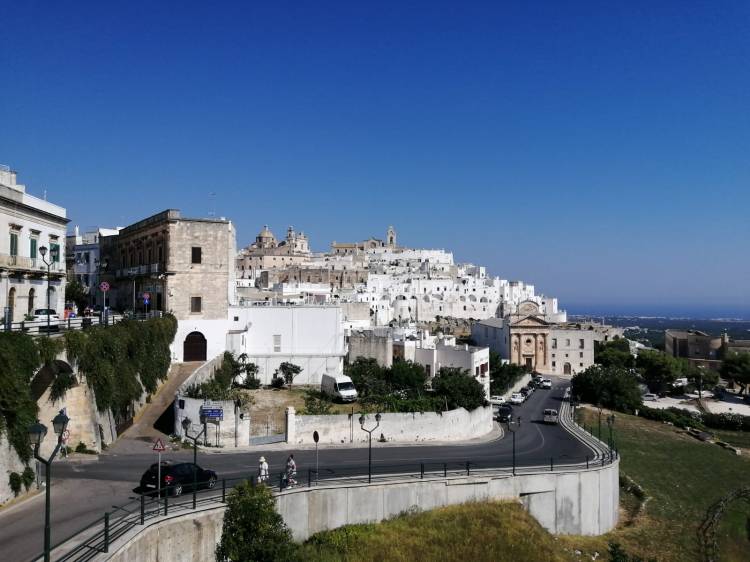
We also visited Ostuni and Locorotundo, both hilltop towns with gorgeous historical centres where the streets narrow and you lose all sense of direction in the labyrinth of steps and alleyways. The white buildings are punctuated by bright pots of flowers or the colourful ceramics which this area is known for.
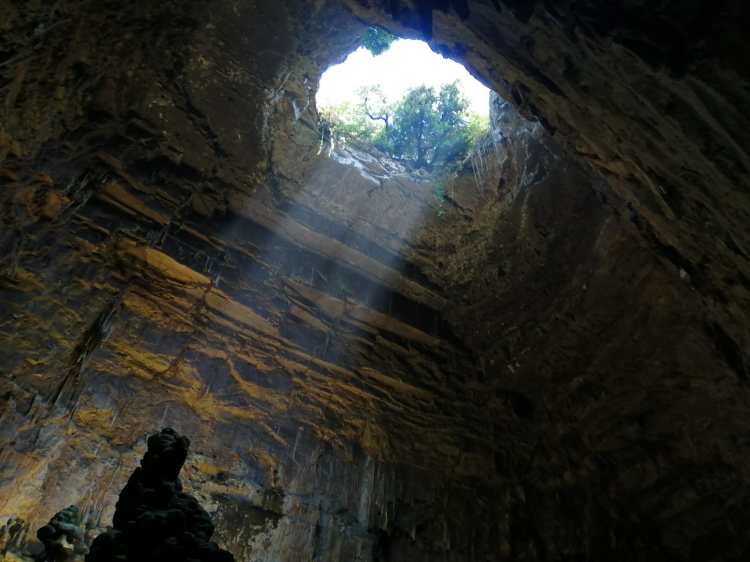
Having had enough of the nearly unbearable heat one afternoon, we decided to go underground and visit the caves at Castellana Grotte. Where we undertook a tour in English which guided us along the 3km of the cave system, deep under the Itria Valley. A truly magnificent natural phenomenon which began to form 90 million years ago! We also learnt from our tour guide that all of the river systems in Puglia are underground due to the porous limestone, a fact which seemed so obvious but not something we’d actually noticed through the lack of rivers!
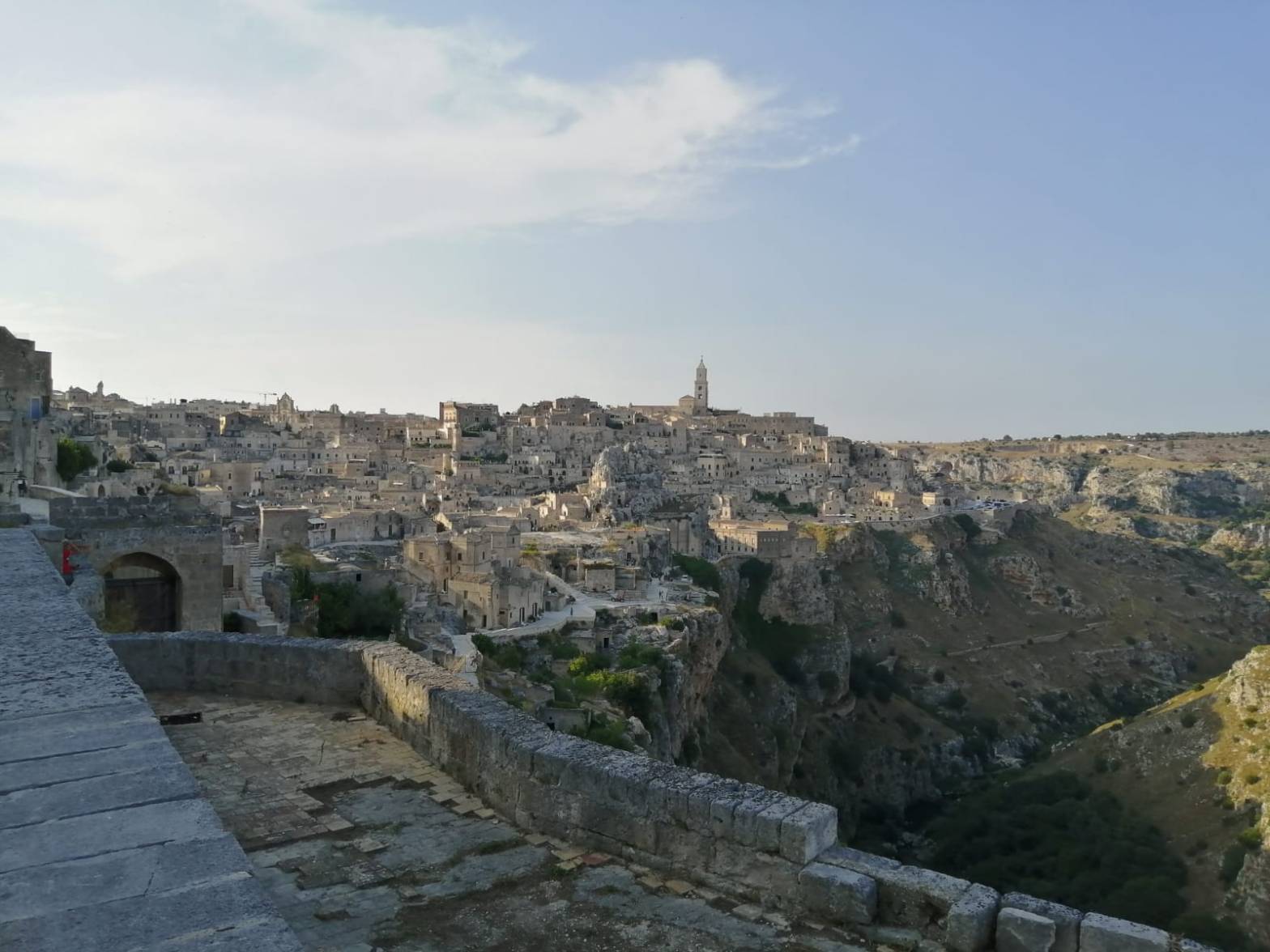
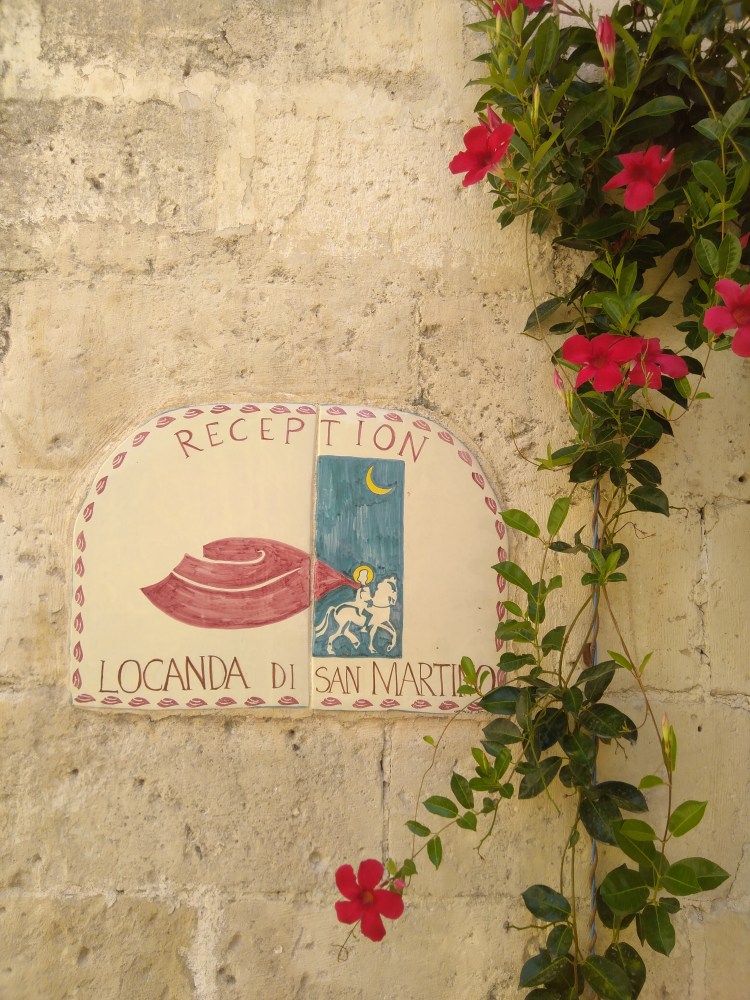
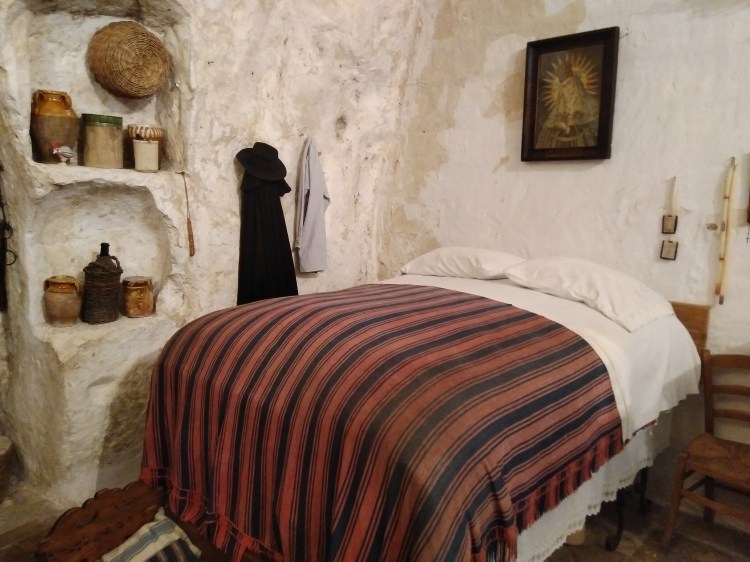
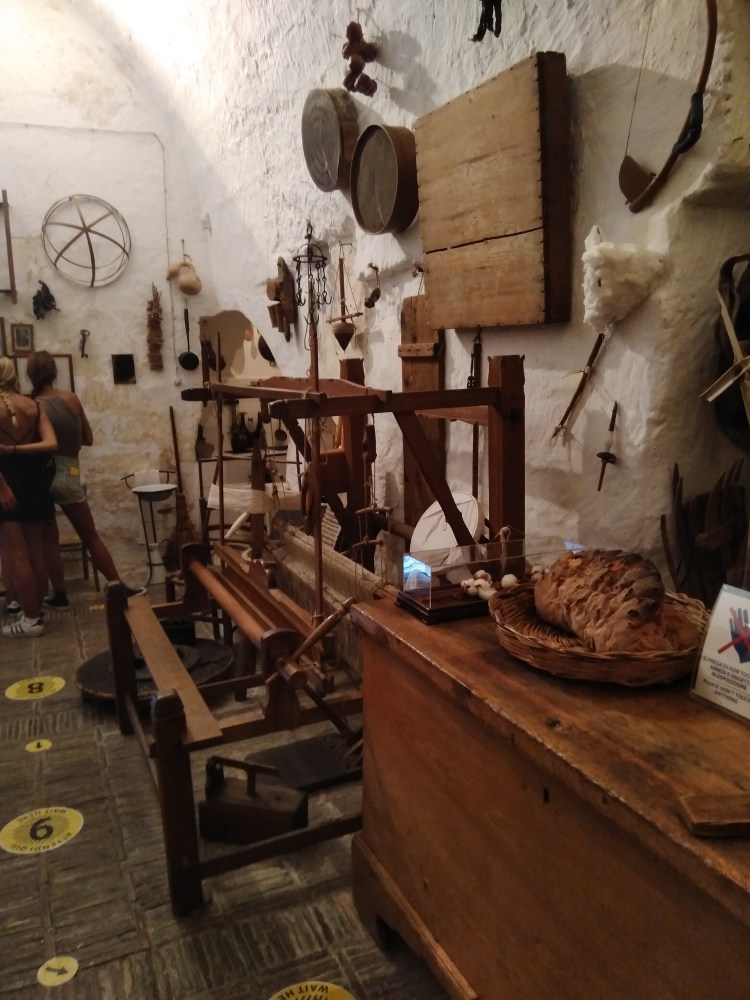
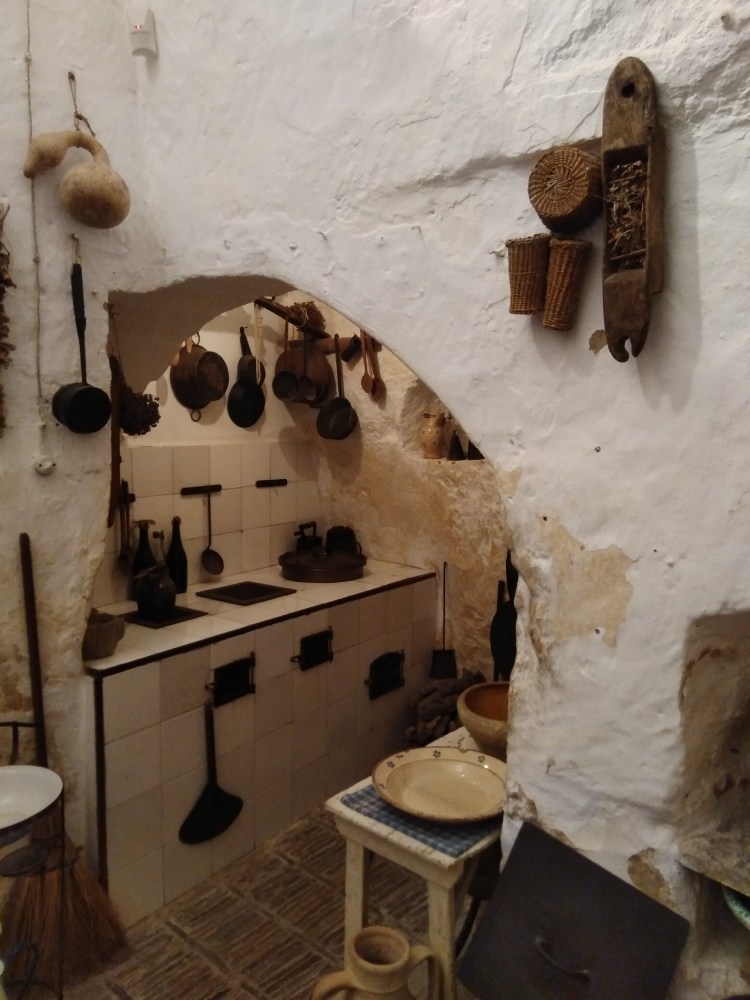
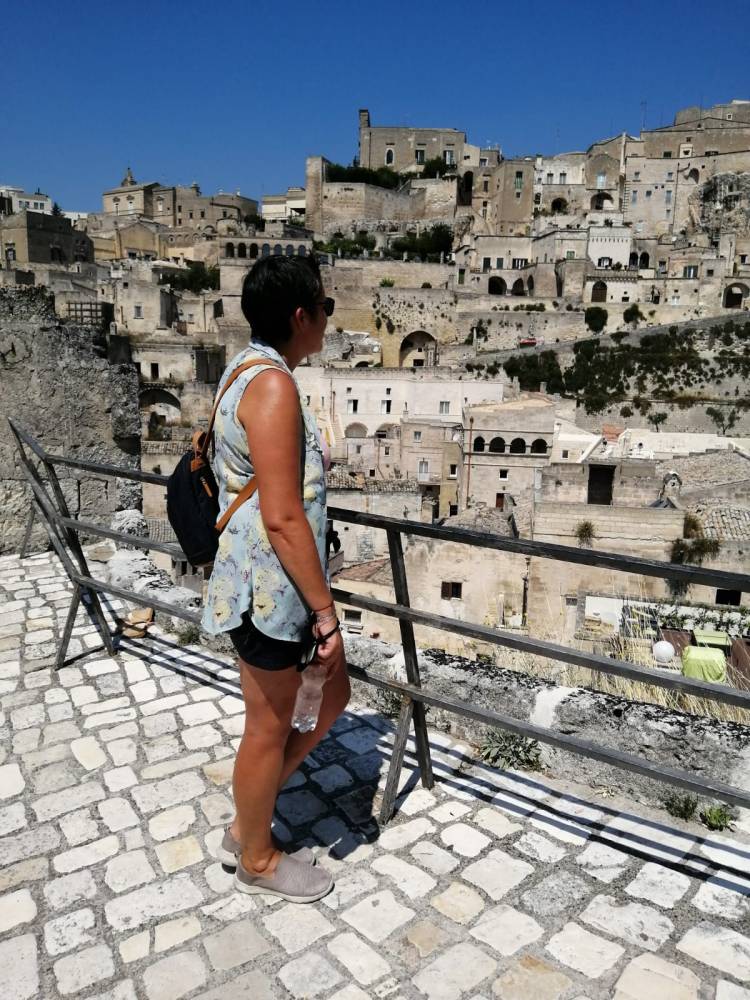
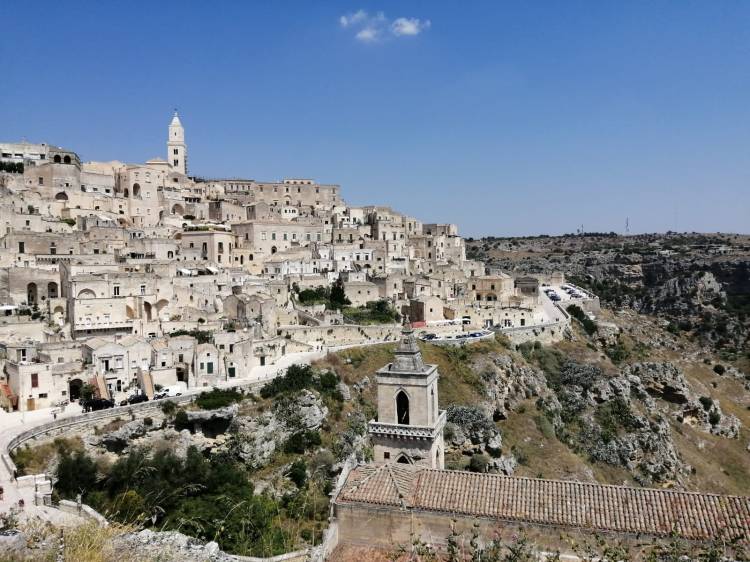
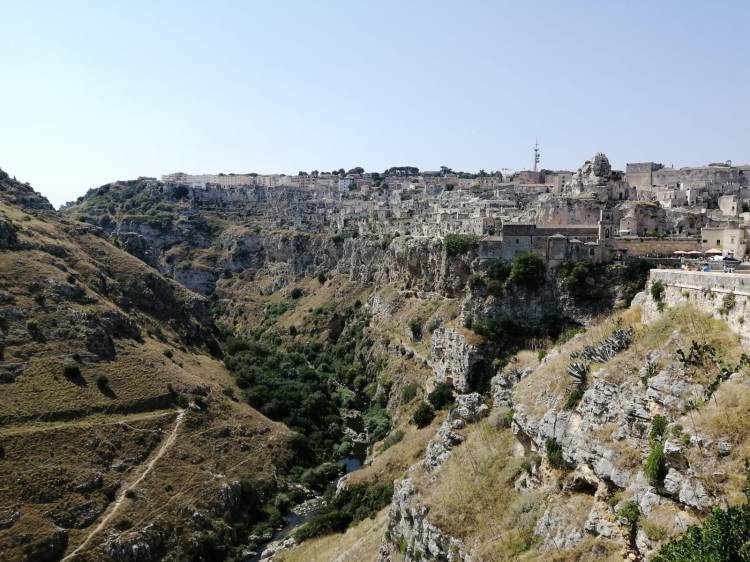
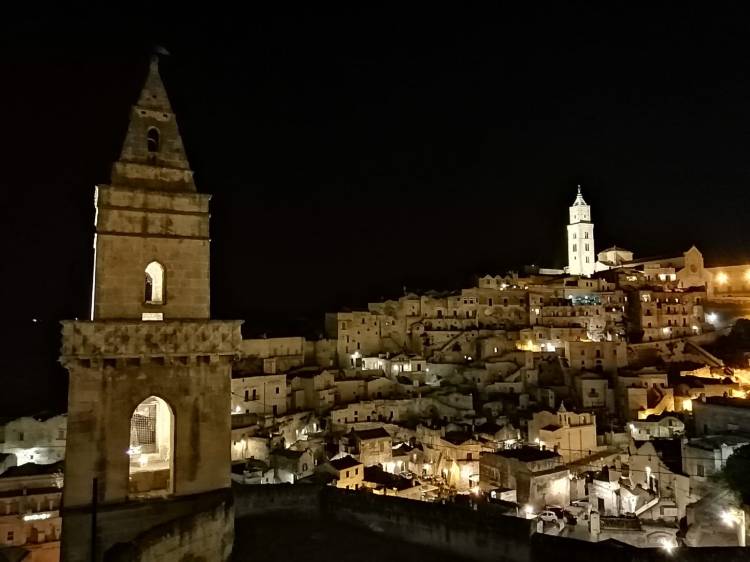
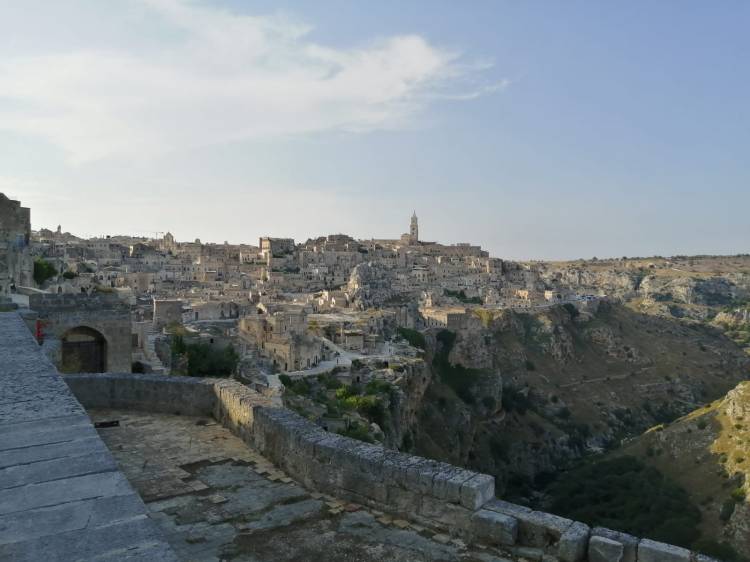
Our final destination on our trip was actually just over the border from Puglia, in Basilicata. The town of Matera seemingly just rises up out of the cliffs. The old town, known as the Sassi, is a tangle of cave dwellings and is thought to be one of the oldest inhabited towns in the world. Originally the natural grottoes were embellished to provide homes for locals and as the settlement grew, canals and sewage systems were cleverly installed. The town was the prosperous centre of Basilicata from 1663 until 1806 when things started to decline. A huge increase in the population forced many inhabitants to resort to poorly sanitised caves that were only really good enough for livestock. The rocketing population increase and terrible living conditions forced infant mortality rate to 50%. It became such a scandal that finally the authorities stepped in and during the late 1950’s the 15,000 inhabitants were relocated to new government housing. It’s shocking to think that in such recent times this happened. The town lay deserted for a number of years until a recent regeneration; it was listed as a UNESCO World Heritage Site in 1993 and exploded on to the tourist map with a plethora of hotels and restaurants all offering a cave dwelling experience. It’s haunting past makes for a very thought provoking wander around the town, where you want to take delight in so many aspects but feel so sorry for the thousands of people that lived and died there. We stayed in a lovely hotel called Locanda di San Martino which contained a thermae spa below it’s ground floor flagstones which dates back to Roman times. The town was really quite busy and because of it’s inland position the temperatures were soaring. So a walk round and a visit to a traditional cave dwelling was about all that we managed. But the following morning we got up early and made our way through the quiet streets to a footpath that zigged zagged it’s way down from the town in to the adjacent gorge, across a rope bridge and up the cliff the other side. It was the best time of day to do it as the gorge was still in shade and we witnessed the rising sun hitting the side of the Sassi, lighting up the whole town. It was well worth the hike! That heralded the end of our trip, so after breakfast we hit the road and spent the journey marvelling at the wonderful places we visited….and of course planning a return trip or two!
 Brand New Day
Great read with wonderful photo Sohappyfor you both xx
LikeLike