They say you never visit the places that are right on your doorstep. We don’t want to get to the end of our time out here and rush to visit places that are yet to be ticked off the list. Or worse still, not get there at all! Some of the major tourist attractions we were leaving until family and friends visit, but as things are at the moment, who knows when that will be. So with a week off work for Mr BND we took the proverbial bull by the horns and made a start by getting our geek on.
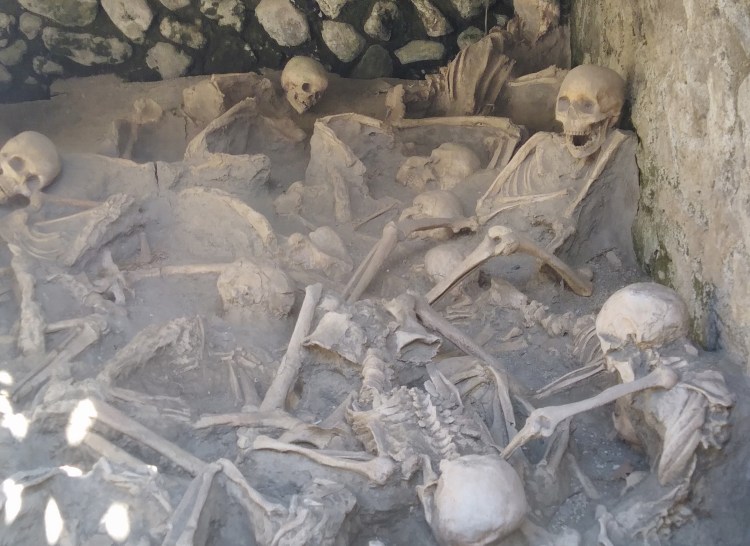
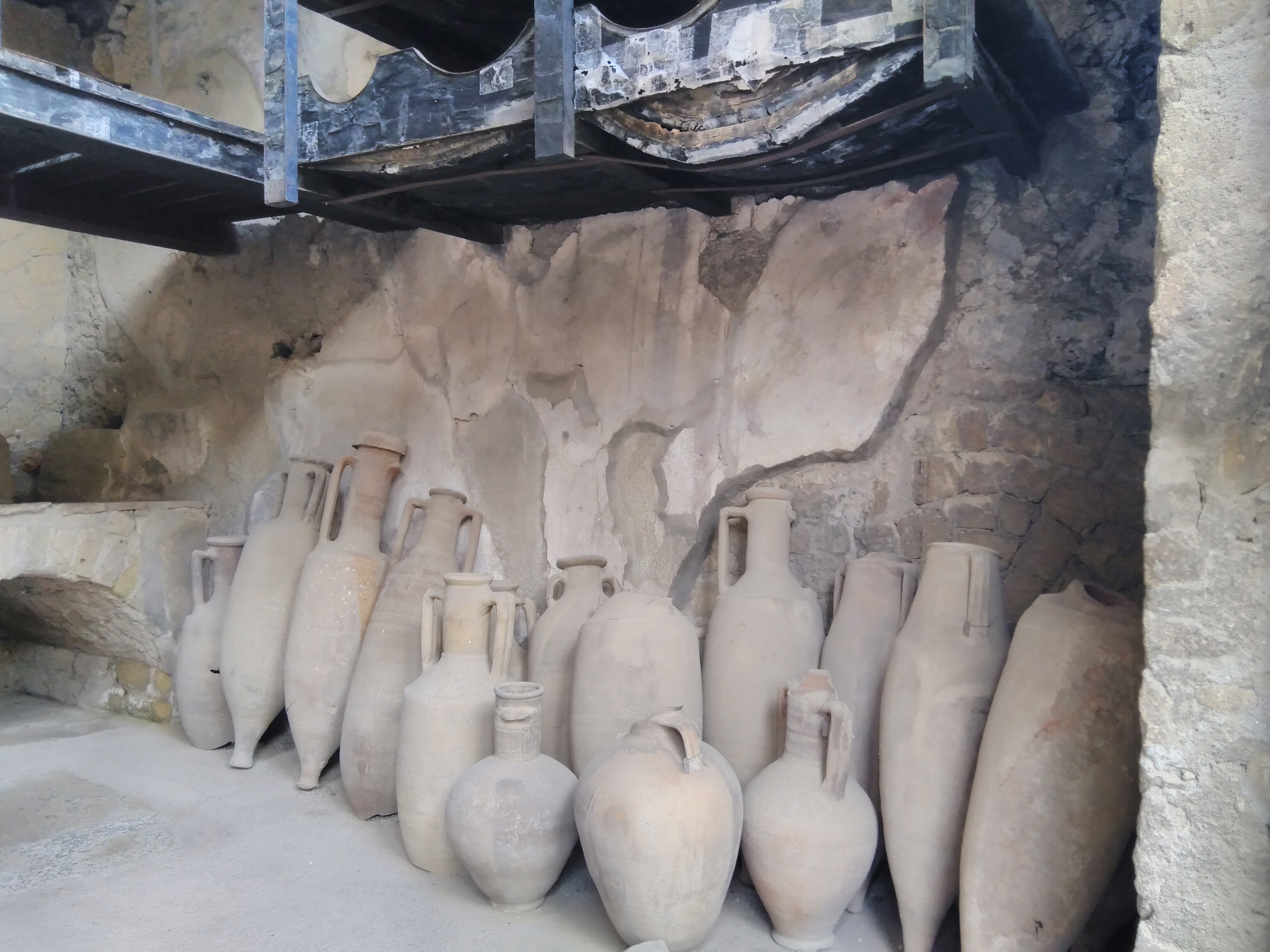
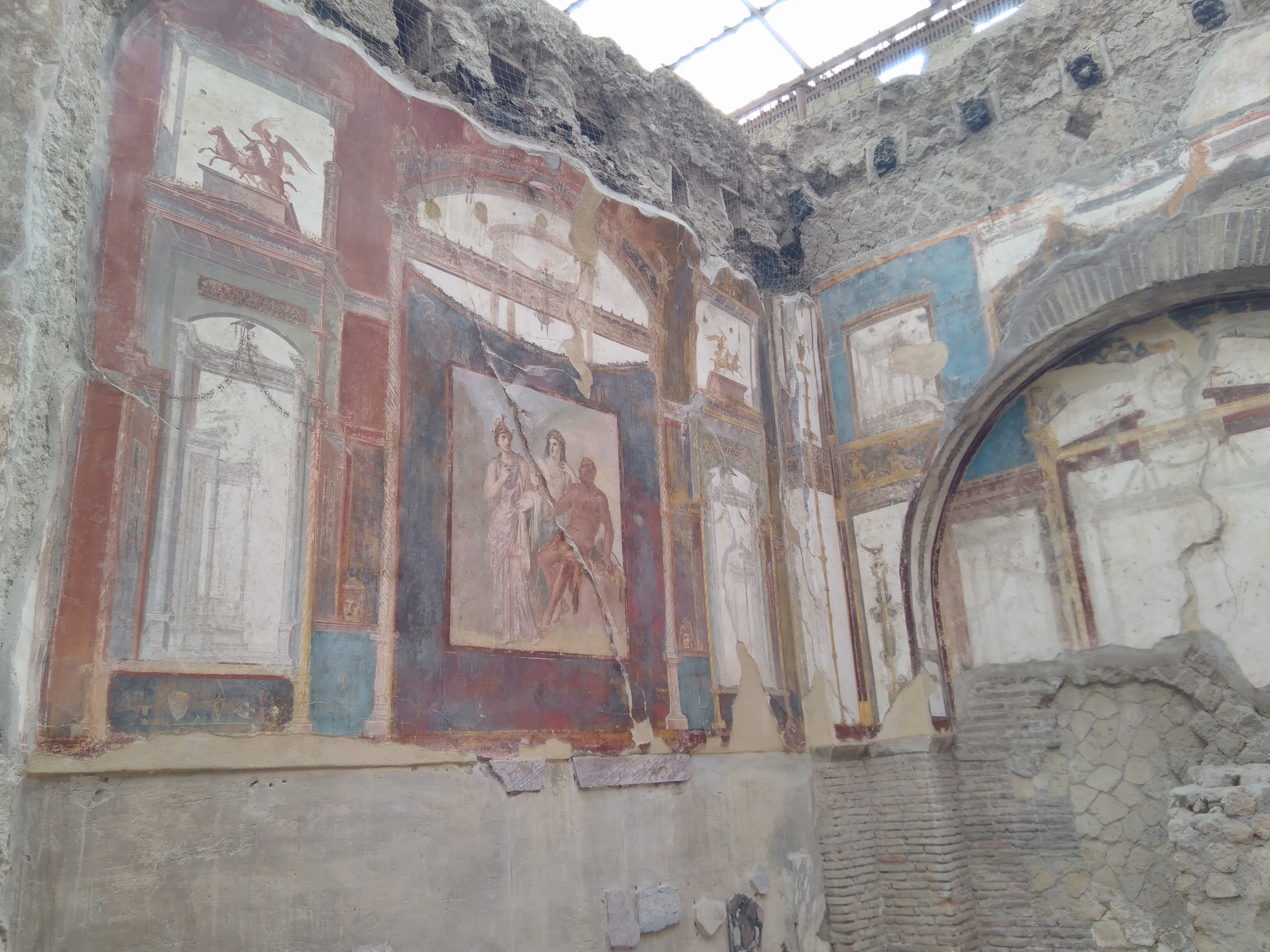
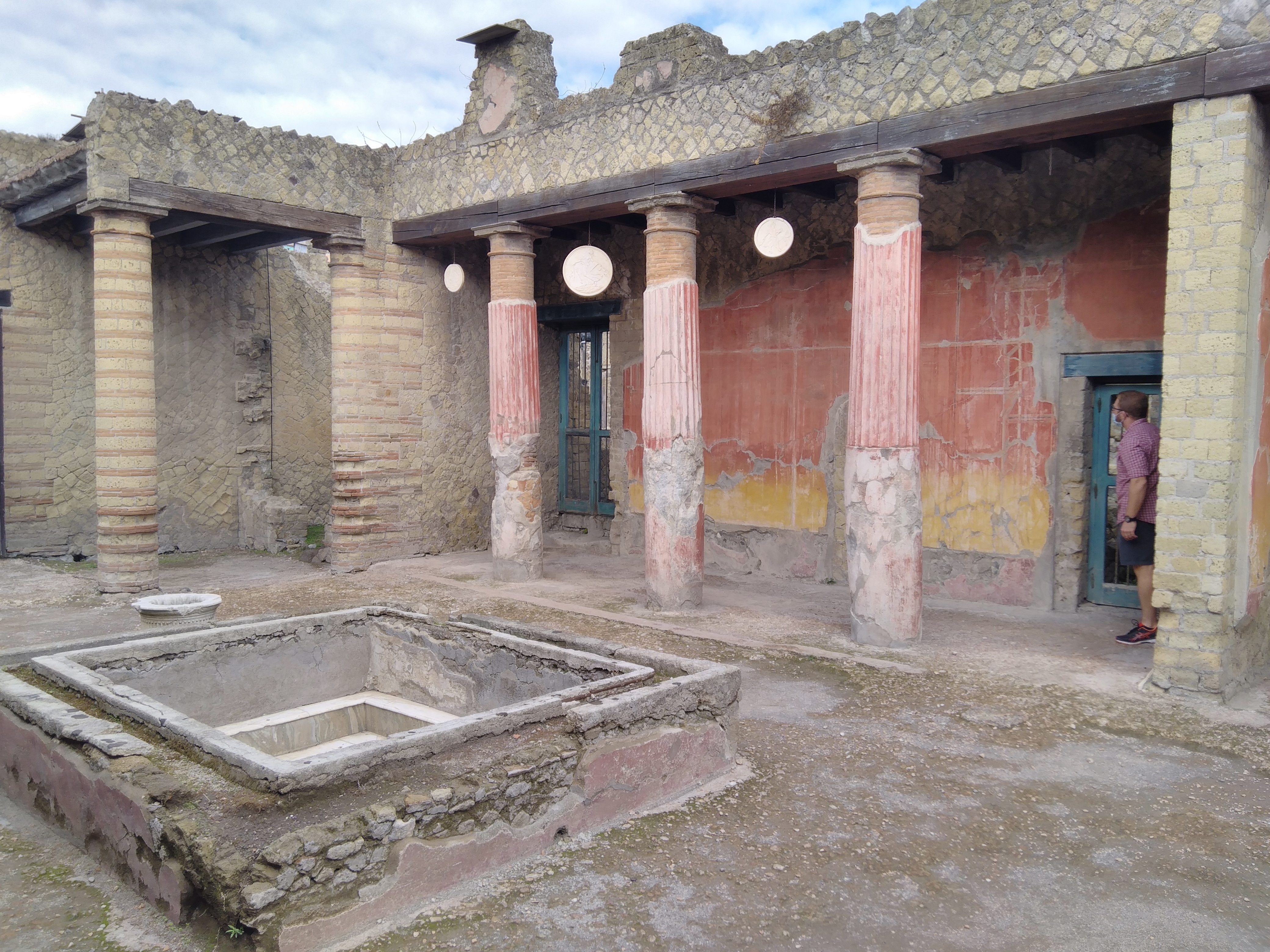
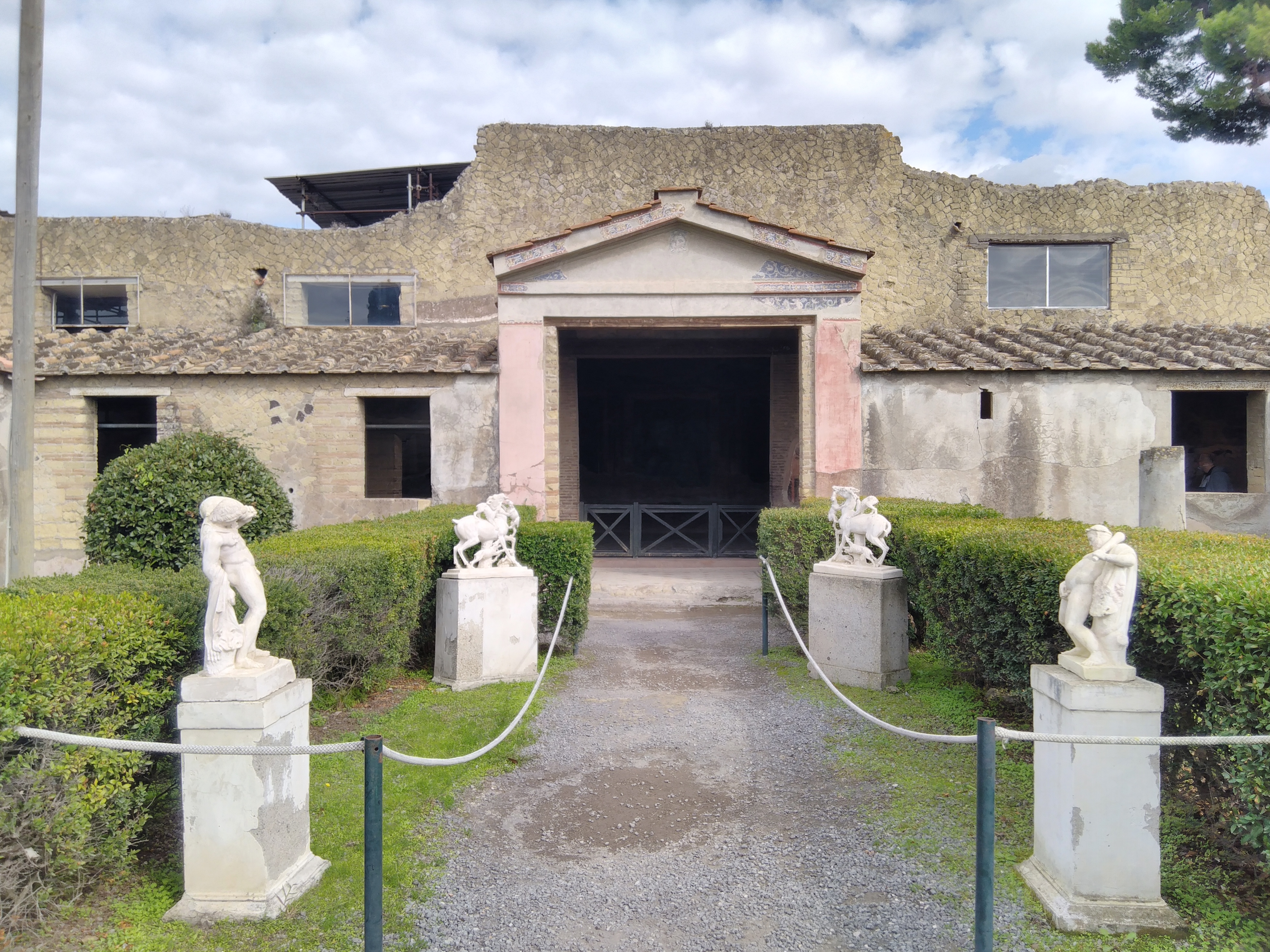
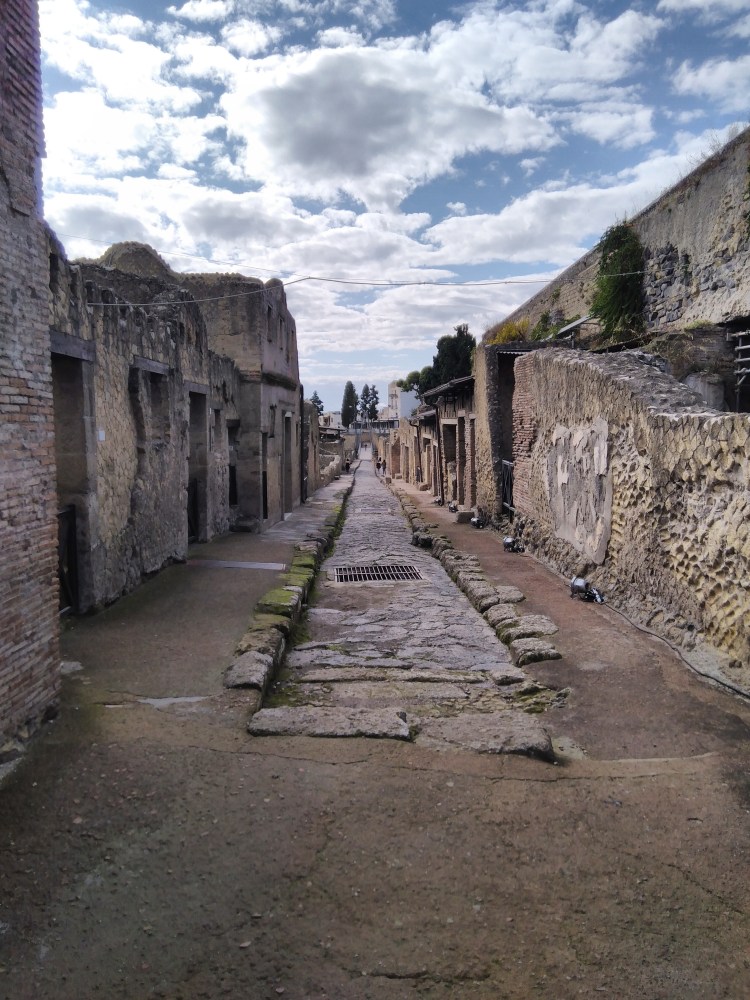
First stop on the tourist trail was Herculaneum. With both of us being huge history fans we could have spent much longer here than we did. In fact we’d happily have moved in! A bit draughty during winter but worth it I’m sure! This famous Roman town is often overlooked by it’s larger counterpart down the road: Pompei. However, Herculaneum is praised for being much more intact, giving a more true representation of Roman life. I was amazed at how well preserved this town is. Herculaneum is believed to date back to the 7th century BC when the Oscans or the Etruscans built a settlement there. It later became a much more established town after the Romans seized it in 90 BC and it flourished in to a popular resort for rich families due to it’s coastal position. The old shoreline was actually half a kilometre in land from where it is now and the tour of Herculaneum starts at what would have been the coastal dock. If you weren’t giving the place your full attention, you certainly would be after the first stop on the itinerary. The Fornici are the port warehouses where in as recently as 1980, 300 human skeletons were discovered along with all their worldly possessions including jewellery and gold. They were obviously trying to flee after the eruption of Vesuvius in 79 AD and took shelter in these warehouses, where they were tragically killed by the scorching clouds of toxic gas. The ensuing pyroclastic flow perfectly preserved the whole site, solidifying everything in 16 meters of ash and mud. The skeletal remains have been removed but replaced with exceedingly realistic replicas that instantly portray the tragic end this flourishing town met.
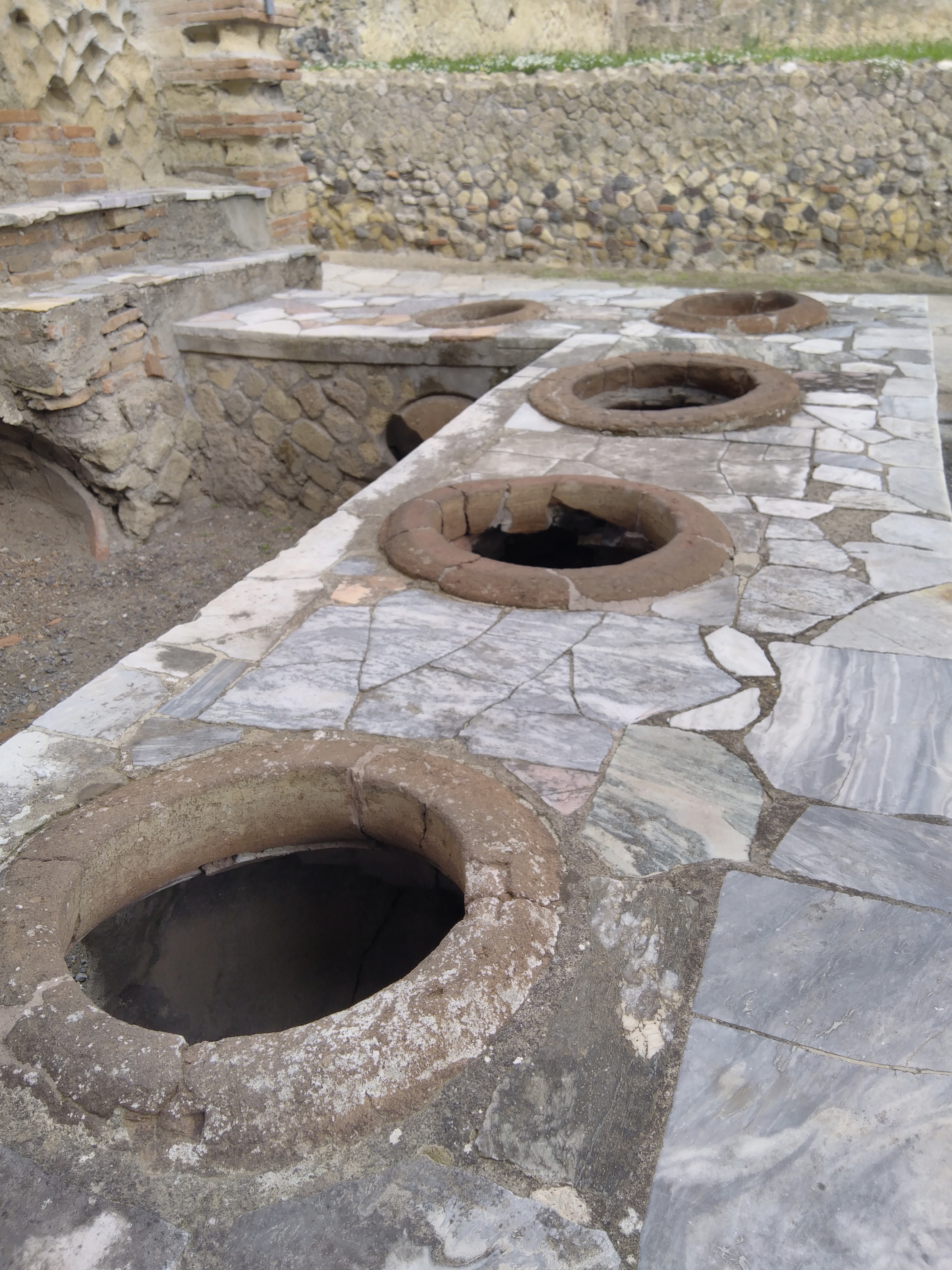
Just wandering around this site is fascinating enough but we found an excellent guide on the website offering in depth information about each part. As well as seeing the beautiful temples and halls, for me the highlights were the buildings that conveyed every day life for the inhabitants. Such as the pub or Taberna, where the counter is still in tact housing dolia (jars) which stored wine and food; the central baths that date from the 1st century BC with their beautiful black and white mosaic floors and wall niches for the storage of their clothes. Then finally the shops, some complete with wooden staircases and mezzanines to the shopkeeper’s living quarters.
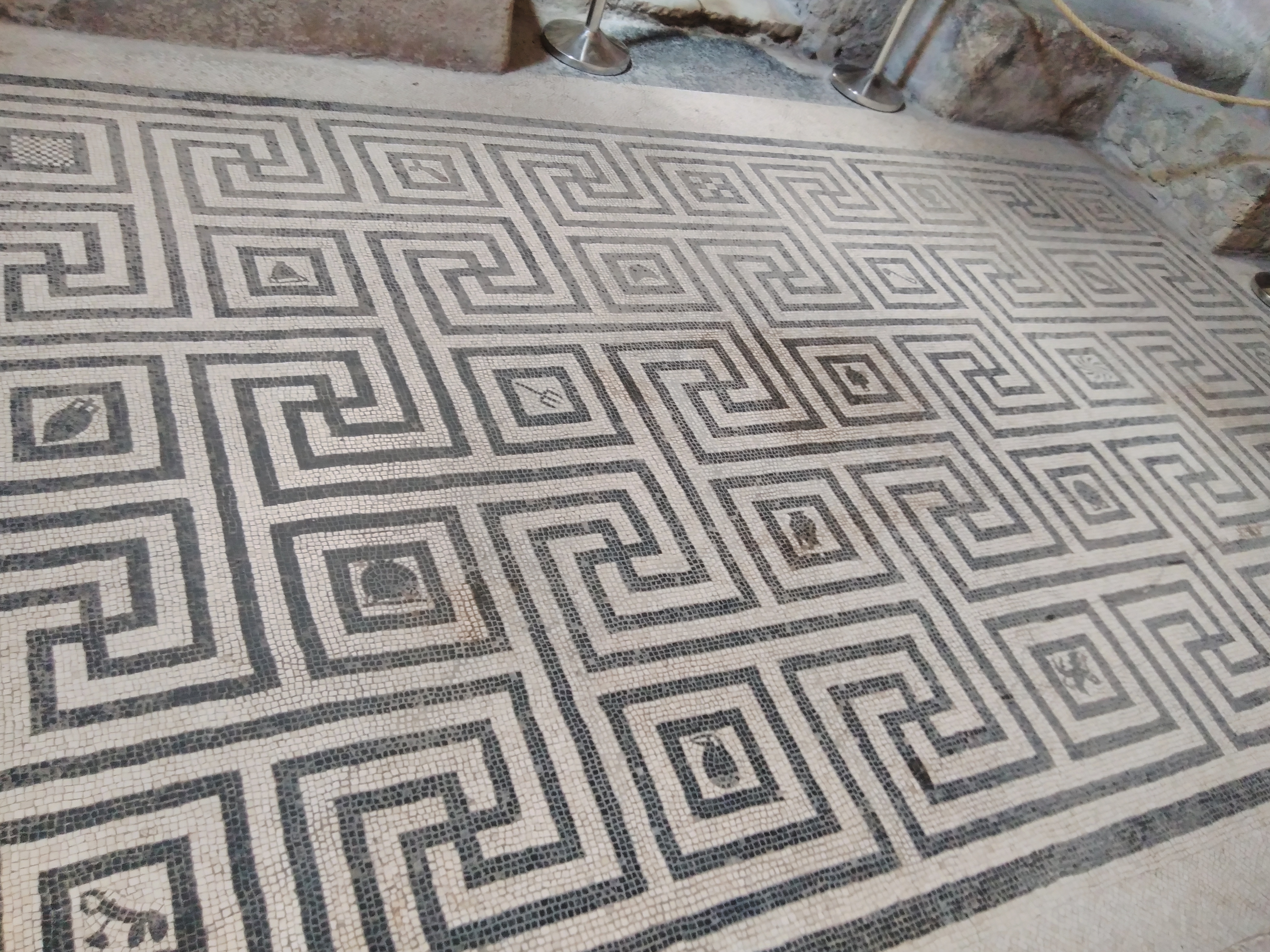
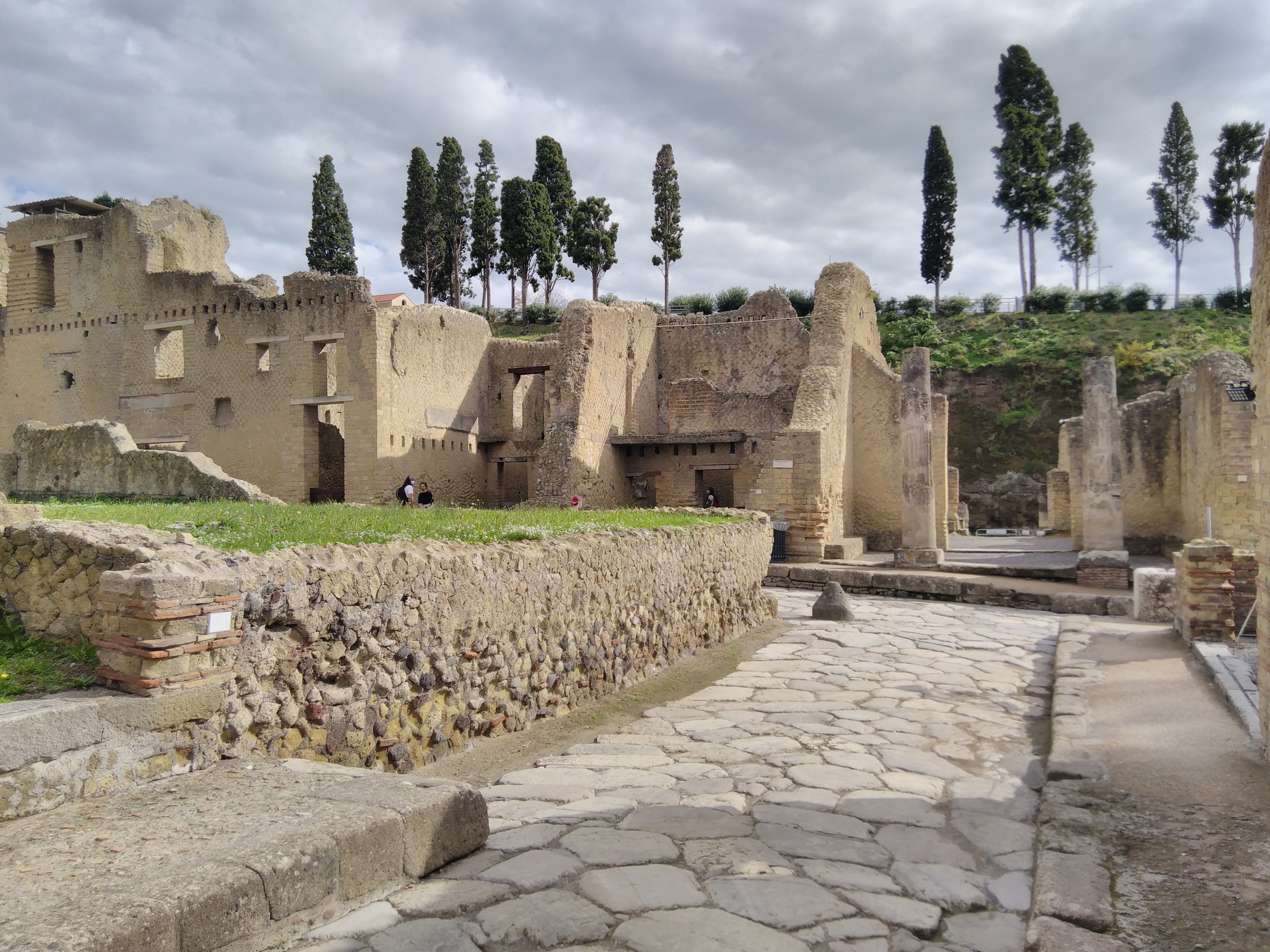
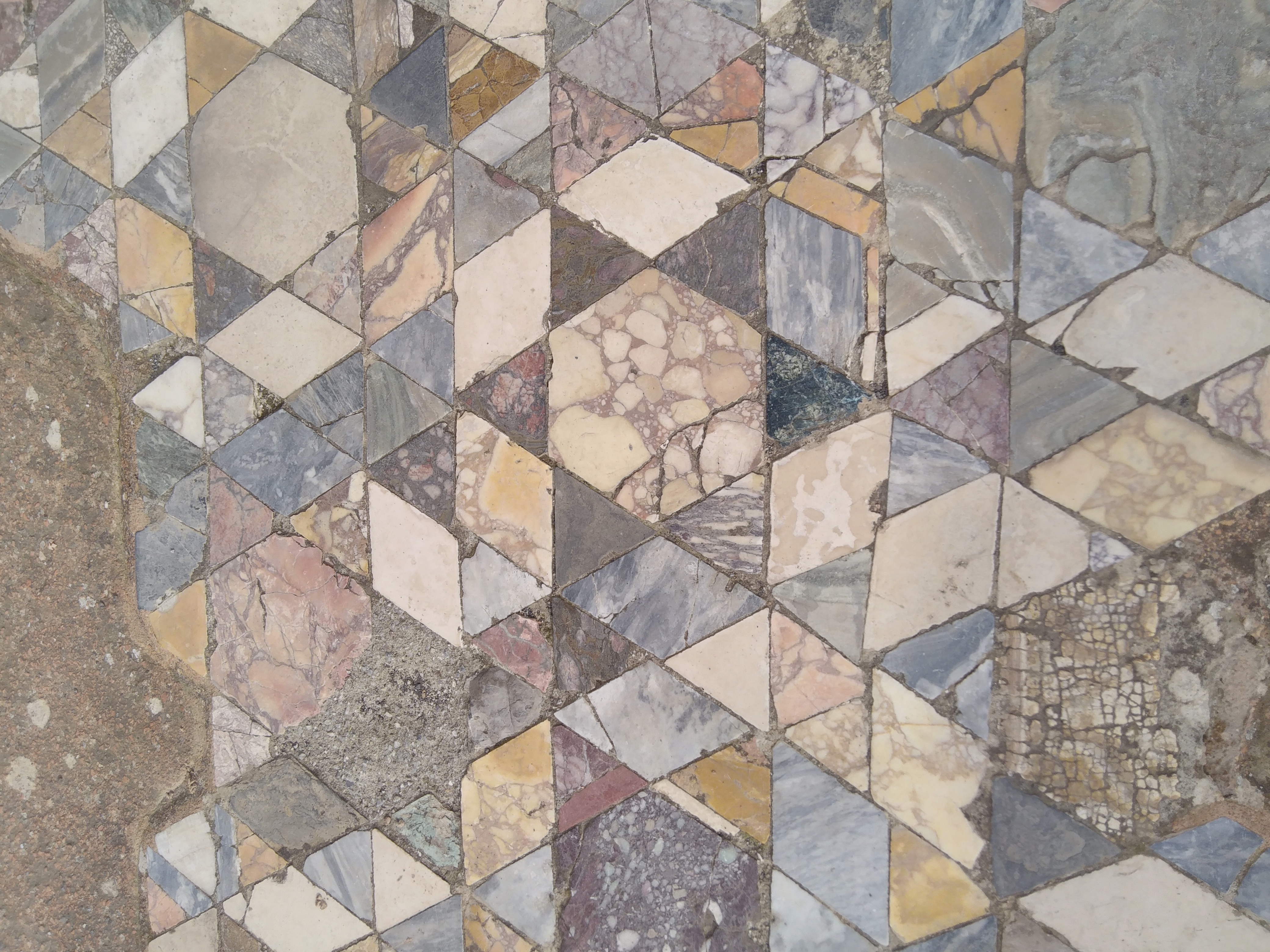
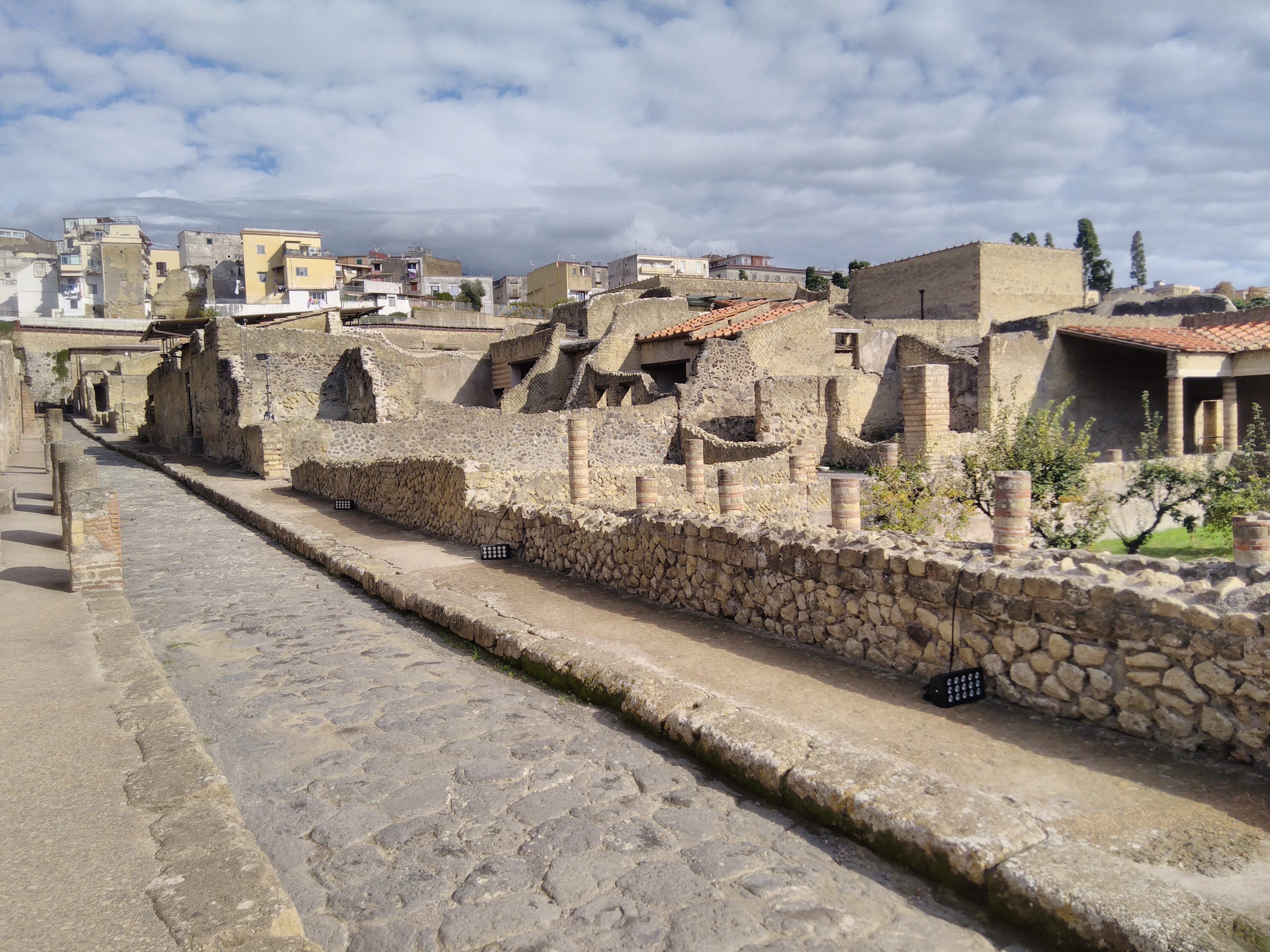
I’d obviously heard about Herculaneum before, but not until I was there, walking through the streets, in the footsteps of a civilisation created an imperceptibly long time ago, the true wonder of the place finally sinks in. What a blessing it was accidentally discovered whilst a well was being dug in 1707.
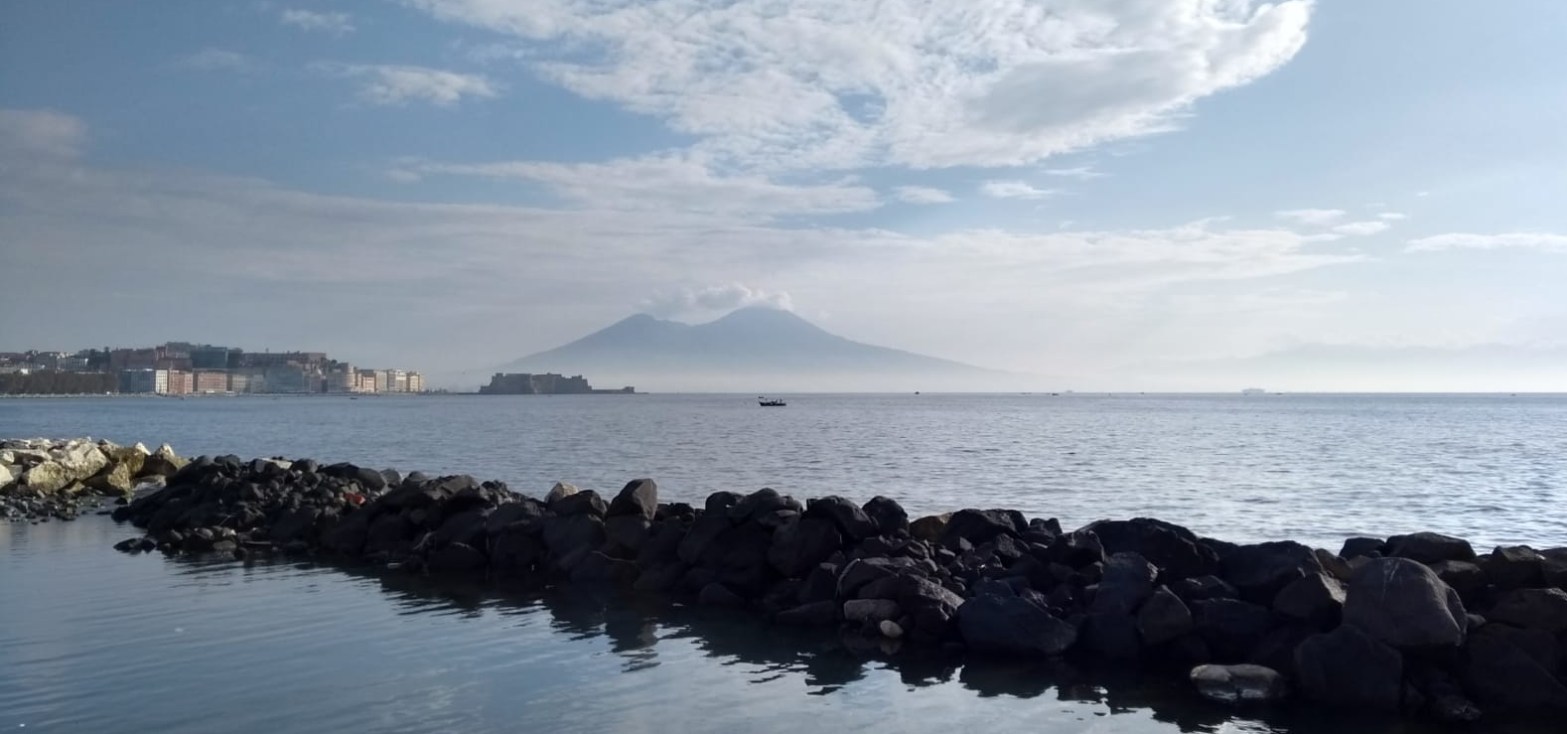
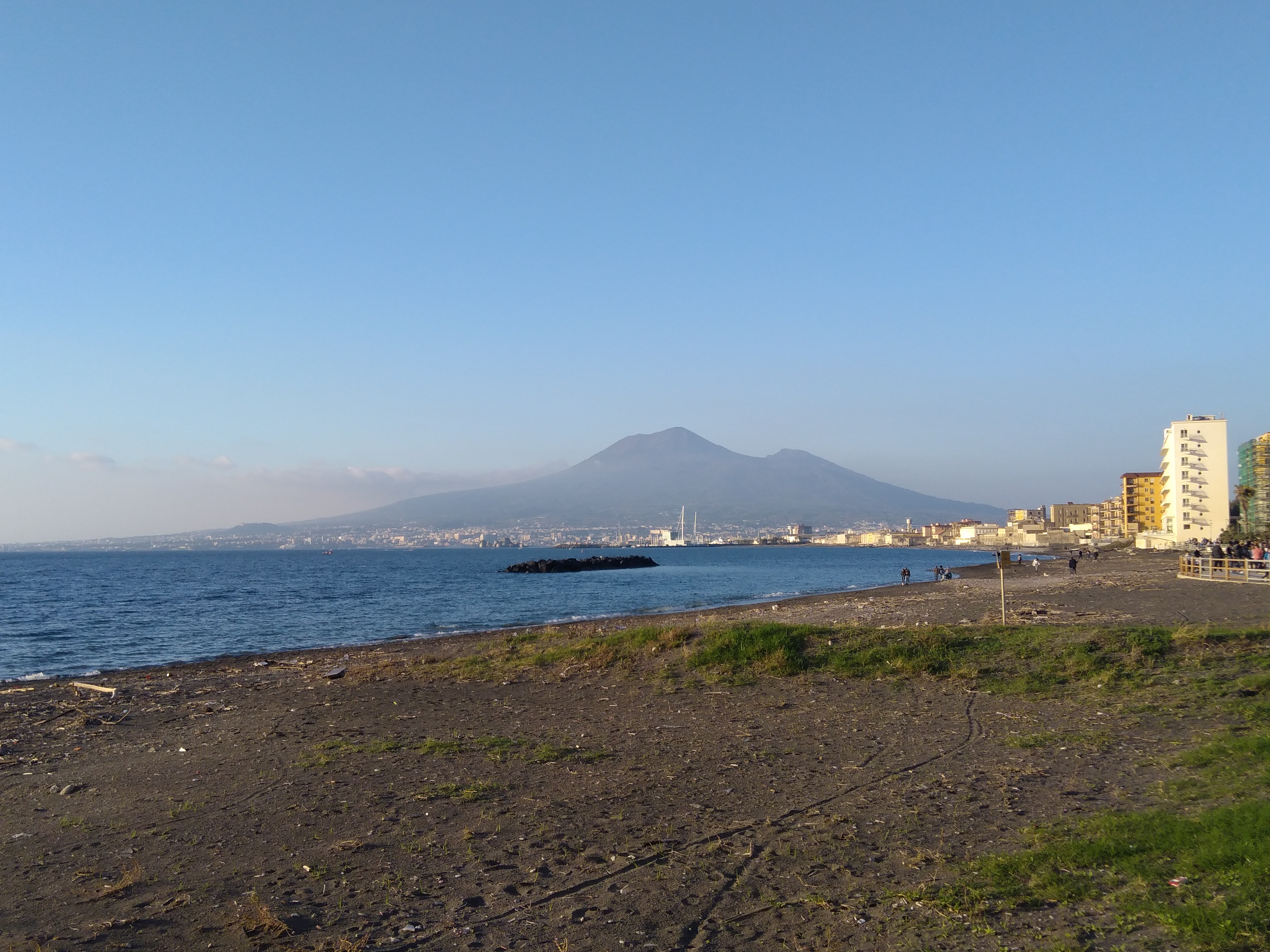
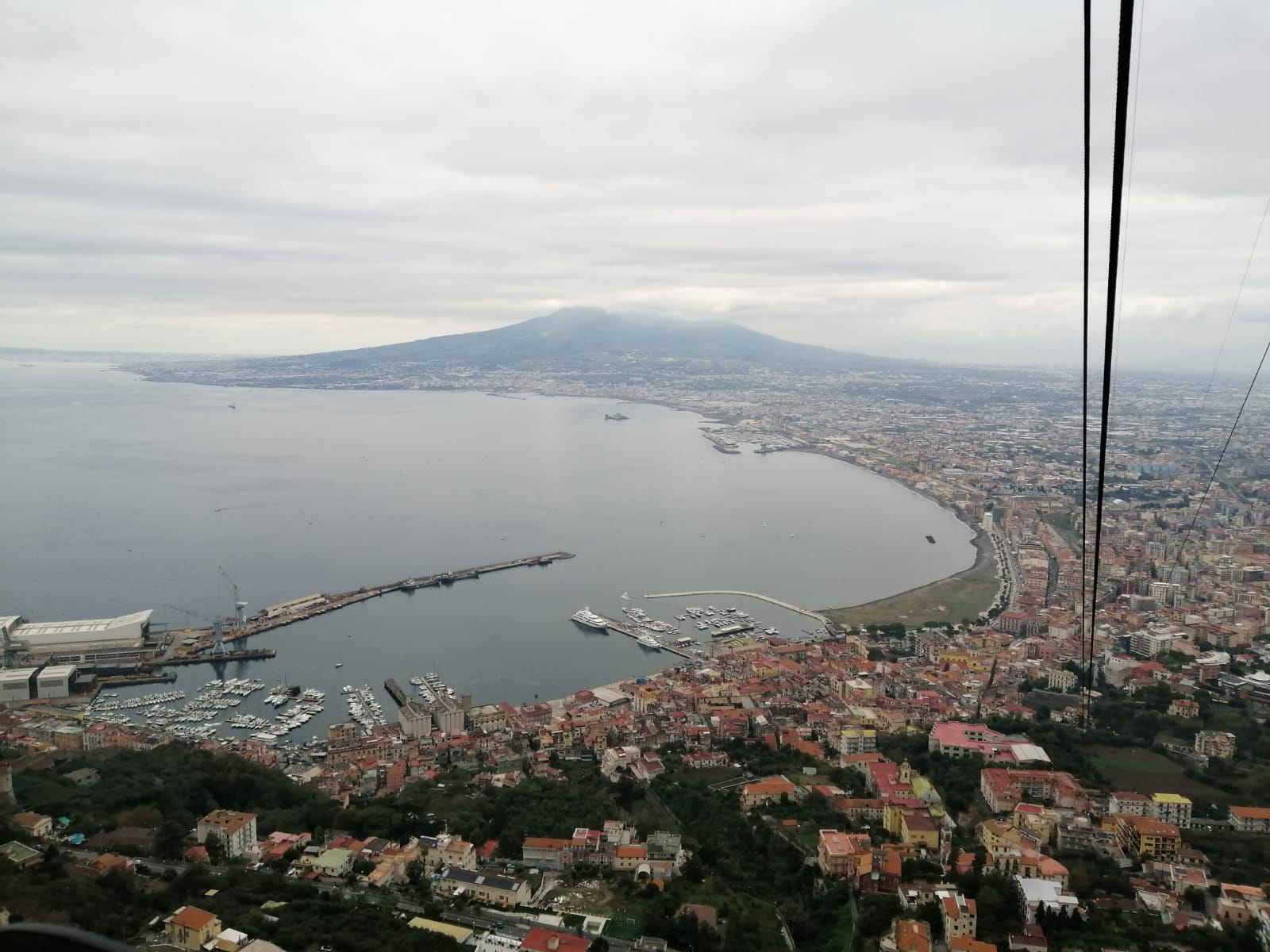
Next stop on the tourist trail was the following day where we ventured up to the top of Mount Vesuvius. Having lived here now for nearly 6 months, this omnipresent volcano has become a reassuring part of the landscape, looming over the Bay of Naples in it’s seemingly protective way. It had always been a shape in the distance, with it’s distinguished outline that can be recognised from miles around. So we thought it was time we went up it! Luckily, we took 4 wheels, rather than 2 for now. I’ve heard horror stories from people who have slogged up it’s steep, never ending gradients under their own steam on a bike. So I was keen to drive it before we attempted that particular challenge.
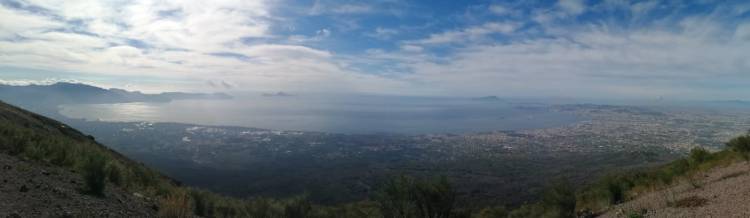
The road leaves the built up, suburban area of Ercolano and before you know it, winds it’s way up the slopes in a continuous series of wiggles and bends. We reached the point where vehicles must stop and park and then you get a shuttle bus up to the next point or can walk up the road. Due to having a time slot booked in advance, we got the bus and walked back down after. The bus drops you off at the end of the road where you enter through turnstiles and walk the 600 metres or so, up a steep dirt path to the crater. We were exceptionally lucky to have a beautifully sunny day, with a bright blue sky, so whilst a little fresh up there we were blessed with astonishing views.
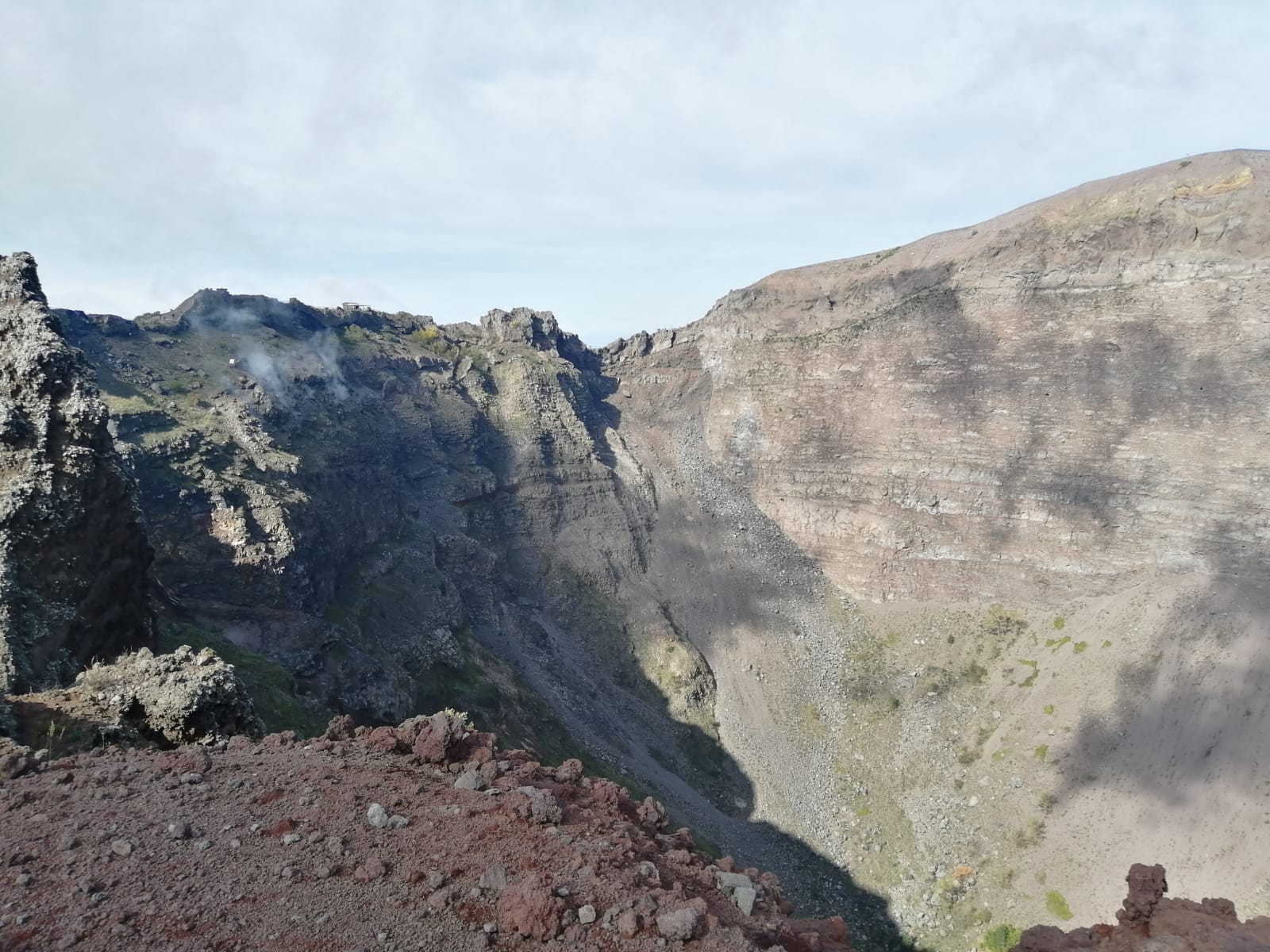
We had a brief guide from one of the National Park’s employees who told us how until 1944 when it last erupted, the volcano had an open chamber where the magma was visible from the crater rim. The pressure inside increased causing more and more magma to collect over time until it overflowed and lava flowed down the side of the volcano. Luckily very few people were killed due to the slow speed in which it travelled. The crater then became sealed so when you look inside there isn’t much to see apart from the pockets of billowing steam forcing it’s way out of the rock. However, the volcano is still very much active and when the pressure reaches a certain point inside the chamber it will erupt in a much more violent way than that of 1944. It was a rather poignant visit for me as my Grandpa was stationed in the shadow of Mount Vesuvius during the war and he remembers having to bat the ash off his tent. From the rim we looked for the spot where he was likely to have been based.
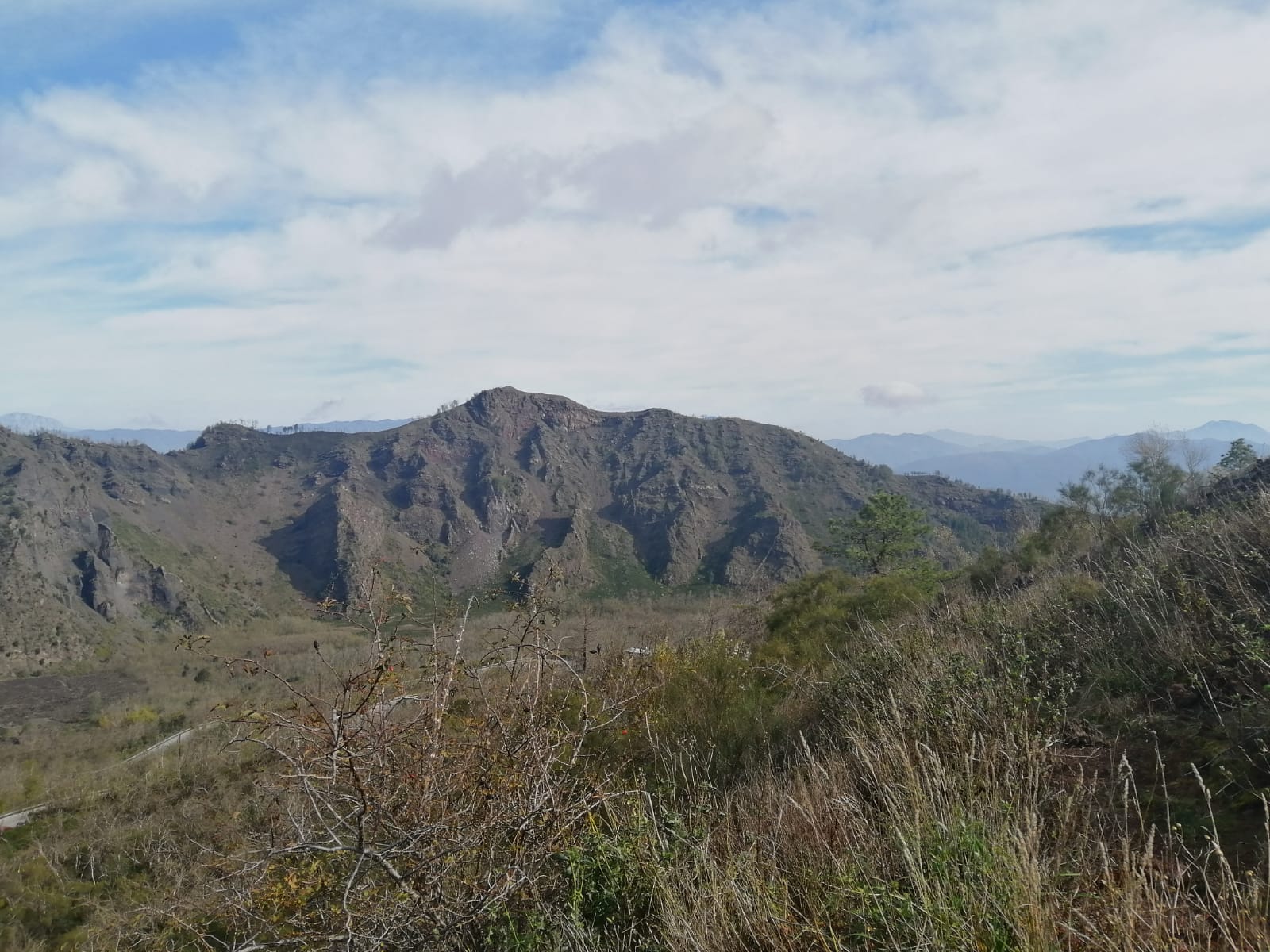
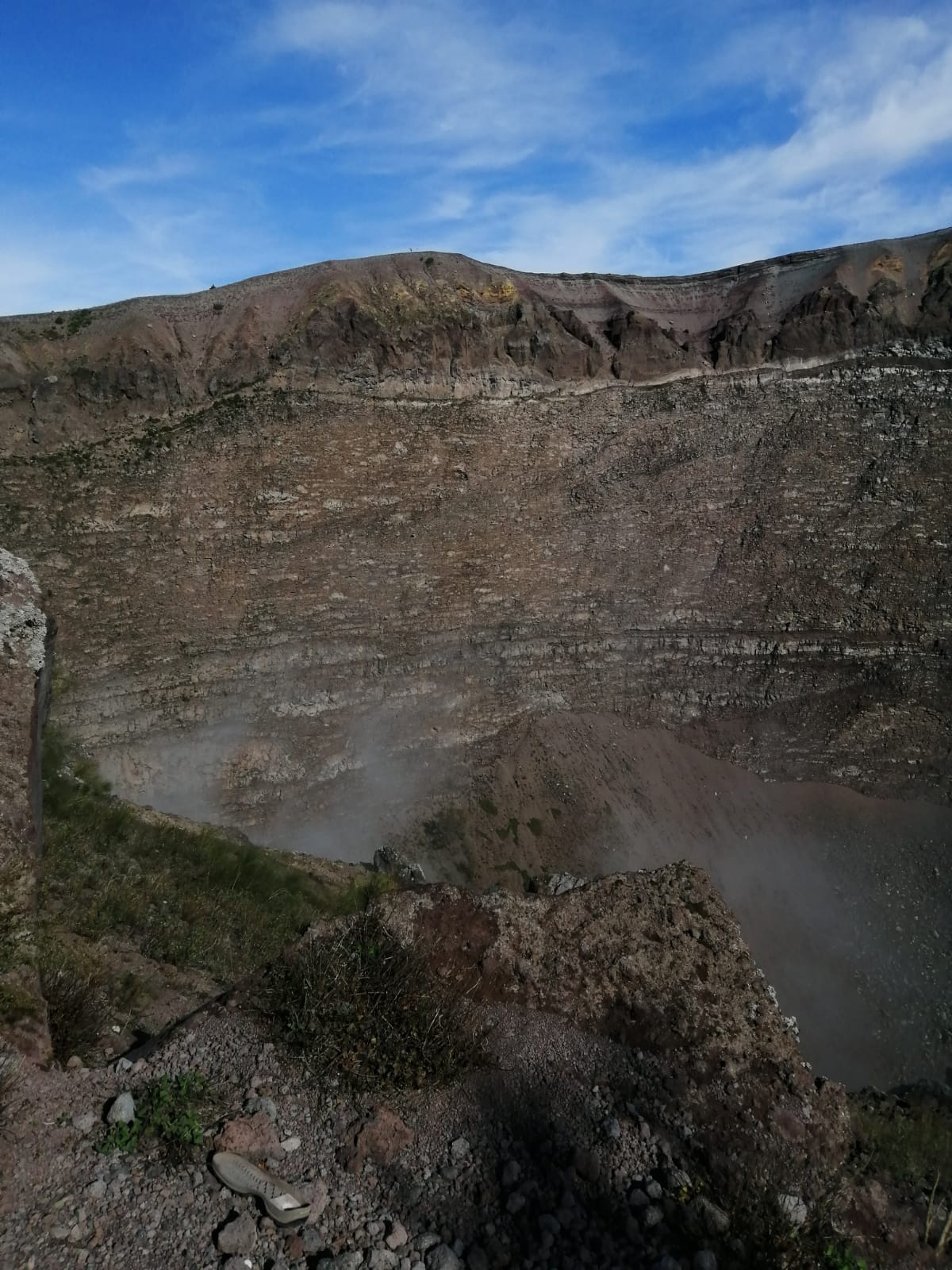
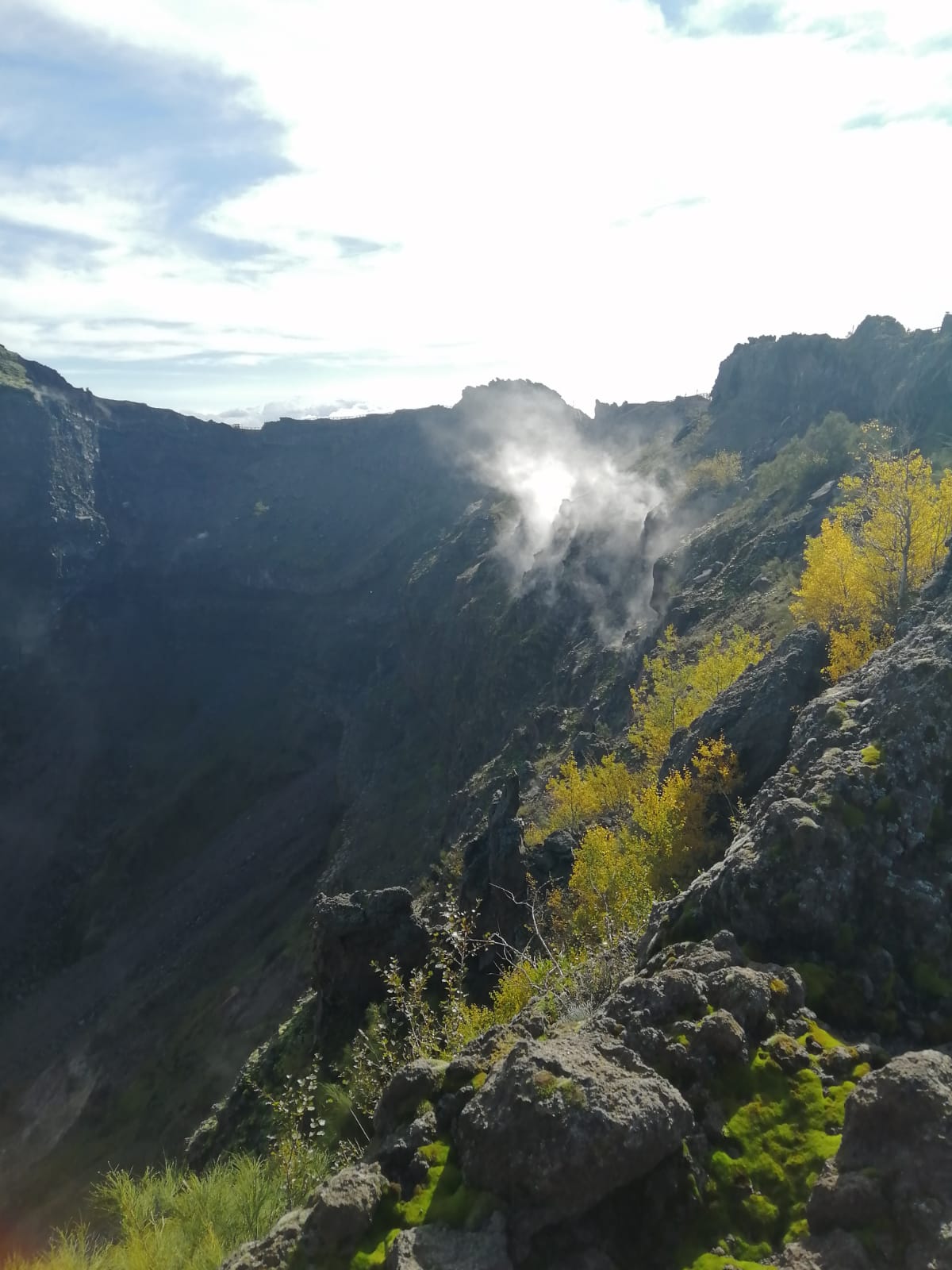
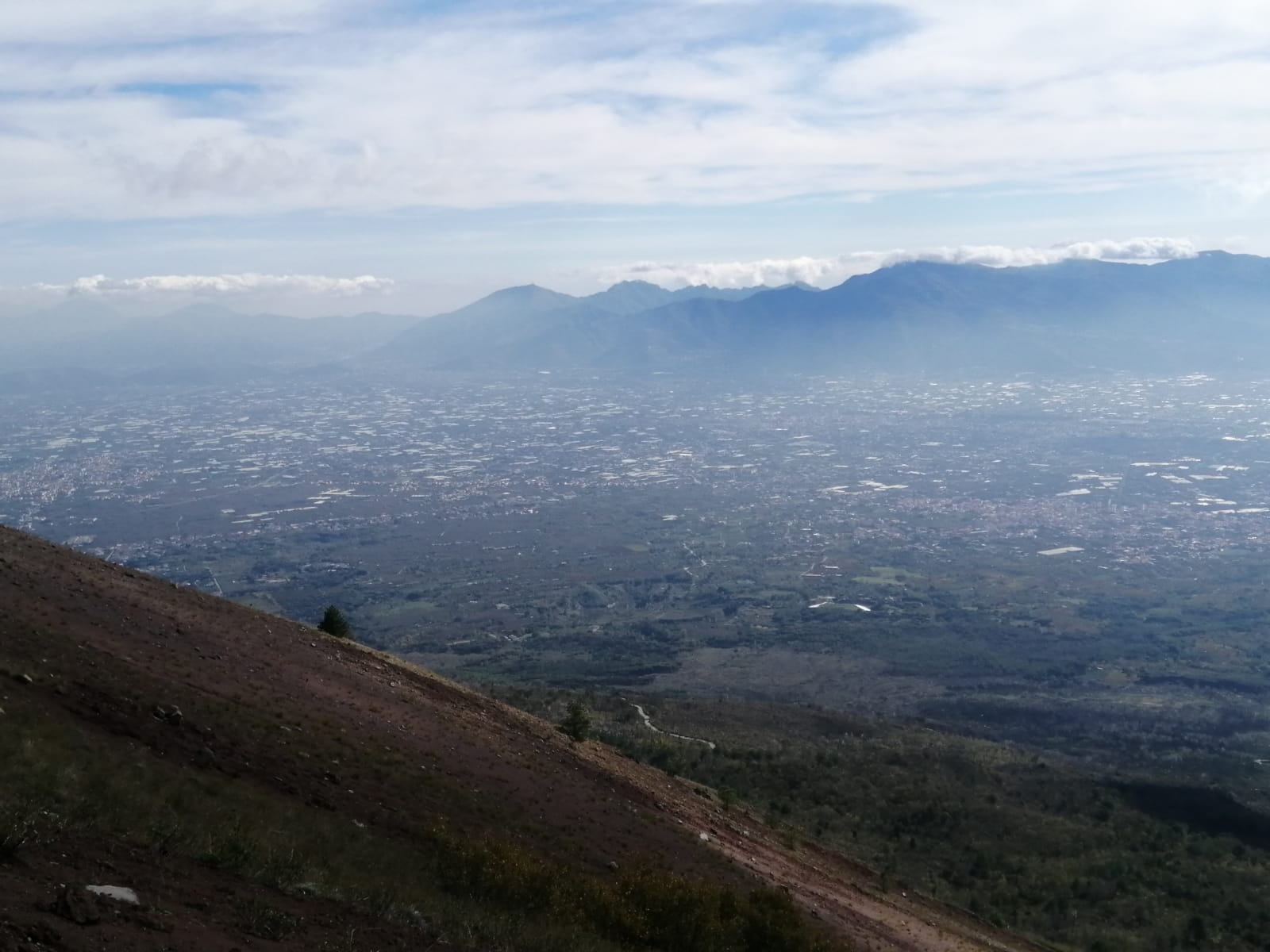
After partaking in a coffee up there, (I was quite astonished to find three wooden shacks offering hot drinks, postcards and bottles of wine or limoncello!) we walked back round the crater and down the way we’d come up.
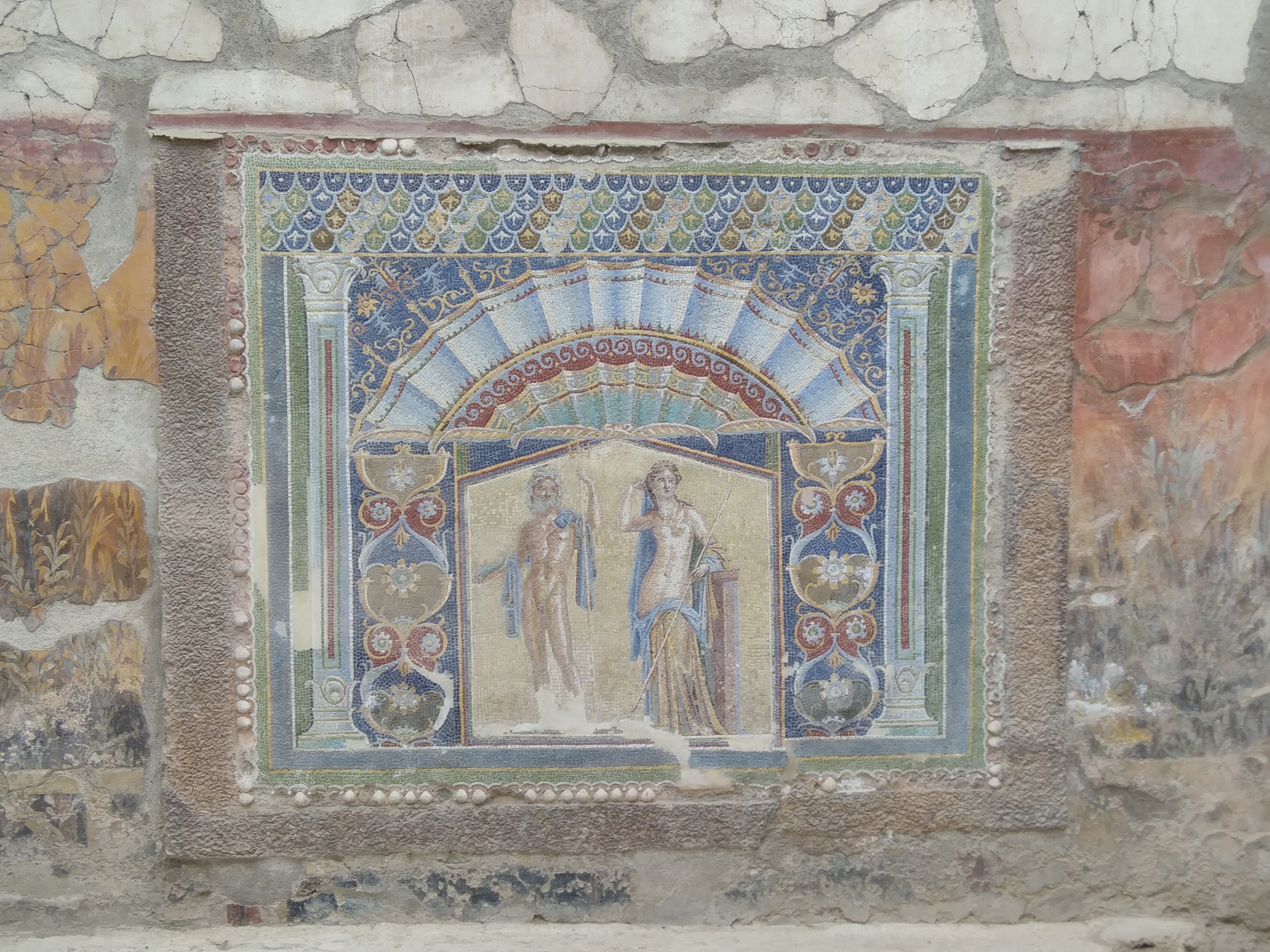
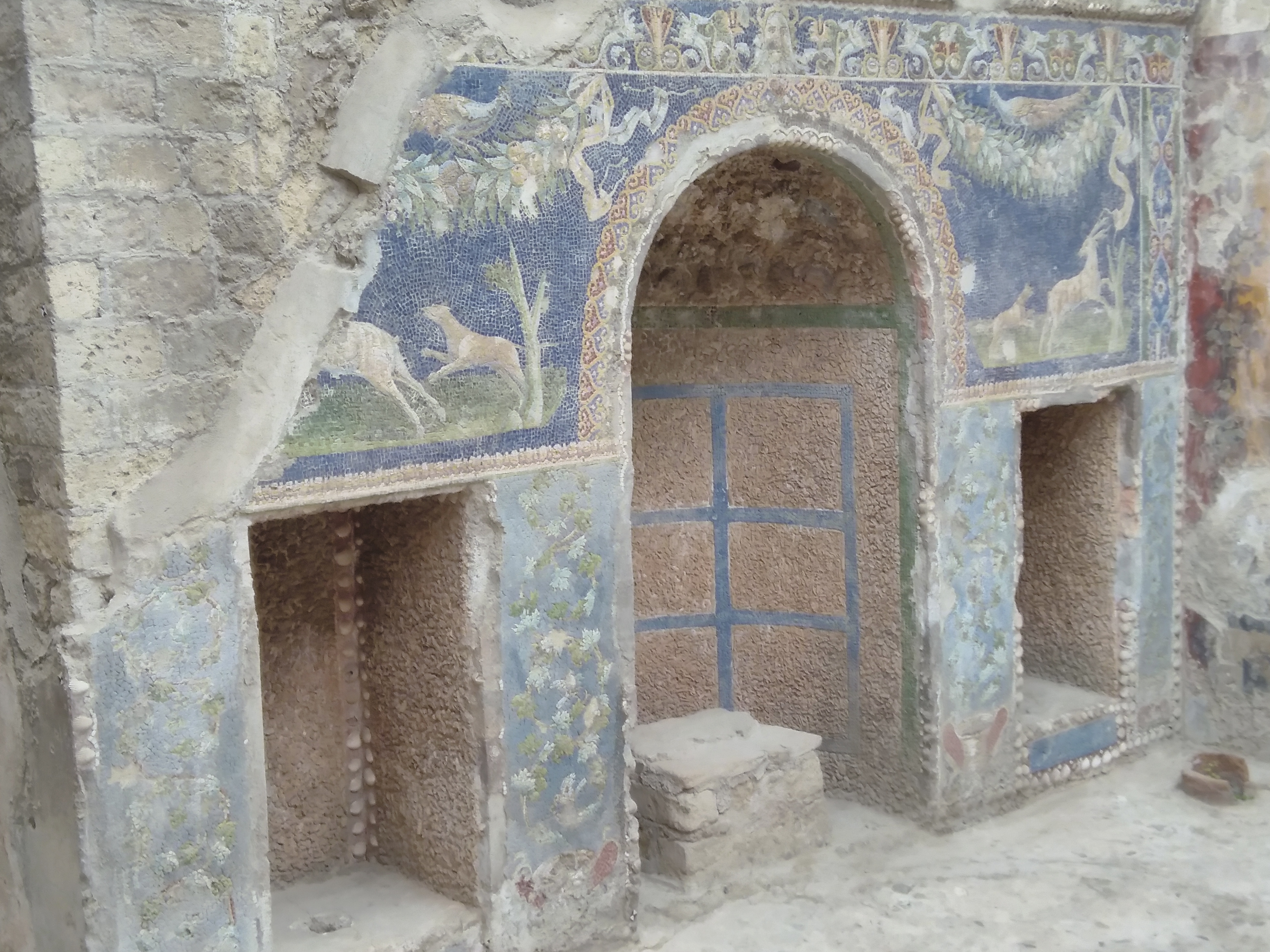
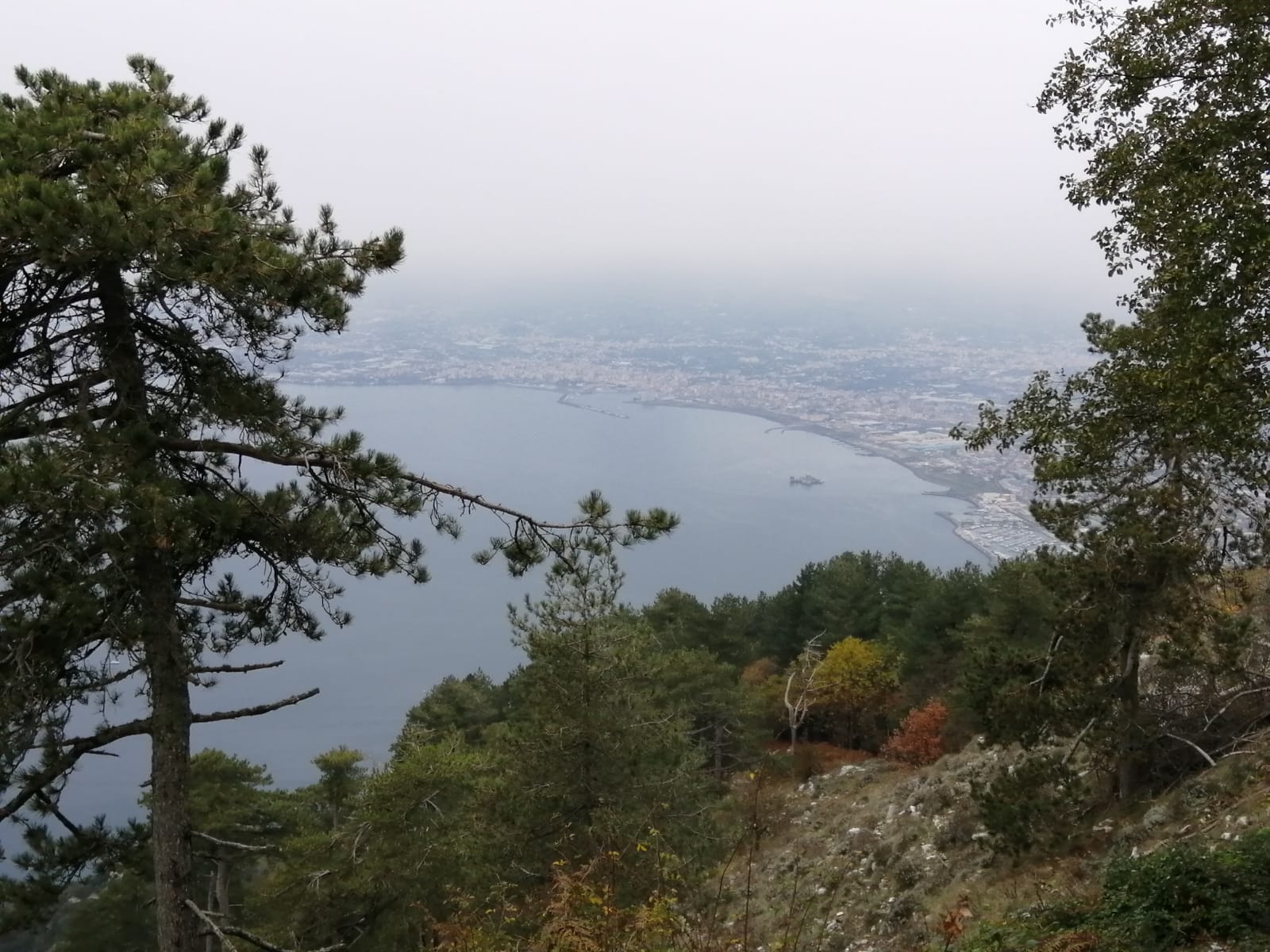
We were so pleased to have done both of these local attractions, not just because they were so fascinating but because they were also very quiet. We could stand in the House of Neptune and Amphitrite in Herculaneum, all by ourselves and marvel at the sunlight bouncing off the beautiful mosaics that adorned the walls. We could walk the smooth flagstones of the main streets and let our minds drift to those that have trod the same path centuries before. We were lucky enough to stand on the south side of the Vesuvius rim and enjoy the miles and miles of vista in all directions. From the impressive Sorrento peninsula on one side, right across the Bay of Naples to the Bacoli peninsula and the distant Aurunci mountains on the other. We could drink it all in, uninterrupted and take a moment to reflect on how fortunate we are to experience these places. Luckily, they’re not going anywhere, as lockdown 2.0 has begun and our tourist adventure will have to be put on hold for now.
 Brand New Day